
PRP therapy is the focus of this comprehensive guide. Below, we cover everything you need to know about PRP therapy — from foundational concepts to practical considerations.
Introduction to Platelet-Rich Plasma (PRP) therapy
Platelet-Rich Plasma (PRP) therapy is a groundbreaking cosmetic procedure that has garnered attention for its potential to rejuvenate the skin, reduce signs of aging, and heal scars. Platelet-Rich Plasma (PRP) therapy, often referred to as the “vampire facial,” it utilizes the patient’s own blood to stimulate skin renewal. In this comprehensive guide, we’ll delve into the nuts and bolts of Platelet-Rich Plasma (PRP) therapy facials, exploring the science behind the treatment, the procedure itself, its benefits, potential risks, and much more.What is Platelet-Rich Plasma (PRP) therapy Therapy?
Platelet-Rich Plasma (PRP) therapy is a form of regenerative medicine that uses the healing power of your own blood to promote skin health. By isolating the plasma rich in platelets, the treatment injects this concentrate into the skin, encouraging cellular growth and repair.The Science Behind Platelet-Rich Plasma (PRP) therapy
- How PRP Works: Platelets are blood components that help in healing and growth. When concentrated and applied to the skin, they release growth factors that trigger cell reproduction and stimulate tissue regeneration.
- Benefits of PRP: This natural approach can enhance skin texture, tone, and elasticity, reduce wrinkles, and mitigate the appearance of scars.
The Platelet-Rich Plasma (PRP) therapy Facial Process
- Preparation: The process begins with a simple blood draw from the arm, similar to a routine blood test.
- The Procedure: The blood is then placed in a centrifuge to separate the platelets. The PRP is applied to the skin, often after microdermabrasion or microneedling, to facilitate deeper penetration.
- Aftercare: Post-treatment, patients might experience redness or sensitivity, but these are typically mild and short-lived.
Benefits of Platelet-Rich Plasma (PRP) therapy Facial
Platelet-Rich Plasma (PRP) therapy facials can significantly improve the skin’s appearance by targeting:- Skin Rejuvenation: Enhancing overall skin brightness and firmness.
- Acne Scars: Reducing the visibility of scars and marks.
- Wrinkles and Fine Lines: Smoothing the skin to reduce signs of aging.
Potential Side Effects and Risks
While Platelet-Rich Plasma (PRP) therapy facials are generally safe, they are not devoid of risks. Common side effects include temporary redness, swelling, and bruising. Choosing a qualified practitioner and discussing your medical history can minimize complications.Comparing Platelet-Rich Plasma (PRP) therapy Facial to Other Treatments
Platelet-Rich Plasma (PRP) therapy facials offer a natural alternative to chemical treatments and lasers, providing a less invasive option with minimal downtime.Who Should Consider a Platelet-Rich Plasma (PRP) therapy Facial?
Individuals seeking to improve their skin texture and appearance without synthetic fillers or chemicals may find PRP facials an attractive option.Cost and Accessibility
The cost of Platelet-Rich Plasma (PRP) therapy facials varies by location and practitioner, but it’s an investment in your skin’s health with long-lasting benefits.Patient Testimonials and Success Stories
Many patients report significant improvements in their skin’s appearance and texture, with results becoming more noticeable over time.Summary
The PRP (Platelet-Rich Plasma) facial is renowned for utilizing the body’s own regenerative properties to rejuvenate the skin. This natural procedure concentrates the healing powers of your own plasma to encourage cell turnover, improve skin texture, and restore a youthful glow. While it’s an innovative approach to skincare, it’s important to consult with a professional to determine if it’s right for your specific needs. Patients who have experienced the PRP facial frequently attest to its remarkable benefits and the visible improvement in their skin’s health. If you’re intrigued by the potential of PRP facials and wish to explore whether this treatment is the right fit for you, we encourage you to visit Healing Skin. Their team of experts is ready to guide you through the process and help you unlock the natural beauty of your skin with this advanced skincare technique.FAQs
-
1. What is the downtime after a Platelet-Rich Plasma (PRP) therapy facial?
The downtime following a PRP facial is minimal. Most patients experience mild redness, swelling, or bruising that resolves within a few days. Unlike more invasive procedures, you can return to your daily activities relatively quickly, although it’s advisable to avoid direct sunlight and rigorous exercise for the first 24-48 hours.
-
2. How many sessions are needed to see results from a PRP facial?
The number of sessions required can vary depending on individual goals and the condition of the skin. Generally, a series of 3-4 treatments spaced about 4-6 weeks apart is recommended for optimal results. After the initial series, maintenance sessions every 6-12 months can help preserve the benefits.
-
3. Is a Platelet-Rich Plasma (PRP) therapy facial painful?
The discomfort level during a Platelet-Rich Plasma (PRP) therapy facial is generally low. The procedure may involve microneedling, which can cause mild pain. However, topical anesthetics are applied to minimize discomfort. Most patients describe the sensation as a light prickling.
-
4. Can a Platelet-Rich Plasma (PRP) therapy facial be combined with other treatments?
Yes, PRP facials can be safely combined with other cosmetic treatments for enhanced results. Common combinations include laser therapy, microdermabrasion, and chemical peels. Combining treatments can address various skin concerns simultaneously, but it’s essential to consult with a skincare professional to determine the best treatment plan for your skin type and concerns.
-
5. How long do the results of a Platelet-Rich Plasma (PRP) therapy facial last?
The results of a PRP facial can vary but typically last for about 12 to 18 months. Factors such as skin condition, age, lifestyle, and follow-up care can influence the longevity of the results. To maintain the benefits, patients may opt for periodic touch-up treatments. Remember, while PRP facials offer promising results for skin rejuvenation, individual outcomes can vary. It’s crucial to have a thorough consultation with a qualified practitioner to understand the procedure, potential risks, and realistic expectations.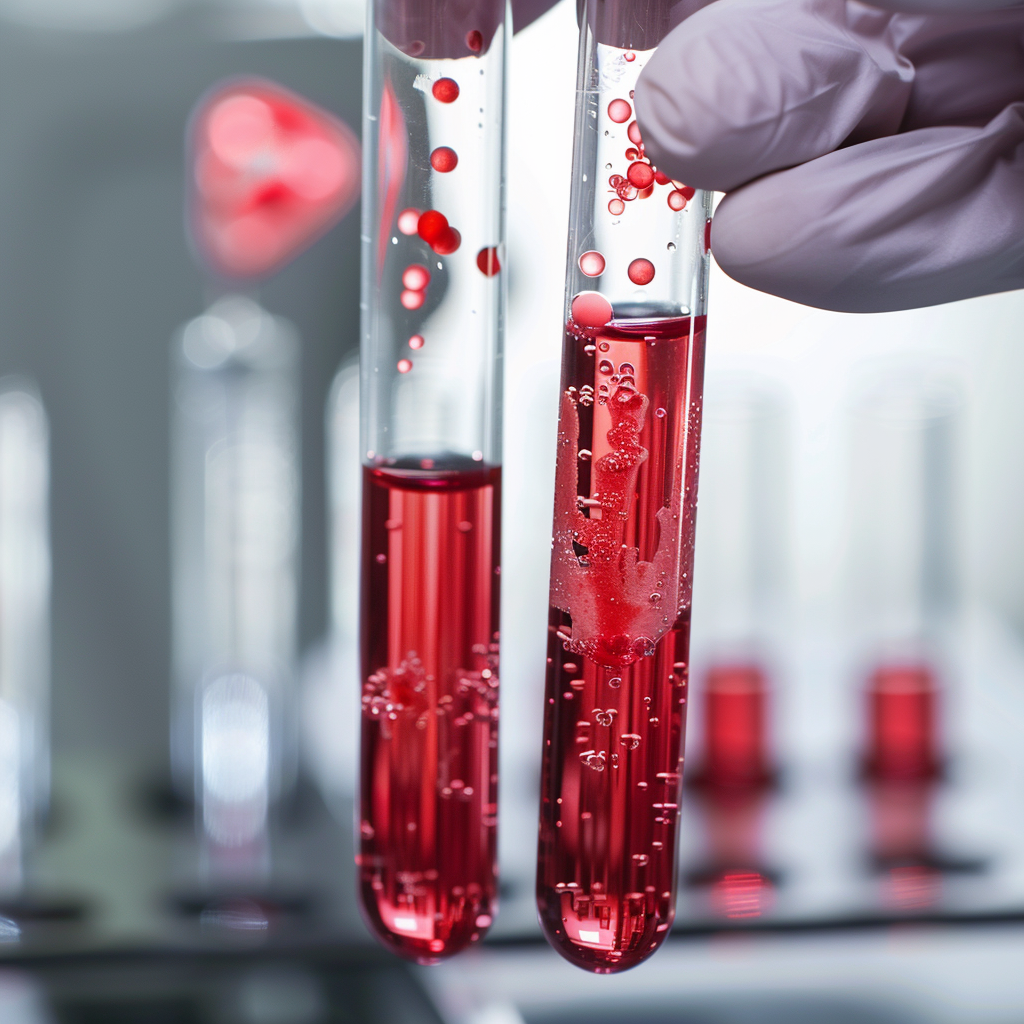
Platelet-Rich Plasma (PRP) – A vital component for regenerative medical treatments.
What Is PRP Therapy?
PRP therapy (Platelet-Rich Plasma) uses a concentrated portion of your own blood to deliver growth factors to targeted tissues. The process starts with a standard blood draw, followed by centrifugation to separate platelet-rich plasma from other blood components. The resulting PRP therapy solution is then applied topically or via microneedling for skin rejuvenation.
PRP Therapy Benefits for Skin Rejuvenation
Regular PRP therapy sessions produce measurable improvements in skin quality: increased collagen production, softer fine lines, improved texture, reduced scarring, and enhanced brightness. Because PRP therapy uses your own biological material, there’s essentially zero risk of allergic reaction.
Combining PRP Therapy with Microneedling
PRP Therapy is a topic this guide covers in depth. For maximum results, PRP therapy is often combined with microneedling (collagen induction therapy). The micro-channels created by microneedling allow direct absorption of growth factors, compounding the collagen response. For full service details, visit our PRP facial page.
Is PRP Therapy Right for You?
Most healthy adults are good PRP therapy candidates. Contraindications include blood disorders, active infections, certain autoimmune conditions, and pregnancy. For research on platelet-rich plasma, the American Academy of Dermatology publishes peer-reviewed resources.