

Paramedical aesthetics · Kissimmee, Florida
Where medicinemeets artistry.
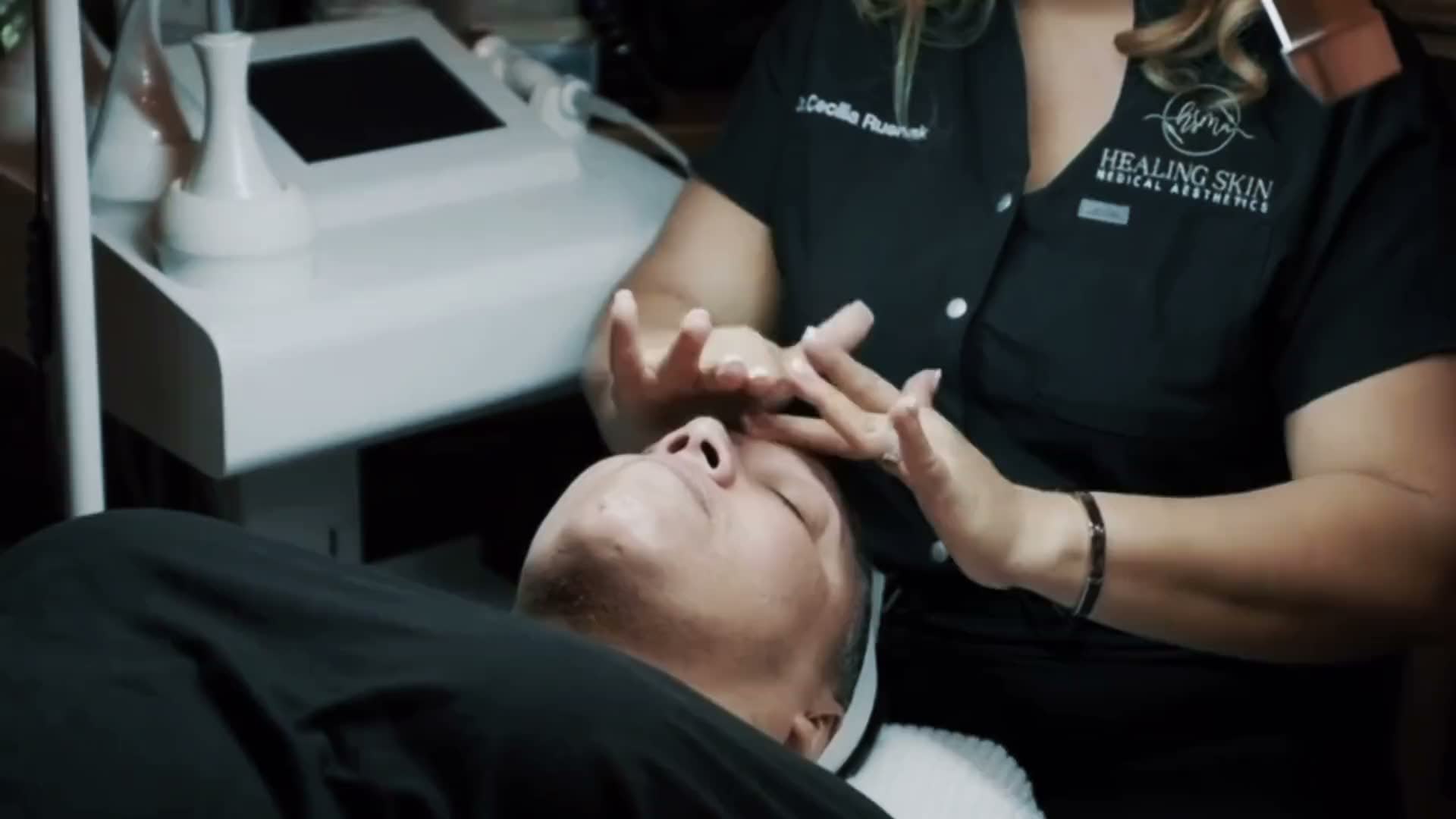
Restoration as a return to yourself. Paramedical tattooing, clinical skin care and recovery, led by Dr. Cecilia Rusnak for thirty-two years.
For patients completing a journey. Paramedical work where the outcome carries weight beyond aesthetics, performed with the discretion it deserves.
Restoration
Three restorations, one standard.
Paramedical pigment work for skin changed by mastectomy, surgery, trauma or pregnancy. Staged, matched to your skin and judged by how it looks a year later.
The 3D areola restoration
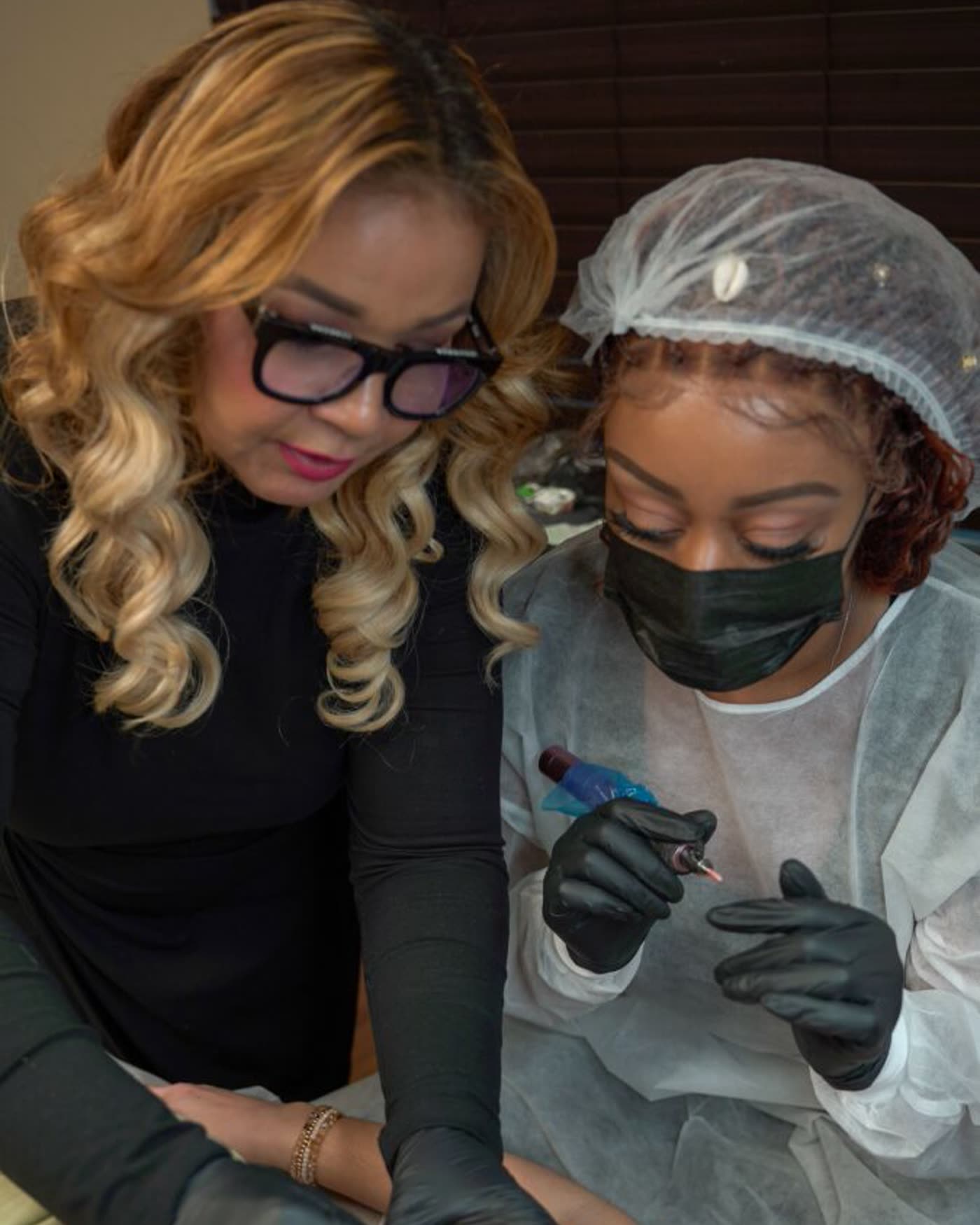
For patients completing breast reconstruction. A dimensional paramedical procedure that restores the nipple-areola complex through colour, light and shadow.
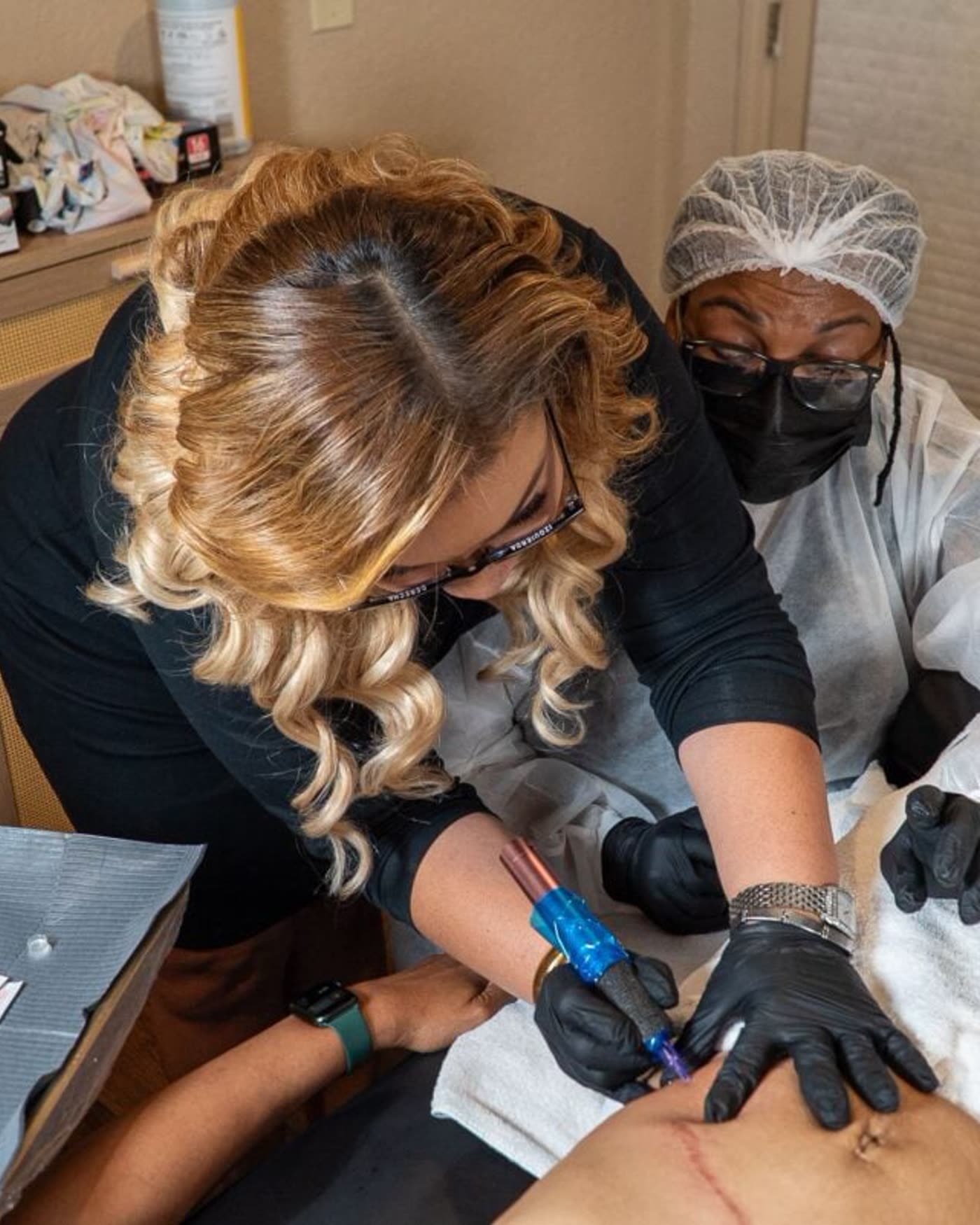
Scar camouflage
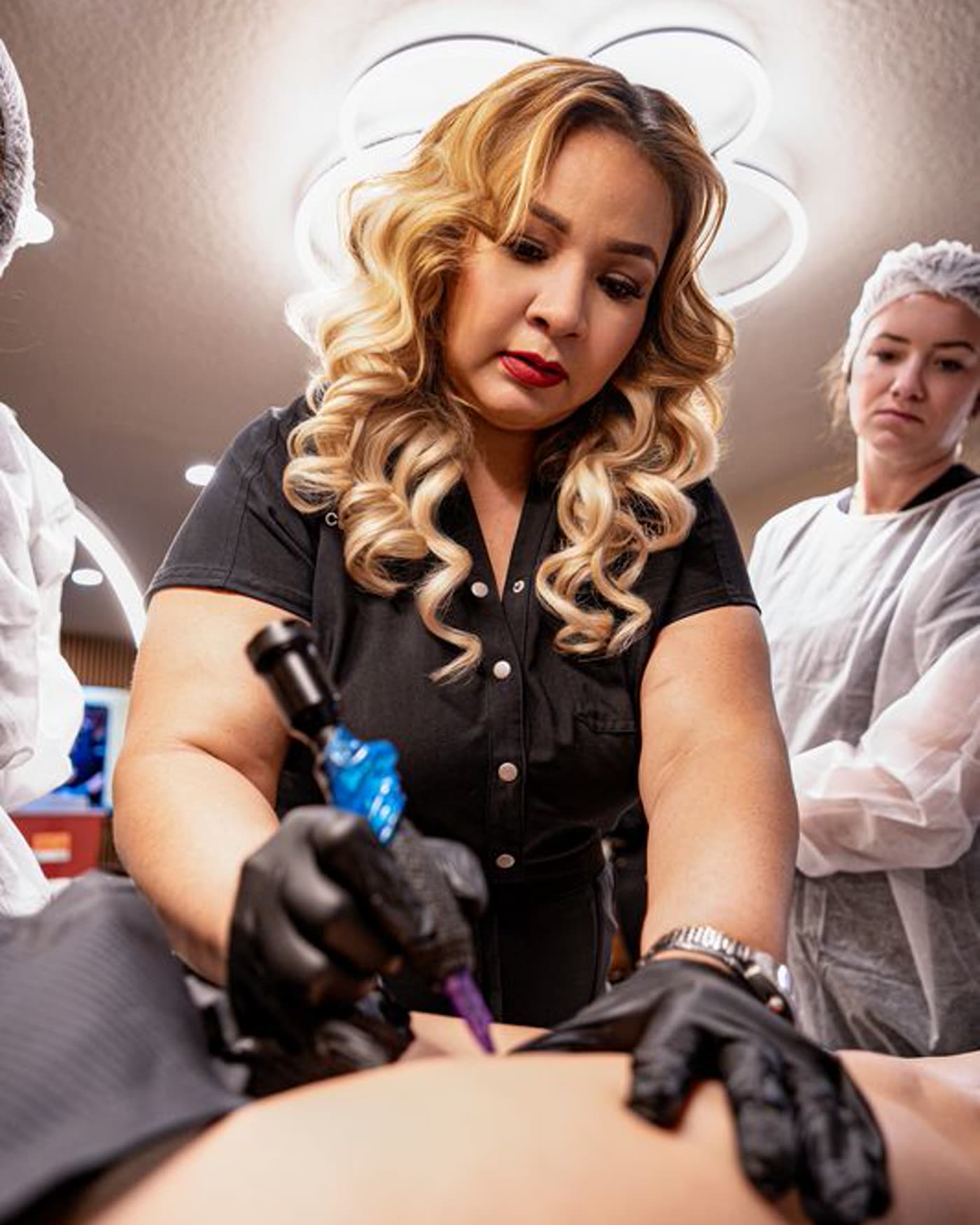
Surgical, trauma and burn scars rendered visually quiet, blended into the surrounding skin with colour-matched paramedical pigment.
Stretch mark camouflage
Pregnancy and weight-change stretch marks softened into the skin’s natural tone. Restraint over erasure.
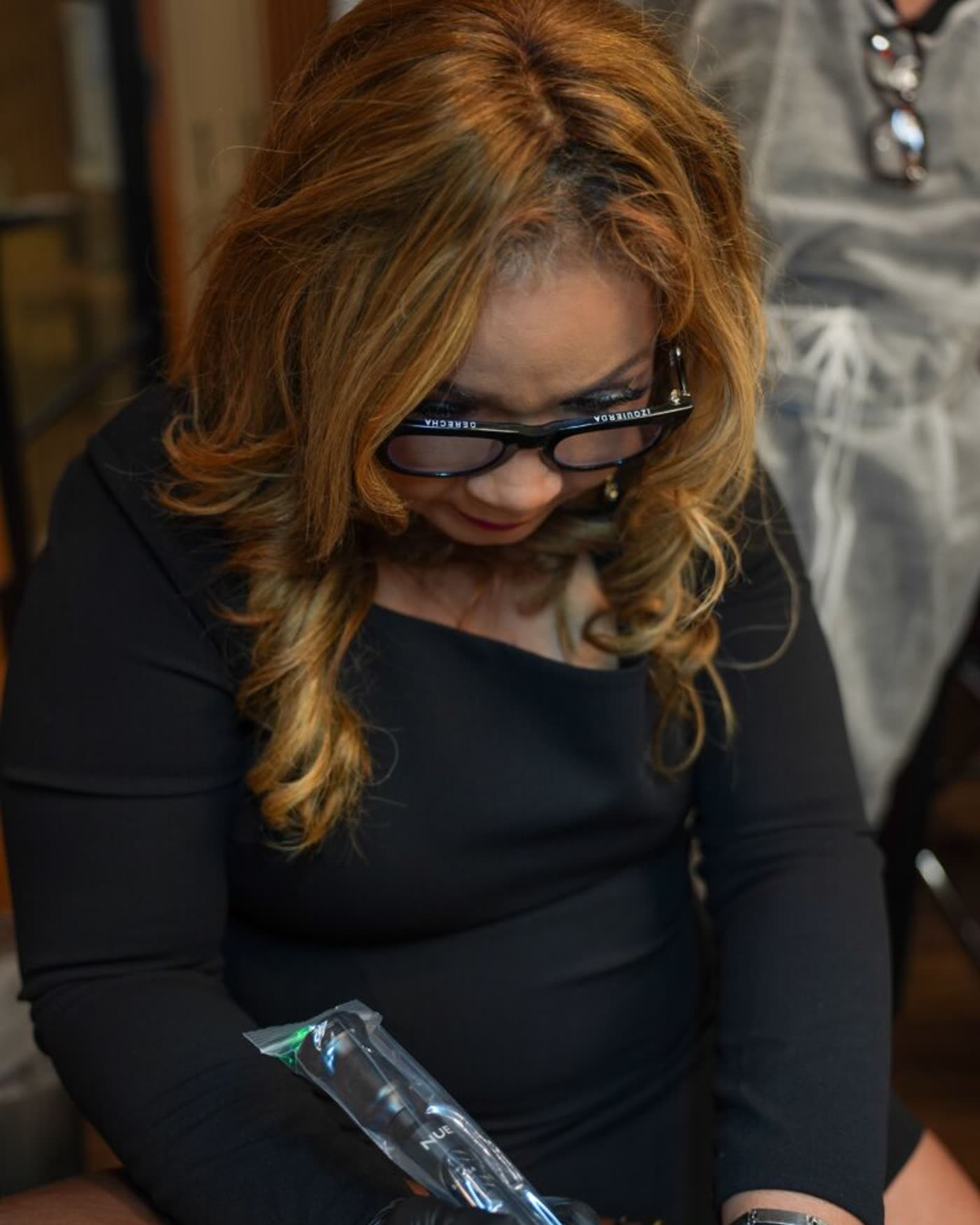
Advanced ISR, inkless
Clinical scar revision without pigment, for newer scars not yet ready for camouflage or when texture is the primary concern.
Individual results vary. Paramedical work reduces the visual contrast of scars, stretch marks and areola loss; it does not erase permanent tissue change. The number of sessions differs by case.
A clinic, not a studio
What a paramedical clinic gives you.
The same tool, a different discipline. How restorative work at Healing Skin differs from a tattoo studio or a med spa.
The right-hand column describes Healing Skin’s own published approach. The left-hand column describes a common format in general terms, not any named provider.
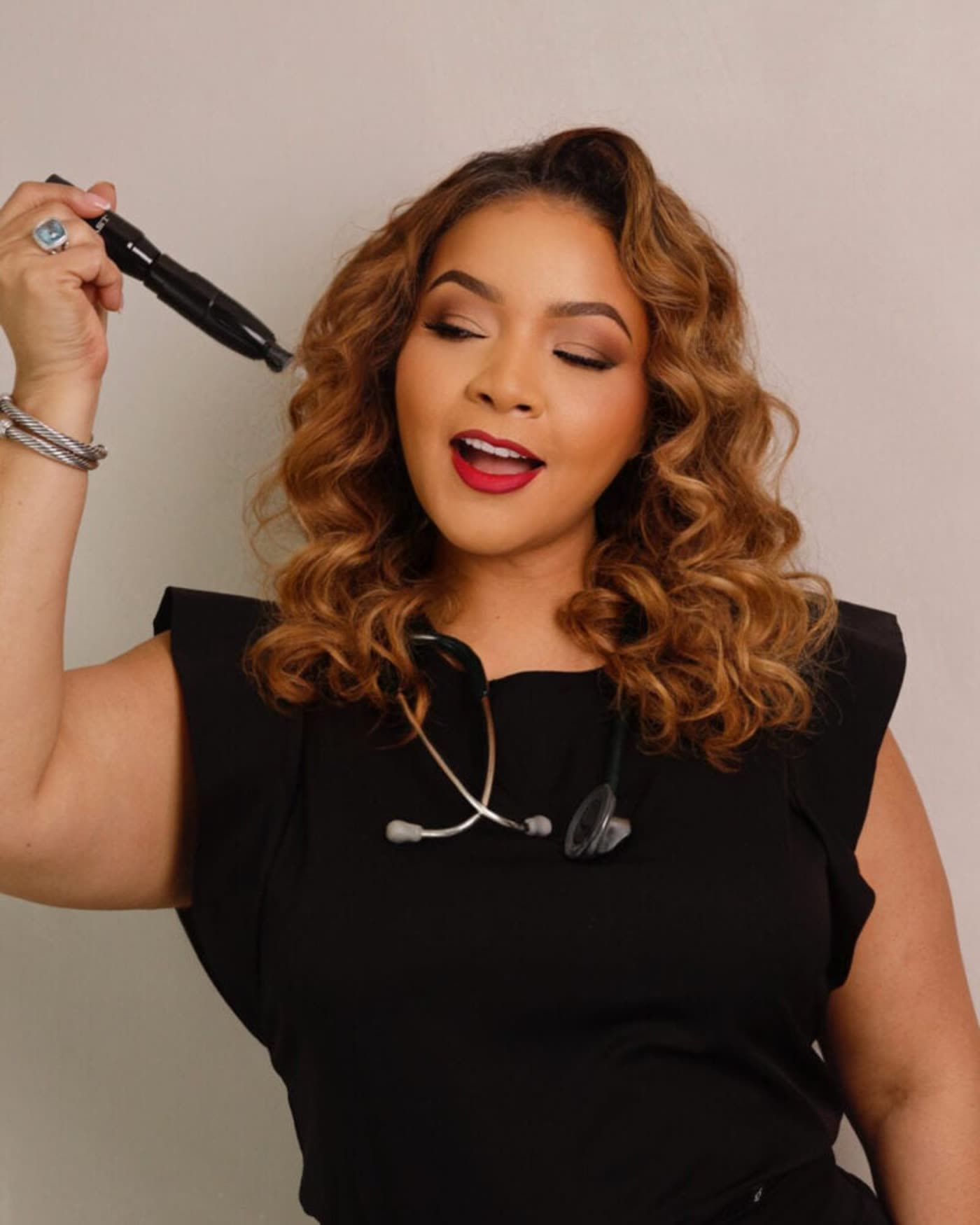
Founder · Medical director
Dr. Cecilia Rusnak.
Three decades of paramedical aesthetic practice. Educator to practitioners across the country. A doctor who refuses to call this work cosmetic, because for her patients, it is not.
- Associate degree in paramedical aesthetics, Florida College of Natural Health
- Doctor of Acupuncture, Pacific College of Health and Science
- Collaborates with plastic surgeons and cancer foundations
- Teaches every credential at Dr. Rusnak Academy
The treatment room
Private. Unhurried.
Consultations are scheduled with time. Treatments are scheduled with time. The work is emotionally significant, and the clinic is built around that: no pressure, no upsells, no salesmanship.
Four areas of care
What we do.
Choose an area to see what it covers.
Paramedical work, not cosmetic.
For patients whose bodies have been changed by surgery, injury or pregnancy. Every case begins with a 45-minute assessment and a realistic plan.
- 3D areola restoration after mastectomy
- Scar and stretch mark camouflage
- Brazilian and inkless methods
- Documentation for reimbursement claims
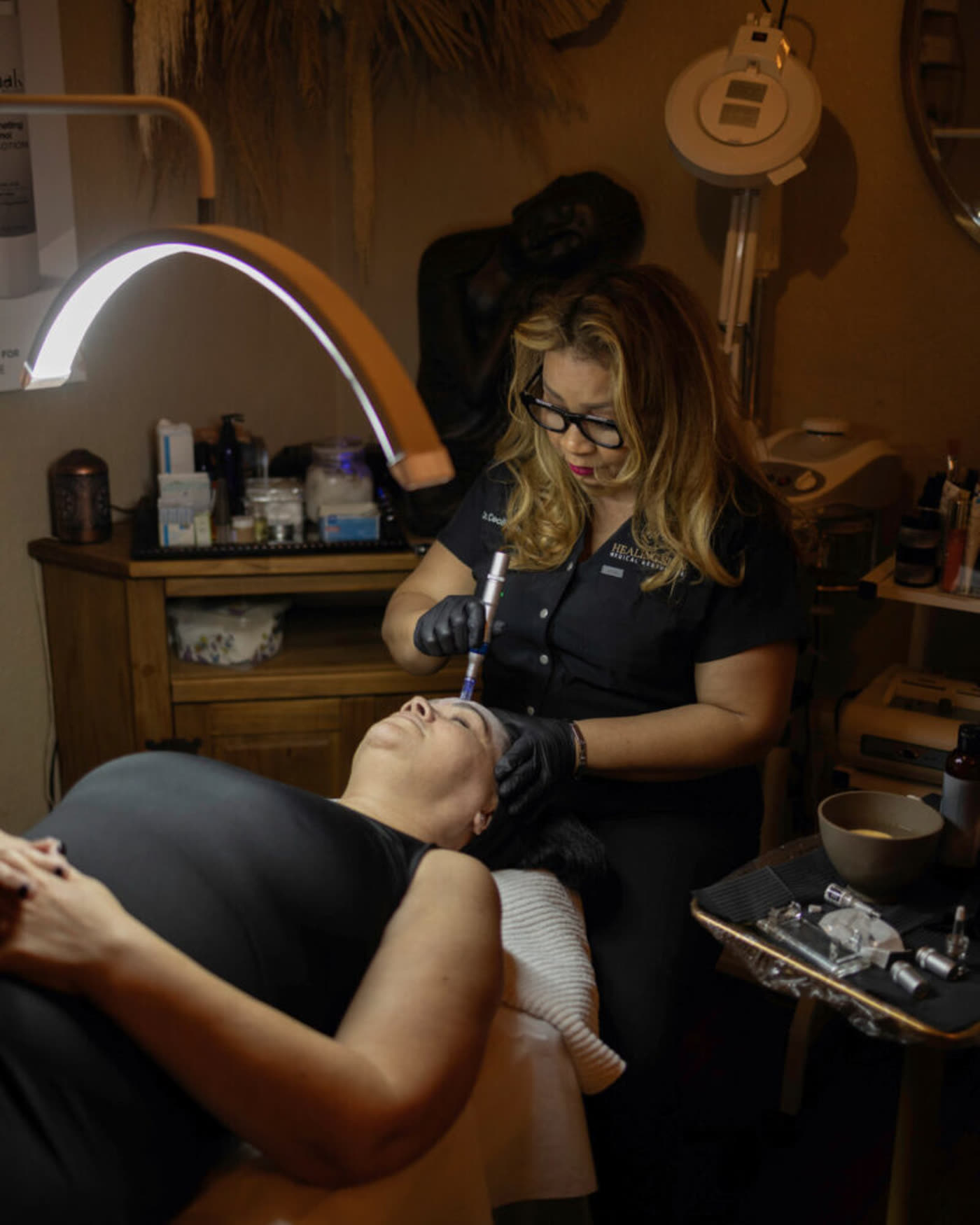
Considered aesthetic care.
Treatments for skin texture, tone and signs of time, held to the same clinical standard as the restoration work.
- Powder Botox, an injection-free treatment
- Medical and oncology-safe facials
- PRP, glycolic, LED, microdermabrasion
- Medical-grade skincare protocols
Body Goals and recovery.
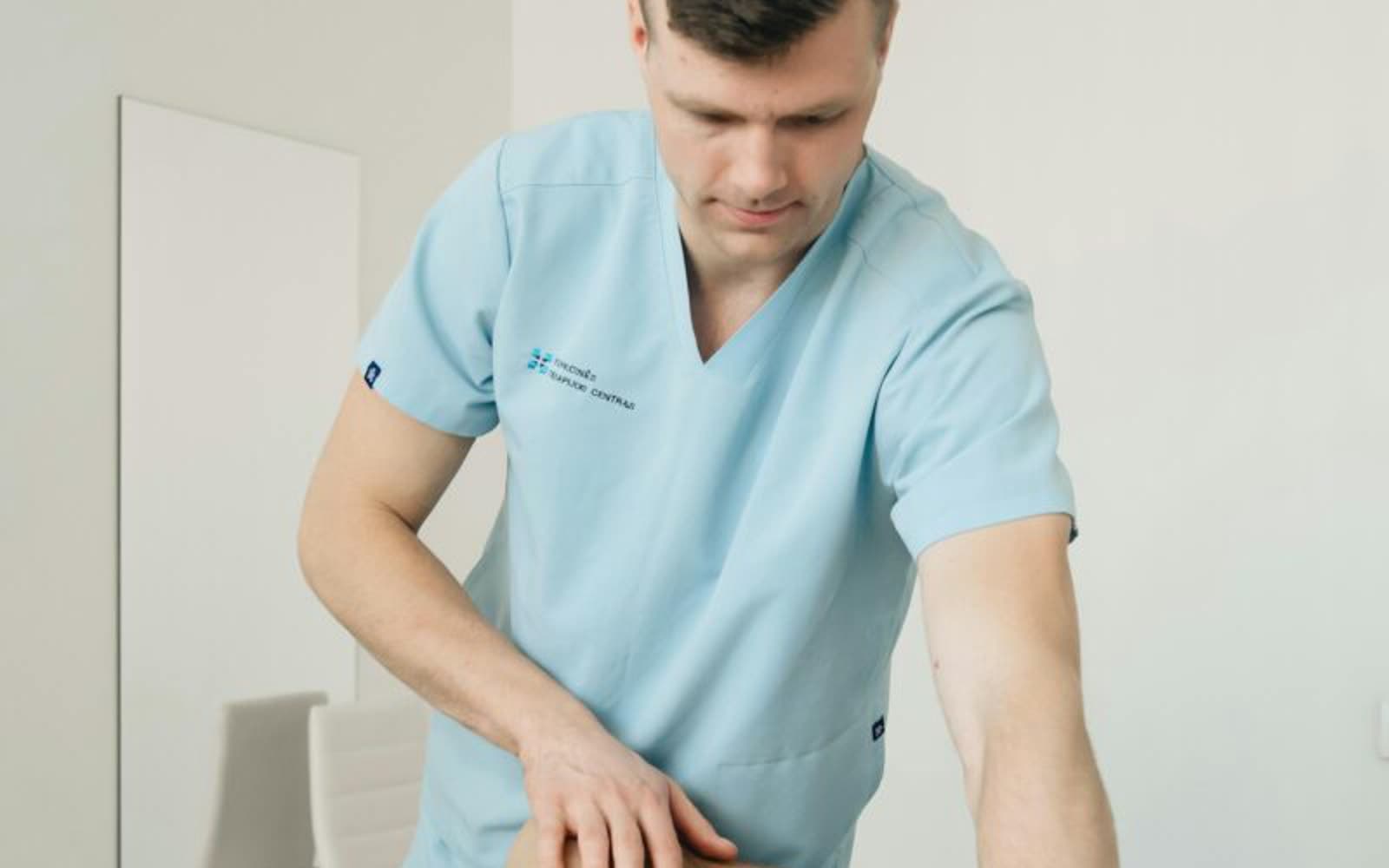
Medically guided body contouring, skin tightening and lymphatic health, with therapeutic and post-surgical massage.
- Cavitation, radiofrequency and contouring
- Post-surgical lymphatic drainage
- Deep tissue and therapeutic massage
- Integrative pain relief with AcuMedGroup
Care for veterans.
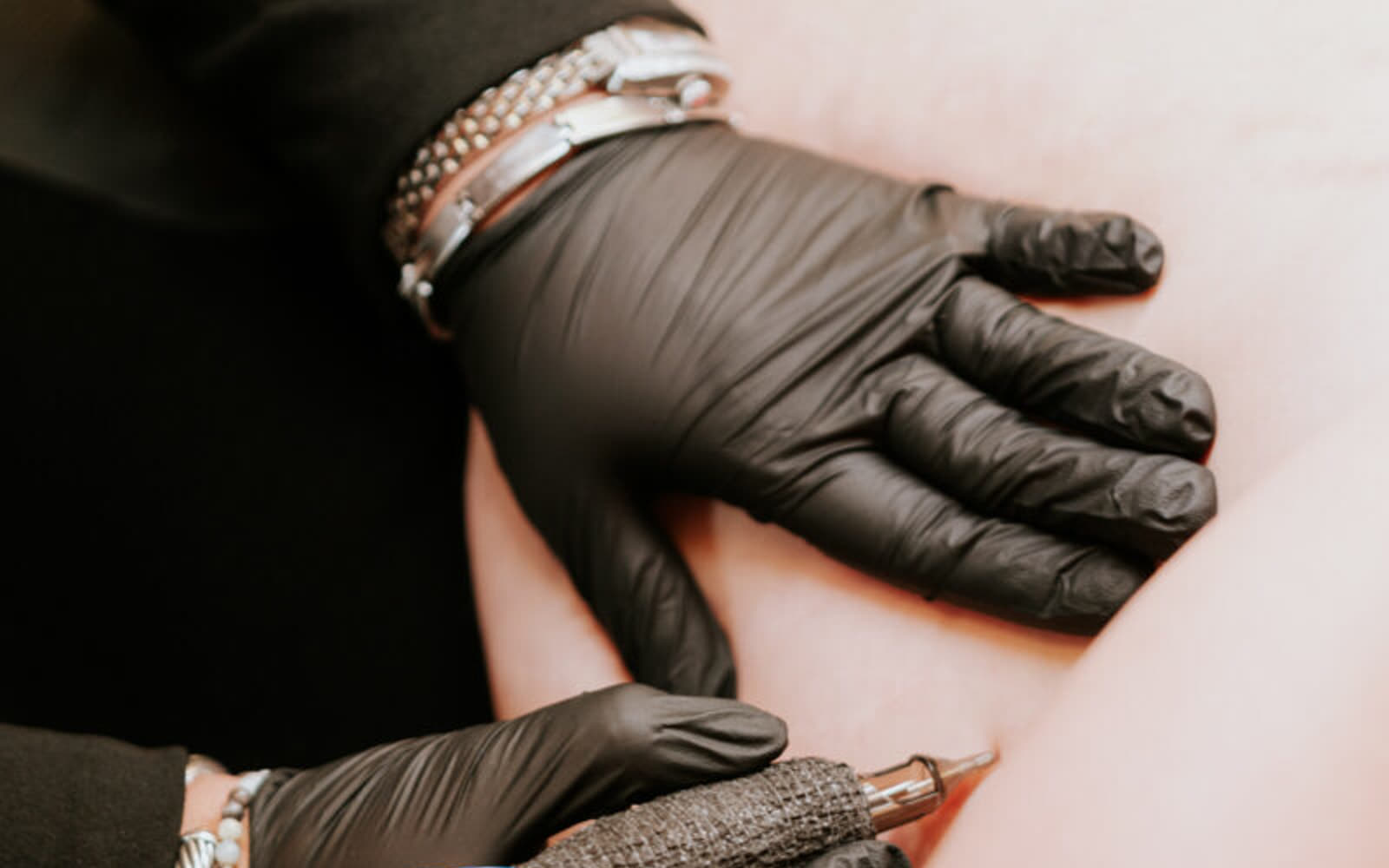
Dr. Rusnak has served as a VA Community Care provider since 2015 through AcuMedGroup, her acupuncture practice: scar revision after surgical or combat injury, pain management and non-opioid alternatives.
- Scar camouflage and revision
- Acupuncture and pain management through AcuMedGroup
- Coordination with your VA care team
The consultation
What a consultation is like.
A private appointment of about 45 minutes. No procedure at this visit, no fee for established reconstruction patients, and a written plan you can think over.
Step 1Medical history
Medications, allergies, recent surgeries, cancer treatment history, pregnancy. Some histories call for a modified protocol; a few rule the procedure out.
Step 2Tissue examination
Scar maturity, texture, colour, depth and the surrounding skin. Most scars need twelve months of healing before camouflage.
Step 3Colour matching
Fitzpatrick assessment under calibrated daylight lighting, with trial swatches against the target area.
Step 4The honest conversation
What six to twelve months after completion will realistically look like, including the limits.
Step 5A written plan
Session count, intervals, cost, aftercare and follow-up, with consent that acknowledges realistic expectations.
“After the mastectomy I avoided every mirror for a year. Dr. Rusnak gave me back something I didn’t know I’d lost.”
Patient · Orlando · Areola restoration · 2024Individual results vary. Testimonials reflect one patient’s experience and are not a guarantee of outcome. The number of sessions differs by case.
Aesthetics
Considered aesthetic care.
Treatments for skin texture, tone and signs of time, held to the same clinical standard as our restoration work.
Powder Botox
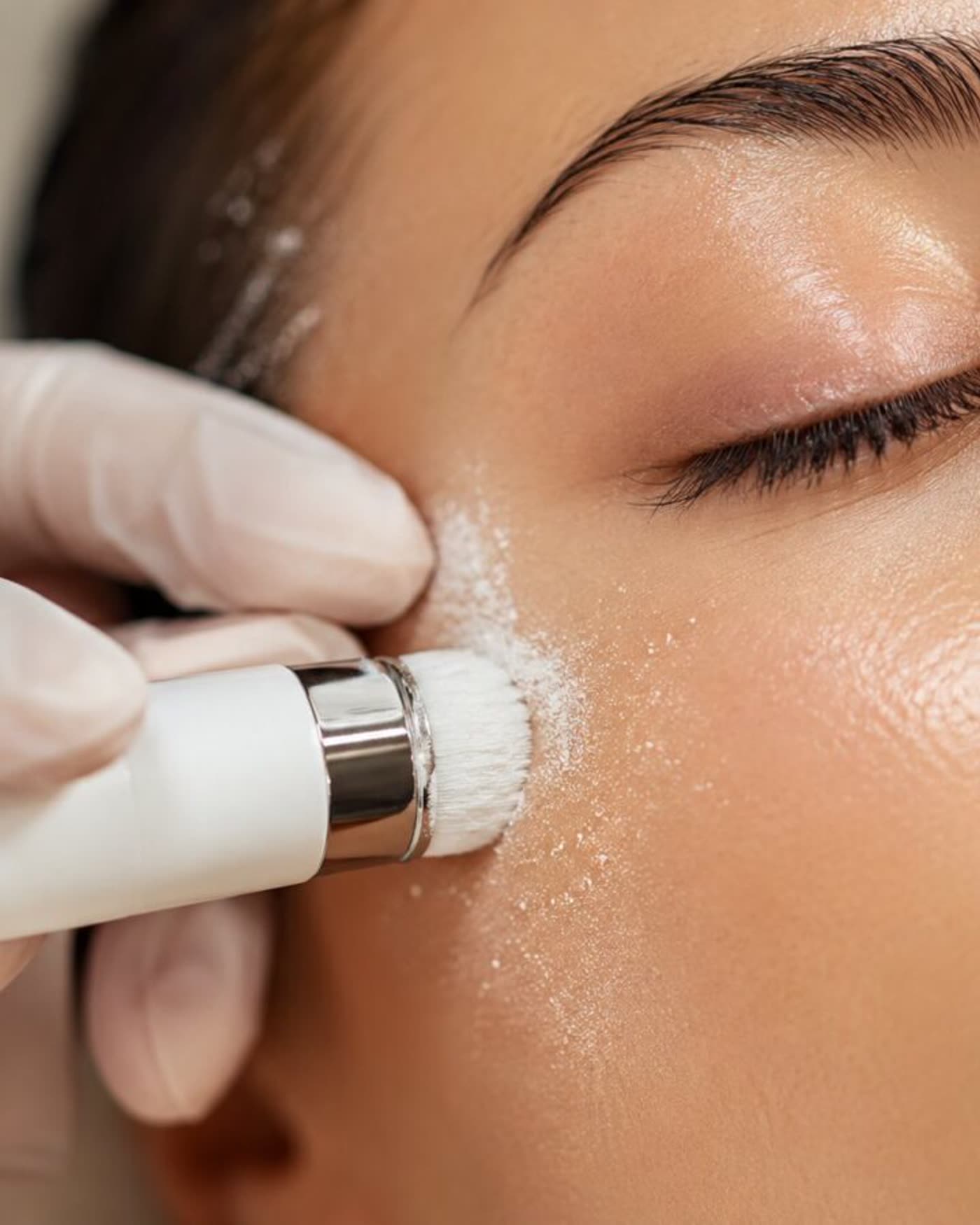
A topical alternative to injectable neuromodulators. Tightening and brightening effects without injections, filler or botulinum toxin.
The glycolic facial
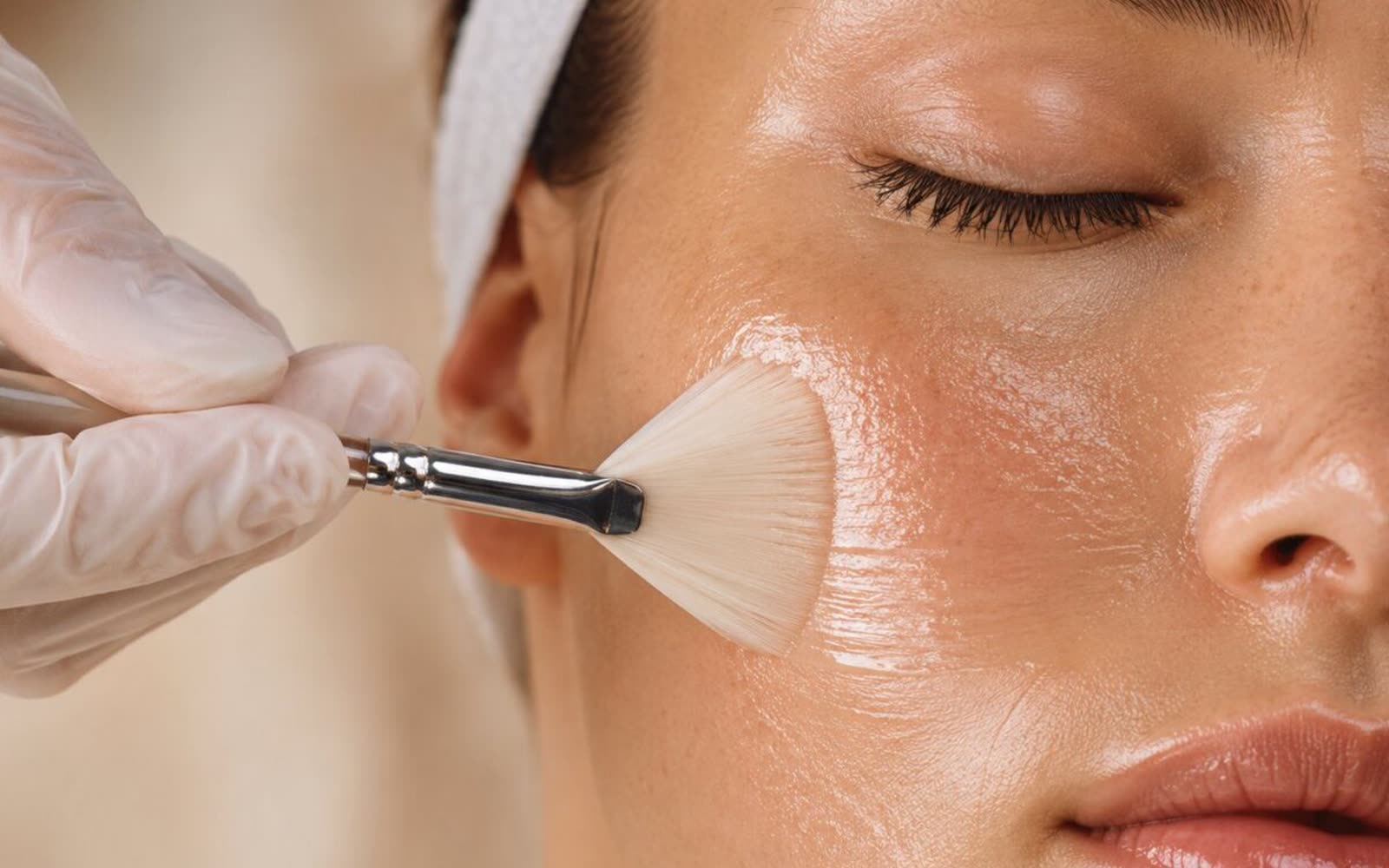
Medical-grade glycolic acid treatment refining texture and tone. A controlled chemical exfoliation paired with hands-on care.
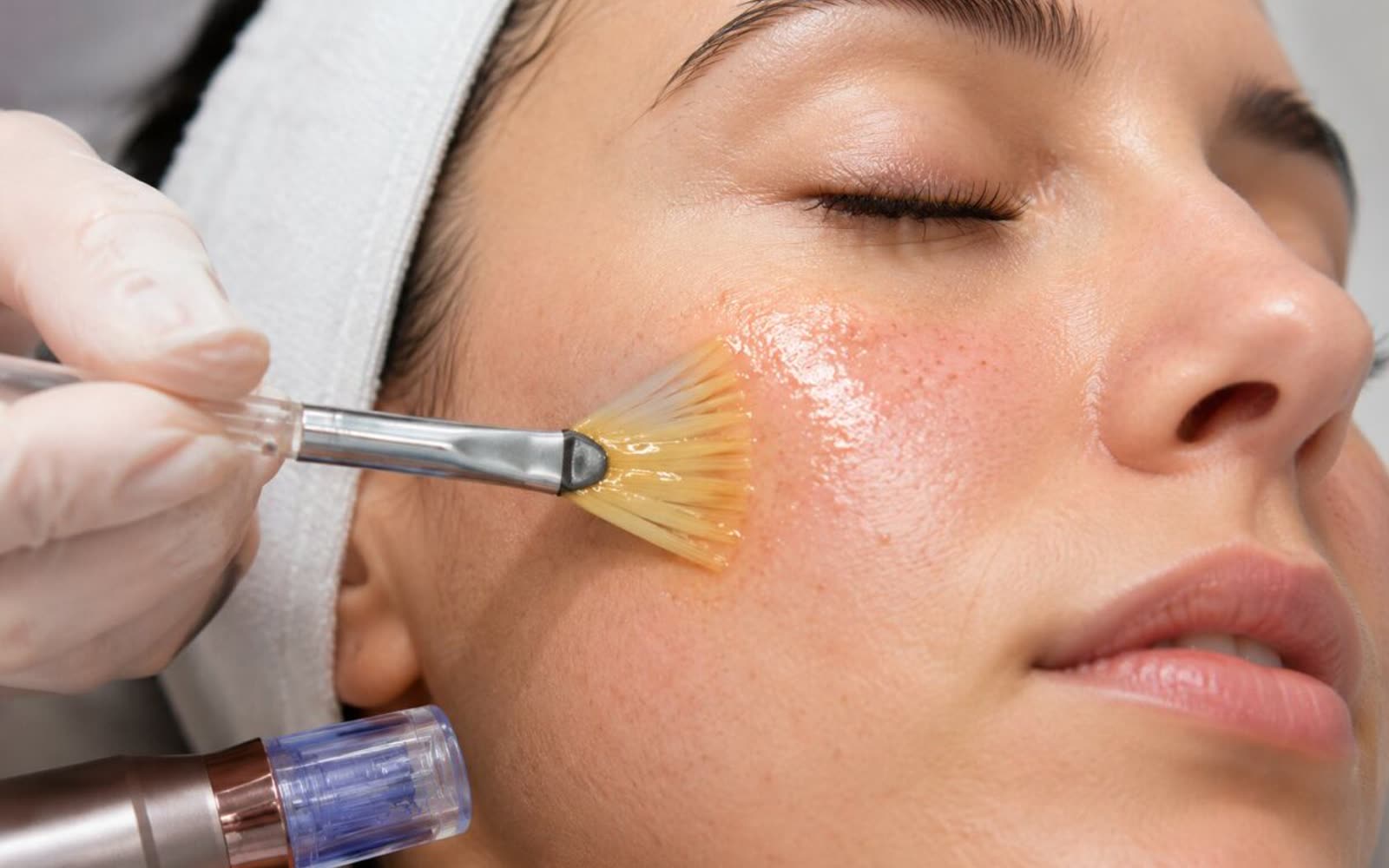
The PRP facial
Platelet-rich plasma microneedling. The body’s own growth factors directed at collagen induction and skin renewal.
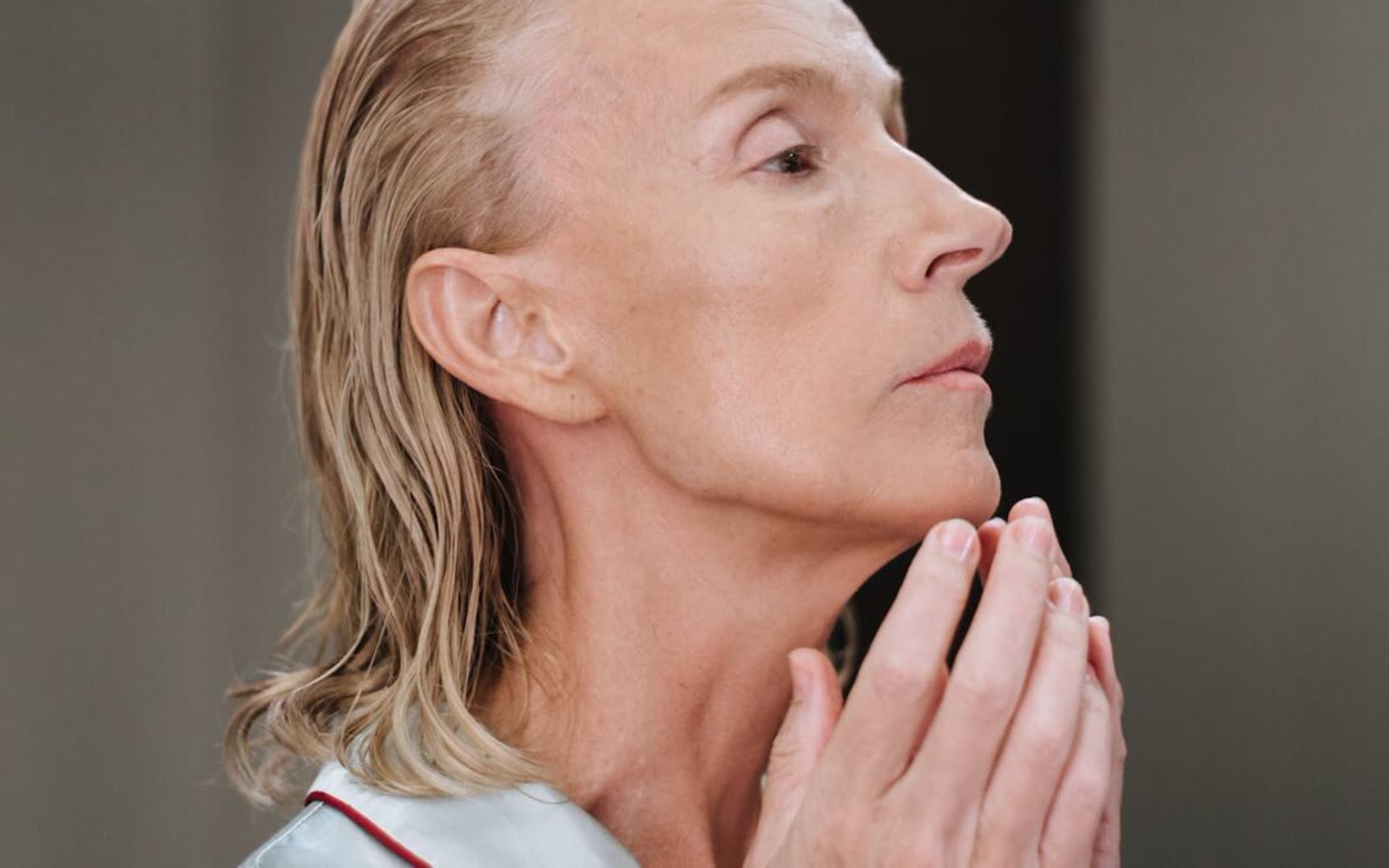
Oncology-safe facials
Gentle, medically appropriate skin care for patients in or after cancer treatment, coordinated with your oncology team.
For practitioners · Dr. Rusnak Academy
Learn this work from the practitioner who built it.
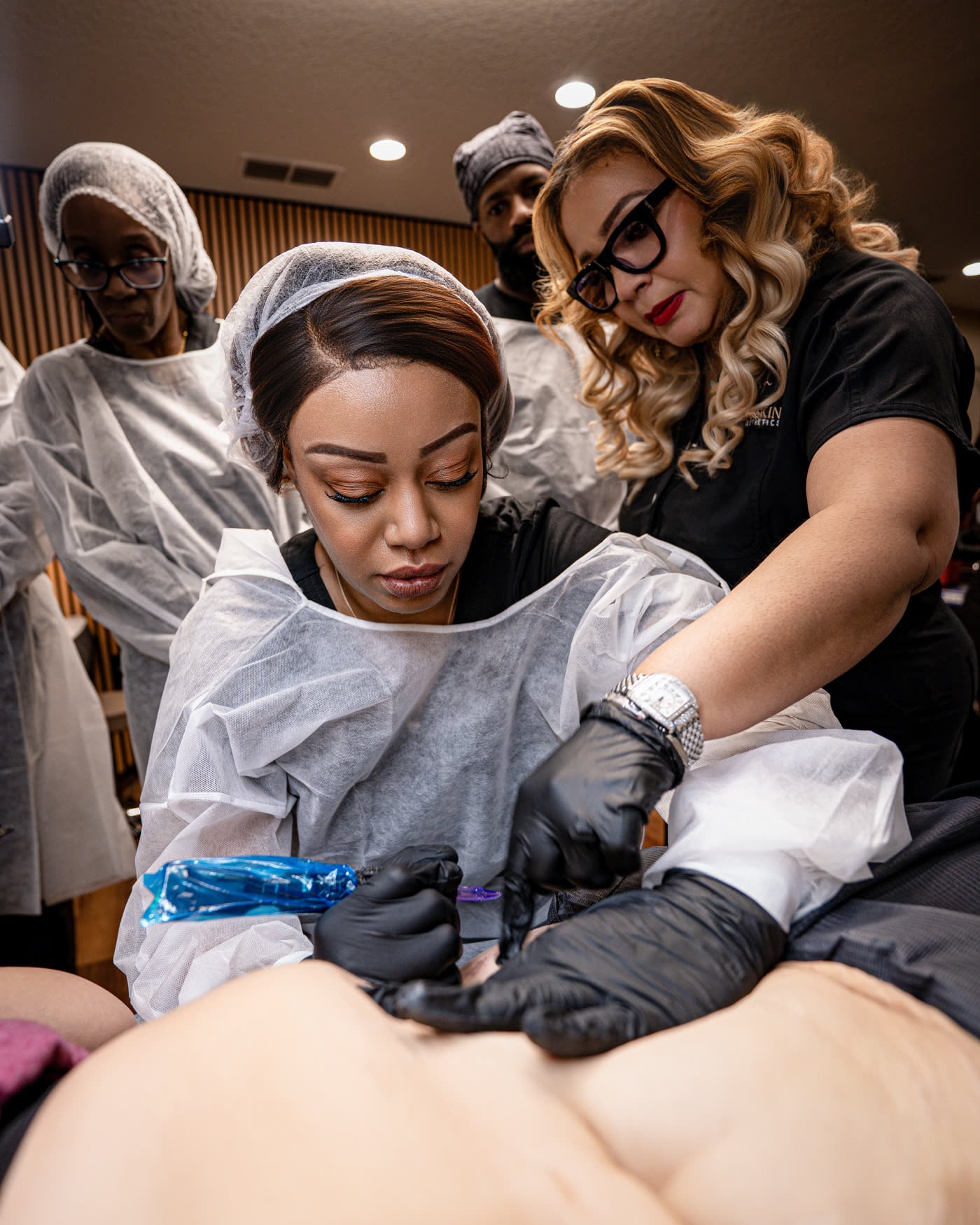
Healing Skin is the clinical home of Dr. Rusnak Academy, the private certifying body for paramedical tattoo practitioners. Training, live-model practice and certification take place here, taught by Dr. Rusnak.
Questions
Before you ask.
Am I a candidate for paramedical work?
Most patients are, once the tissue has healed: usually twelve months after surgery or injury. Active keloids, scars still in the early healing phase and some anatomical locations are not suitable. The consultation is where Dr. Rusnak tells you honestly what is realistic.
How soon after a mastectomy can areola restoration be done?
Most plastic surgeons recommend waiting at least three to six months after the final reconstructive surgery so swelling resolves and scar tissue settles. Dr. Rusnak assesses your tissue at consultation.
How many sessions will I need?
Paramedical pigment work is never single-session. Most plans take two to four sessions spaced four to six weeks apart so the pigment settles and colour can be verified and adjusted.
Does insurance cover it?
Healing Skin is a private-pay practice and does not bill insurance directly. For 3D areola restoration, the Women’s Health and Cancer Rights Act requires group plans that cover mastectomy to cover reconstruction, including nipple-areola tattooing; we provide a procedure summary, CPT codes, a medical necessity letter and an itemised invoice for your claim. Coverage and reimbursement vary by plan.
Does it hurt?
A topical numbing protocol is used throughout. Scar tissue and reconstructed breast tissue often have reduced sensation, and most patients describe the experience as mild.
How long do results last?
Properly performed paramedical work typically holds its colour for several years, with gradual softening rather than visible fading. A touch-up every three to five years is common. Sun exposure, skin type and pigment retention all affect longevity.
What does it cost?
Scar camouflage runs $450 to $1,200 per session depending on scar size, and most plans take two to four sessions. Stretch mark and areola work are quoted at consultation. Financing is available through Cherry, Klarna, Affirm and CareCredit, subject to approval.
When you’re ready, we are too.
A conversation with Dr. Rusnak. No fee, no obligation, no pressure.