The Healing Skin Method
Not cosmetic.
Clinical.
Dr. Cecilia Rusnak’s approach to paramedical aesthetics — what it means, why it matters, and how it shows up in every consultation, treatment, and training cohort.
Dr. Cecilia Rusnak — Master Trainer, 30+ years of clinical and aesthetic practice.
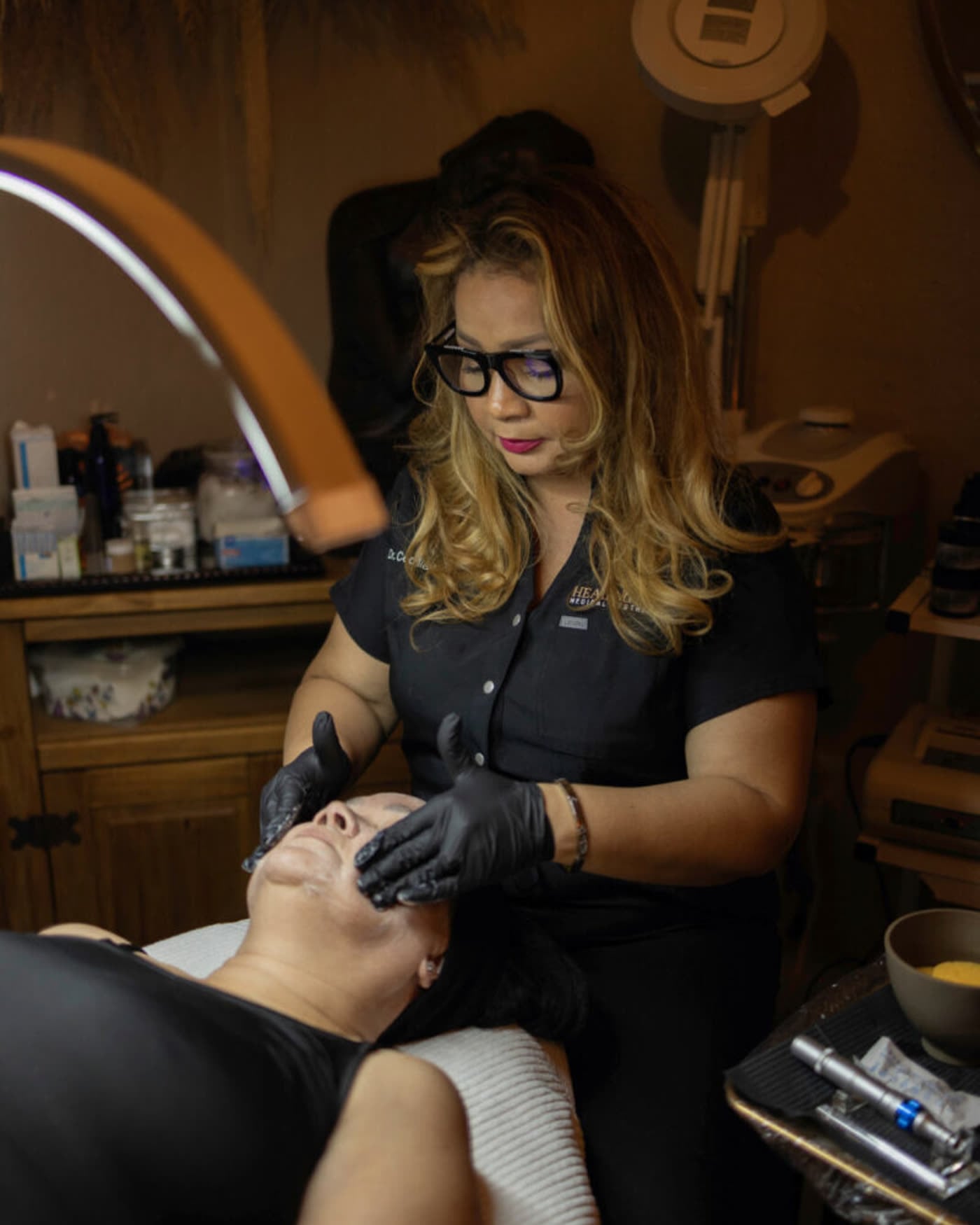
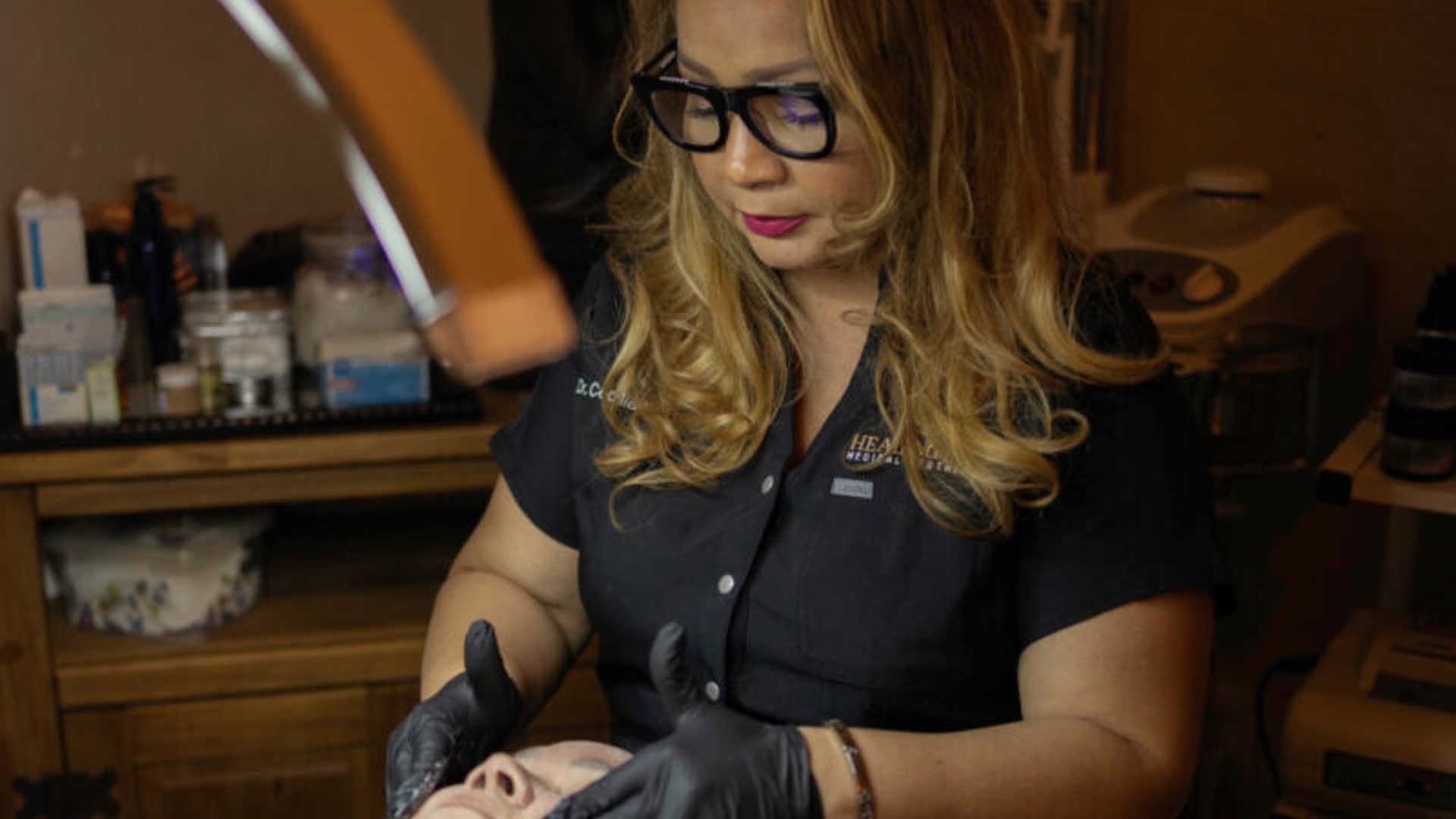
Paramedical aesthetics is medicine done with the discretion of a private practice. The procedures Dr. Rusnak performs — Areola Color Restoration (3D areola technique) restoration, scar camouflage, stretch mark revision, inkless scar work — are not cosmetic enhancements. They are restorations for patients whose bodies have been changed by mastectomy, surgery, trauma, burns, pregnancy, or simply time. The method is the structure that makes that work consistent.
Clinical, not cosmetic.
Every procedure is approached as medicine, not beauty. Documentation, intake, hygiene, color matching, and aftercare follow clinical protocols — because the patient population deserves that level of rigor. CPT coding and medical necessity letters are part of the work, not an afterthought.
Staged, not single-session.
Skin heals on its own timeline. Pigment settles. Color shifts. Every restorative procedure Dr. Rusnak performs is built as a staged protocol with healing time between sessions — because that’s what makes the result hold up at twelve months, not just at twelve hours.
Honest about what’s realistic.
A scar is permanent tissue. A stretch mark is a permanent structural change. Paramedical work doesn’t erase those — it reduces visual contrast so they no longer dominate the mirror. We say that at every consultation. The goal is restoration, not illusion.
Private. Unhurried.
Consultations are scheduled with time. Treatments are scheduled with time. Patients are not rotated through. The work is emotionally significant — particularly post-mastectomy and post-surgical patients — and the clinic environment reflects that. No pressure, no upsells, no salesmanship.
“
This is not cosmetic work. This is clinical healing.
— Dr. Cecilia Rusnak
In the Training Room
The same method, taught.
Dr. Rusnak’s training programs teach this method exactly as it’s practiced in clinic. Students learn the clinical-first framework, the staged session protocols, the honest patient conversations, and the operational systems — CPT coding, medical necessity letters, plastic surgeon collaboration — that make the work sustainable as a practice, not just a service.
If you’re a practitioner curious about adding paramedical work to your practice, the 3-Day Paramedical Tattoo Certification is where it starts. If you’re focused specifically on post-mastectomy work, the 3D Areola Masterclass goes deeper.
Two ways to work with us.
Best Paramedical Tattoo Method — 5 Honest Principles
- Skin Barrier Repair — The Healing Skin Approach
- Paramedical Aesthetics — A Clinical Approach
- Medical Aesthetic Training — A Master-Level Introduction
- The Ultimate Guide to Paramedical Tattooing
- Paramedical Tattoo Pigment Theory — Clinical Foundation
For practitioners: Dr. Rusnak teaches paramedical tattooing at Dr. Rusnak Academy — the credentialing authority for the profession. See the programs →
The 5 Pillars of the Best Paramedical Tattoo Method
The best paramedical tattoo method is built on 5 clinical pillars that distinguish medical-aesthetic work from cosmetic or decorative tattoo practice. These aren’t marketing words — they translate into how every consultation, treatment plan, and pigment placement decision is made.
Pillar 1: Clinical assessment before aesthetic decision. Every paramedical case begins with assessment of scar maturity, surrounding tissue health, patient medical history, and treatment-related factors (chemotherapy history, radiation timing, surgical clearance). We don’t make aesthetic decisions on tissue we haven’t fully assessed.
Pillar 2: Staged, multi-session protocol. Paramedical pigment work is never single-session. Real results require 2-4 sessions spaced 6-12 weeks apart to allow pigment settling, color verification, and adjustment. Anyone promising “one-and-done” paramedical work is either misunderstanding the technique or compromising on result quality.
Pillar 3: Honest realistic outcomes. We tell patients what we can and cannot deliver before they commit. Some scars camouflage to 95%+ invisibility. Others reach 70-80% improvement — which is still life-changing but isn’t “magic.” Setting honest expectations is the foundation of patient satisfaction.
Pillar 4: Pigment science and matching expertise. Paramedical pigments behave differently than decorative tattoo pigments. They need to integrate with surrounding tissue, age gracefully over years, and remain stable across healing cycles. We use medical-grade pigments and color-match with calibrated lighting and Fitzpatrick-aware methodology.
Pillar 5: Continuous training and clinical evolution. Our method evolves as the field evolves. Through Dr. Rusnak Academy and ongoing collaboration with other paramedical specialists, we incorporate new techniques and refinements. Patients benefit from the most current evidence-based approaches.
How Our Best Paramedical Tattoo Method Compares to Cosmetic Practice
Cosmetic tattoo practice (decorative tattoos, brow microblading, lip blushing) and paramedical tattoo practice share underlying mechanics — pigment placed in the dermal layer — but the substrate and goal are fundamentally different.
Cosmetic work generally happens on healthy intact skin with predictable pigment behavior. The goal is contrast — making a feature MORE visible (eyebrows, lip color, decorative imagery). Skill requirements include design aesthetics, color theory, and steady technique.
Paramedical work happens on scarred, post-surgical, or irregular tissue with unpredictable pigment behavior. The goal is integration — making a feature LESS visible (scars matching surrounding tone, areola restoration looking natural). Skill requirements include all of cosmetic skill plus tissue assessment, pigment migration prediction, and realistic outcome calibration.
A practitioner who has only done cosmetic work cannot reliably do paramedical work without dedicated additional training. The technical skills transfer partially, but the clinical judgment doesn’t. This is why our restoration practice and Academy training programs are kept distinct from cosmetic-only programs.
The Clinical Assessment Process Behind Our Method
Every paramedical case at Healing Skin begins with a structured assessment that takes 30-45 minutes. This isn’t a sales conversation — it’s a clinical evaluation that determines whether the procedure should happen at all, and if so, with what specific approach.
Step 1: Medical history review. Current medications (especially blood thinners, immunosuppressants), allergies, recent surgeries, cancer treatment history, pregnancy status. Some histories preclude paramedical work; others require modified protocols.
Step 2: Scar/tissue examination. Maturity (typically must be 12+ months post-injury), texture, color, depth, surrounding skin condition. Some scars aren’t candidates for camouflage — keloid scars often require dermatological treatment before tattoo work.
Step 3: Fitzpatrick assessment and color matching. We use calibrated daylight-balanced lighting and trial-color swatches placed against the target area to determine the optimal pigment formulation. This step alone often runs 10-15 minutes for complex matches.
Step 4: Realistic outcome conversation. Based on what we’ve assessed, we describe what 6-12 months post-completion will realistically look like. This includes expected outcomes, expected limitations, and any uncertainty zones.
Step 5: Treatment plan and consent. If proceeding, we document the session count, intervals, costs, aftercare, and follow-up schedule. Patient signs informed consent acknowledging realistic expectations.
Pigment Science Behind Our Best Paramedical Tattoo Method
The pigments we use in paramedical tattoo work are specifically formulated for clinical applications — different from decorative tattoo inks in composition, regulatory status, and behavior over time. This matters because the wrong pigment family can fail badly: shifting color toward blue or green over years, migrating beyond intended placement, or triggering hypersensitivity reactions.
Our pigments are iron oxide-based mineral formulations with USP-grade carriers. Compared to organic-based decorative tattoo inks, mineral pigments have more predictable aging profiles, fewer documented hypersensitivity reactions, and color stability better suited to skin-tone matching. The trade-off is they’re less vivid — which is exactly what we want for camouflage work.
Color matching itself uses three-axis analysis: hue (red-yellow vs red-blue undertones), chroma (saturation level), and value (lightness). We match each axis independently because matching only on overall appearance produces results that look correct in one lighting condition but mismatched in others. The 10-15 minutes spent on calibrated color matching during consultation pays back in 5-year color stability.
Training Standards Behind the Best Paramedical Tattoo Method
The best paramedical tattoo method requires practitioners with rigorous training. Through Dr. Rusnak Academy, we set training standards that exceed industry norms — and we train practitioners across the country who apply the same methodology in their own practices.
Our training requires 40+ hours of supervised live-model practice minimum, not theory or simulated practice. Practitioners observe real cases, then perform supervised cases, then complete independent cases with mentor review. Programs that compress this to “weekend certification” produce practitioners who are credentialed but not clinically prepared.
For specifics on what comprehensive paramedical training looks like, see our companion guides on hands-on paramedical tattoo training and 3D Areola Masterclass curriculum.
Frequently Asked Questions About Our Method
How long does the typical paramedical tattoo plan take? 4-6 months from initial consultation to completed result with first touch-up, including 2-4 treatment sessions with 6-12 week healing windows between each.
How long do results last? Paramedical pigment work typically holds its primary color and placement for 3-7 years before touch-up is recommended. Some patients go longer; some need slight touch-up sooner depending on sun exposure, skin chemistry, and area treated.
Why does The Healing Skin Method emphasize “clinical not cosmetic”? Because paramedical work is medical aesthetic restoration, not cosmetic enhancement. The patients we serve — mastectomy survivors, burn victims, stretch mark patients — deserve treatment that respects what they’ve been through and produces honest results, not cosmetic-style promises.
Can I see before/after work? Yes — our before/after gallery shows real patient results across all our paramedical service categories. We share with patient permission and protect identifying information appropriately.
Where can I learn the method as a practitioner? Through Dr. Rusnak Academy, which offers structured certification programs in 3D Areola, Scar Camouflage, Brazilian Stretch Mark Camouflage, and Powder Botox.