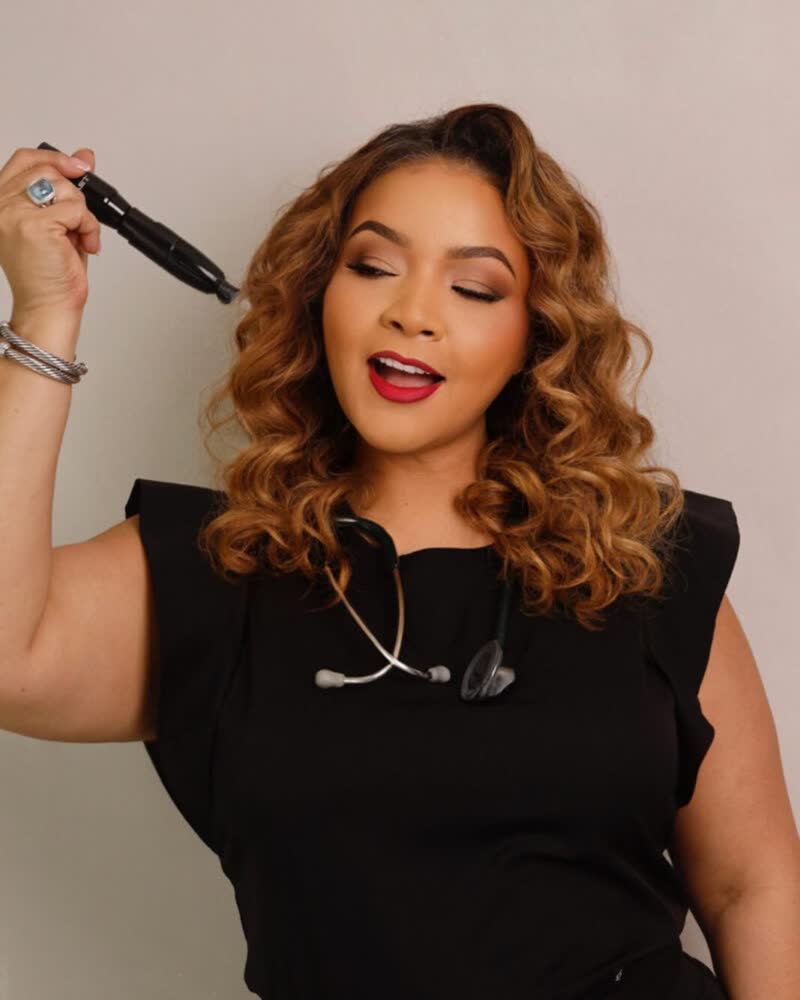

Paramedical Tattoo Pigment Theory — 5 Honest Principles
Most paramedical tattoo training programs spend 80 percent of their curriculum on technique — needle depth, machine speed, hand stability, sanitation — and almost none on paramedical tattoo pigment theory. That’s exactly backwards. Technique lets you put pigment in the right place. Pigment theory determines whether the color you put there actually heals to match your patient’s skin. Two practitioners with identical hand technique can produce wildly different results because one understands undertone, Fitzpatrick assessment, and color theory, and the other does not.
At Dr. Rusnak Academy, paramedical tattoo pigment theory is the foundational module of every certification program Dr. Cecilia Rusnak teaches — before students touch a single live model. This article is an introduction to the core concepts every paramedical tattoo practitioner needs to understand.
Why Paramedical Tattoo Pigment Theory Is Different from Cosmetic PMU
Cosmetic permanent makeup (PMU) — eyebrow microblading, lip blush, eyeliner — uses pigments designed to deliberately contrast with the skin. The brow color stands out from the surrounding face by design. Paramedical tattoo pigment theory reverses that goal entirely: the pigment must blend invisibly into surrounding skin, which means matching not just one color, but the specific spectrum of tones, undertones, and seasonal shifts that make up that patient’s actual skin.
This is why cosmetic PMU artists who transition to paramedical work often struggle initially. The technical hand skills transfer; the color philosophy doesn’t. A pre-blended brow pigment that looks great on a thousand brows looks wrong on a scar because skin doesn’t come in 50 SKU options — it comes in millions of slight variations.
The Five Foundational Concepts of Paramedical Tattoo Pigment Theory
1. Undertone Is the Master Variable
Skin undertone — the color underneath the surface — is what your pigment must match. The three primary undertones are warm (yellow/peach base), cool (pink/blue base), and neutral (mix of both). A patient with warm undertone receiving cool-undertone pigment will heal with a noticeable color mismatch even if the surface tone looks correct in the bottle. Identifying undertone correctly is the single most consequential decision in pigment selection.
2. Fitzpatrick Type Is About Burn Risk, Not Color Match
The Fitzpatrick scale (Types I through VI) classifies skin by its response to UV exposure — how easily it burns versus tans. It is useful for paramedical work because Fitzpatrick type correlates broadly with melanin density and seasonal color stability, but it is not sufficient for pigment matching. Two patients can both be Fitzpatrick III with completely different undertones and need completely different pigments. Use Fitzpatrick as one input among several, not as a substitute for direct color analysis.
3. Pigment Heals Differently Than It Looks in the Bottle
What’s in the bottle is not what ends up in the dermis. Carrier fluids evaporate. Some pigment particles are absorbed and removed by macrophages during the first weeks of healing. The remaining particles settle into final position approximately 4 to 6 weeks post-treatment. Practitioners who choose pigments based on how they look freshly mixed will be consistently disappointed by how they heal. Experience and protocol-driven adjustment are essential.
4. Layering Beats Single-Pass Color
Skin tone is not a single color — it’s layered tones (a deeper tone underneath, a surface tone above) plus undertone modulation. Reproducing that depth requires layering pigment intentionally across multiple sessions: a slightly cooler foundation pass, then warmer mid-tone, then surface integration. Single-pass pigment deposits look flat and unnatural even when the color is otherwise correct.
5. Color Shifts Over Time Are Predictable
Pigment that fades or shifts is not random — it shifts in patterns tied to its chemical composition. Iron-oxide pigments tend to shift warm (orange or pink). Some carbon-based pigments shift cool (blue or grey). Quality medical pigment systems like NUE Conceal are formulated to fade gracefully toward neutral rather than toward an off-color, which is why pigment selection matters for long-term result quality, not just immediate result quality.
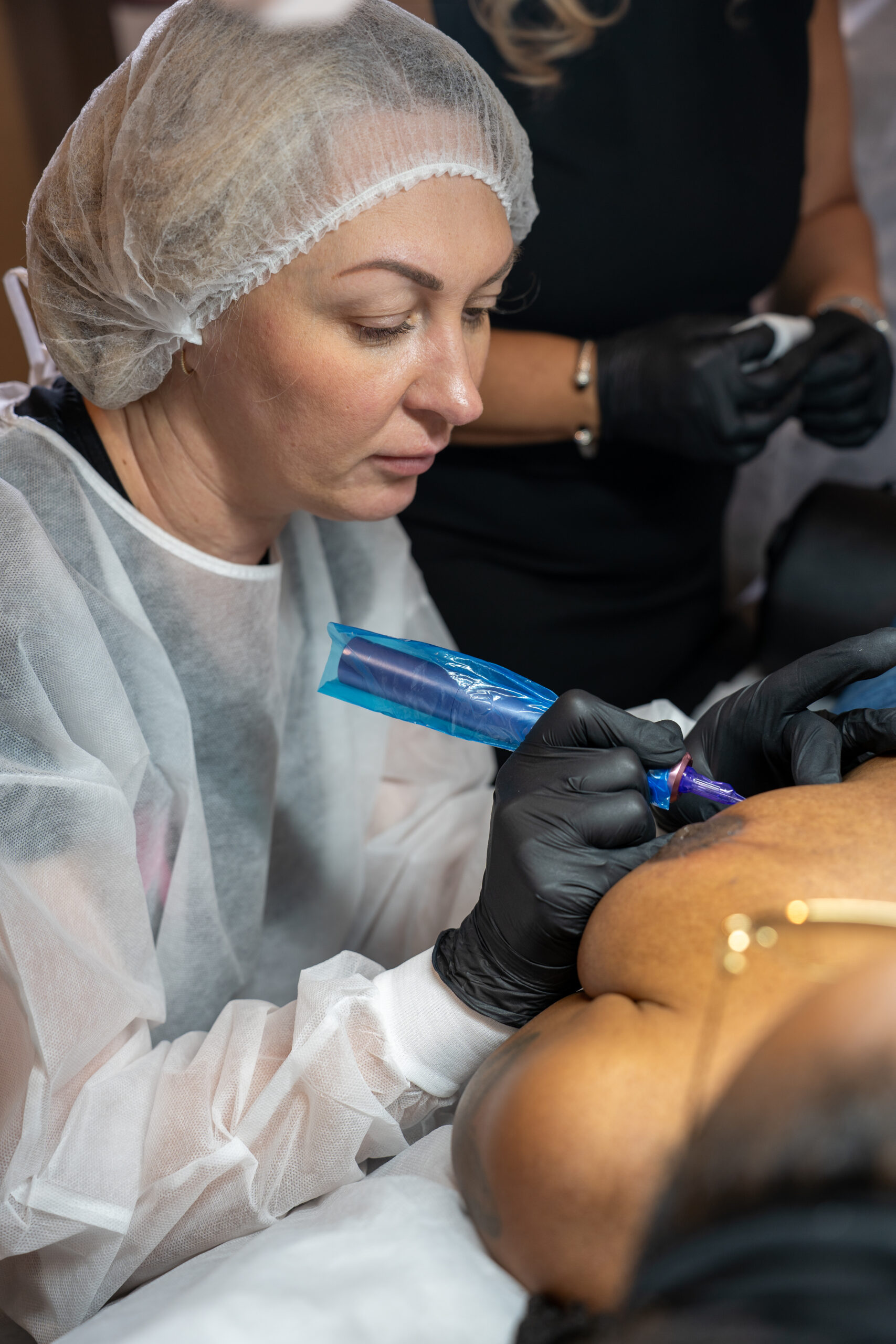
How to Assess Skin Undertone in Paramedical Tattoo Pigment Theory
Reliable undertone assessment is the practical heart of paramedical tattoo pigment theory. There is no single test that produces a definitive answer; instead, experienced practitioners triangulate from multiple indicators.
The Wrist Vein Test
Examine the underside of the patient’s wrist in natural daylight. Veins that appear blue or purple typically indicate cool undertone. Veins that appear green or olive typically indicate warm undertone. Veins that show a mix of both colors typically indicate neutral undertone. This test is fast and reasonably reliable but is one input, not the whole assessment.
The Jewelry Test
Ask which jewelry color looks better on the patient — silver/white gold, or yellow gold. Cool undertones generally look better in silver. Warm undertones generally look better in yellow gold. Neutral undertones look acceptable in both. This is subjective but useful for confirming the wrist vein indication.
The White Fabric Test
Hold a sheet of pure white fabric or paper next to the patient’s face in natural daylight. Cool undertones tend to look better — skin appears clearer, brighter — against pure white. Warm undertones look better against off-white or cream and may look yellowish or sallow next to pure white.
The Neighboring Skin Test (Most Important for Scars)
For scar camouflage specifically, the most important assessment is the skin immediately adjacent to the scar — not the patient’s face or arm, but the abdomen or back or wherever the scar is. Skin tone varies meaningfully by body region; an arm assessment doesn’t tell you what color the abdomen needs. Always blend pigment for the specific anatomical location of the scar.
What separates expert assessment from beginner assessment: Experienced practitioners triangulate from multiple indicators rather than relying on any single test. They also factor in seasonal variation — what does this patient look like in winter versus summer — and choose pigment that will look correct across the patient’s typical color range, not just on the day of treatment.
Pigment Composition: What Actually Goes Into Quality Paramedical Pigments
Quality matters in paramedical tattoo pigment because the pigment stays in the dermis for years. Understanding what’s in your pigment is part of paramedical tattoo pigment theory competency.
Iron Oxides: The Foundation
Most medical-grade pigments use iron oxide bases — red iron oxide, yellow iron oxide, black iron oxide — combined in varying ratios to produce flesh tones. Iron oxides are stable, well-studied, and have a long history of safe use in cosmetic and medical applications. They also tend to fade gracefully over time without shifting to off-colors.
Carrier Fluids and Suspension
Pigment particles must be suspended in a carrier fluid that allows consistent deposition into the dermis. Common carriers include purified water, glycerin, alcohol, and witch hazel. The carrier doesn’t stay in the skin — it dissipates within hours of treatment — but it affects how the pigment flows during work and how the patient’s skin reacts during healing. Quality matters.
Particle Size
Pigment particle size determines two things: how the pigment settles in the dermis, and how the body’s immune system responds to it. Particles that are too small are removed by macrophages, leading to premature fading. Particles that are too large can cause uneven distribution and granular healing. Medical-grade pigments are engineered for the optimal particle size range.
What to Avoid
Pigments not specifically formulated for dermal implantation — including general tattoo inks designed for cosmetic body art — should not be used for paramedical work. Some contain pigments that shift dramatically over time, others contain ingredients not tested for medical-aesthetic use. The NUE Conceal medical pigment system included with Dr. Rusnak Academy training is engineered specifically for paramedical applications.
Paramedical Tattoo Pigment Theory Across Fitzpatrick Types
Fitzpatrick Types I to III: Lighter Skin Considerations
Lighter skin tones are often easier to color-match because the natural skin tone variation is narrower and the contrast between scar and surrounding skin is typically modest. The challenge with lighter skin is undertone — pink-undertone Type I patients receiving yellow-toned pigment can develop noticeable color mismatch even when the surface lightness is correct. Triangulated undertone assessment is essential.
Fitzpatrick Types IV to VI: Melanin-Rich Skin Considerations
Melanin-rich skin requires more nuanced color theory because three things happen simultaneously: hypopigmented scar tissue stands out more dramatically against darker surrounding skin, the surrounding skin often has hyperpigmented borders around the scar that need to be addressed separately, and scars on melanin-rich skin carry higher risk of post-treatment hyperpigmentation if technique is not appropriate. Practitioners working on Fitzpatrick IV-VI skin should have specific training and demonstrated experience — not all do.
How Paramedical Tattoo Pigment Theory Is Taught at Dr. Rusnak Academy
Pigment theory is the first module of every certification program at Dr. Rusnak Academy because every clinical decision downstream depends on it. Students complete the online theory portion before ever touching a live model, then practice undertone assessment, Fitzpatrick analysis, and custom blending under direct supervision during the in-person training days.
The full NUE Conceal medical pigment system is included in tuition so students learn pigment theory using the same professional-grade system they will use in practice — not on bargain pigments that would teach them habits they need to unlearn later. After certification, graduates also receive lifetime mentorship support for ongoing pigment questions, which is where many of the subtler color-theory lessons happen. For a complete look at the training program, see our paramedical tattoo certification page.
Frequently Asked Questions About Paramedical Tattoo Pigment Theory
What is paramedical tattoo pigment theory?
Paramedical tattoo pigment theory is the body of clinical and color knowledge required to select, blend, and deposit pigments that integrate invisibly into a patient’s specific skin tone for medical scar camouflage and Areola Color Restoration (3D areola technique) restoration. It includes undertone assessment, Fitzpatrick analysis, color layering, and understanding how pigments heal and shift over time. It’s distinct from cosmetic PMU pigment theory because the goal is invisible integration rather than deliberate contrast.
How is paramedical tattoo pigment theory different from cosmetic tattoo pigment theory?
Cosmetic PMU (eyebrow microblading, lip blush, eyeliner) uses pigments designed to contrast deliberately with surrounding skin. Paramedical tattoo pigment theory reverses that goal — pigments must match surrounding skin invisibly. This requires custom blending for each patient rather than pre-blended SKUs, undertone matching rather than just lightness matching, and an understanding of seasonal color variation. Many cosmetic PMU artists struggle when transitioning to paramedical work because the color philosophy is fundamentally different.
What’s the most important variable in paramedical tattoo pigment selection?
Skin undertone — the warm, cool, or neutral base underneath the surface tone — is the master variable. A patient with warm undertone receiving cool-undertone pigment will heal with a noticeable mismatch even if the surface lightness looks correct. Reliable undertone assessment combines the wrist vein test, jewelry test, white fabric test, and direct examination of the skin adjacent to the treatment area.
How do you assess skin undertone for paramedical tattoo pigment matching?
Experienced practitioners triangulate from multiple indicators: the wrist vein test (blue/purple = cool, green = warm), the jewelry test (silver looks better on cool, yellow gold on warm), the white fabric test (cool undertones look better against pure white), and most importantly direct examination of the skin immediately adjacent to the scar. Skin tone varies by body region, so always assess the specific anatomical location, not the face or arm if you’re treating the abdomen.
Do paramedical tattoo pigments fade over time?
Yes, but quality medical-grade pigments fade gracefully toward neutral rather than shifting to off-colors. Iron-oxide-based pigments — the foundation of most medical pigment systems including NUE Conceal — are specifically engineered to fade in predictable, color-stable ways. Cheaper pigments often shift dramatically toward orange, pink, blue, or grey over time, which is why pigment quality matters as much as technique for long-term result quality.
What pigment system does Dr. Rusnak Academy teach with?
Dr. Rusnak Academy teaches with the NUE Conceal medical pigment system, which is included in tuition for paramedical certification students. NUE Conceal is engineered specifically for medical aesthetic applications — designed for predictable healing, graceful fading, and compatibility with custom blending across the full Fitzpatrick scale. Students learn pigment theory using the same professional-grade system they’ll use in their practice after graduation.
Is paramedical tattoo pigment theory taught in cosmetic PMU programs?
Generally no, or only at a surface level. Most PMU programs focus on cosmetic application techniques (microblading, ombré brows, lip blush) and use pre-blended pigments designed for those specific applications. Custom blending, paramedical color theory, and Fitzpatrick-aware pigment selection are usually not covered in depth. This is why paramedical tattoo work requires specialized training even for experienced PMU artists.
Can I learn paramedical tattoo pigment theory from a book or online course alone?
Foundational concepts can be learned independently, and we strongly encourage students to read pigment theory references before training. But true competency requires hands-on practice with real skin under direct supervision — assessing undertones in person, custom blending pigments, watching how mixed colors look in different lighting, and seeing how your blending decisions heal over weeks. There is no substitute for in-person training with an experienced instructor for developing real pigment theory expertise.
Build Your Paramedical Tattoo Pigment Theory Foundation Right
Pigment theory is one of the variables that separates paramedical tattoo artists who consistently produce excellent work from those who don’t — and unlike technique, which improves with reps, pigment theory has to be taught correctly from the start. Our certification at Dr. Rusnak Academy is built around foundational pigment theory first, technique second, because that’s the order that produces graduates ready to practice immediately after certification.
Ready to start your paramedical tattoo career? Call 321-478-2332 to discuss which training city and date fits your schedule, or reserve your seat in an upcoming class. To explore financing options before you commit, you can apply in under two minutes via Klarna or Affirm without affecting your credit score.
For the full picture of starting your paramedical tattoo career, see our companion articles on state-by-state licensing requirements, financing options for training tuition, and realistic income breakdowns. Quality aftercare protocols using Dr. Rusnak Wellness products are equally important to long-term result quality across every patient you treat.
Earn Your Credential at Dr. Rusnak Academy
Dr. Rusnak Academy issues its own private certification in paramedical tattooing. It is not a government or state licensing body.. Four formal training tracks — Paramedical Tattoo Certification, 3D Areola Masterclass, Powder Botox Masterclass, and Mastering Paramedical Billing — taught and examined by Dr. Cecilia Rusnak PhD, LME, DAc.