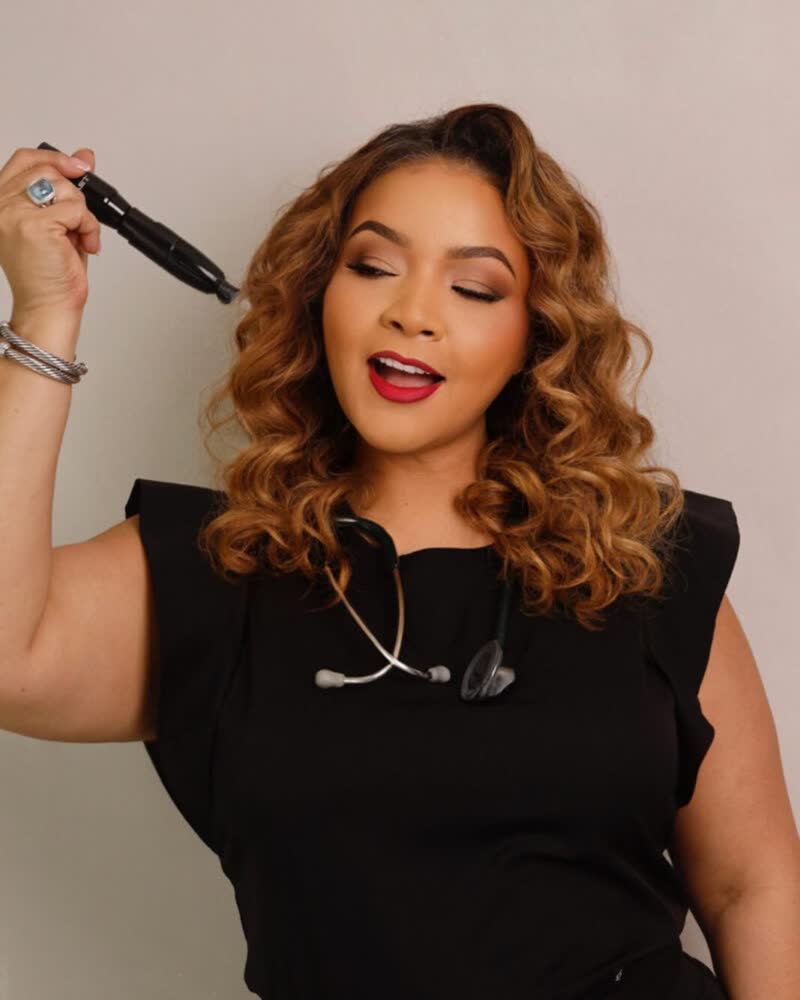

Best Paramedical Tattoo Licensing — 50-State Honest Guide
If you’re researching paramedical tattoo licensing, you’ve probably hit the same wall most aspiring practitioners do: every state regulates body art differently, and there’s no single national license that lets you legally perform scar camouflage, Areola Color Restoration (3D areola technique) restoration, or stretch mark camouflage across state lines. Some states require a state-issued tattoo artist license. Others delegate the entire process to county or city health departments. A handful require physician supervision. And in every state, a Bloodborne Pathogen certificate is non-negotiable — even when no tattoo license is required.
This guide walks through the four paramedical tattoo licensing categories states fall into, what the typical paramedical tattoo licensing process looks like in each, what Florida specifically requires (since our Dr. Cecilia Rusnak trains most of our students at our Kissimmee location), and the common pitfalls that trip up practitioners moving from one state to another. The single most important thing to understand from the start: requirements change. Always verify current rules with your specific state board before submitting an application.
Important: The information in this article is current as of 2026 and is intended as a general orientation, not as legal advice. State licensing requirements change regularly. Always confirm current requirements directly with your state’s Department of Health, body art licensing board, or local health authority before applying for a license or beginning practice.
Licensing is one step. For the full step-by-step path to becoming a paramedical tattoo artist, start there. The Academy’s practitioner reference, Paramedical Tattoo Regulations, State by State, covers the regulatory side.
Paramedical Tattoo Licensing vs. Certification: The Critical Difference
Before going further, the single most important distinction in paramedical tattoo licensing is the gap between training and authorization. a certification is not a license. They are two separate documents, issued by two different bodies, for two different purposes.
| Certification | Tattoo License | |
|---|---|---|
| Issued by | A training school or instructor | A state, county, or city government |
| Proves | You completed a specific training program | You are legally authorized to perform tattooing in that jurisdiction |
| Required to practice? | Often required by states as a prerequisite | Yes — practicing without it is illegal |
| Transferable? | Yes, the certificate itself doesn’t expire | No — each state’s license is jurisdiction-specific |
| Example | Dr. Rusnak Academy Paramedical Certification | Florida Department of Health Tattoo Artist License |
When a student completes our paramedical certification at Dr. Rusnak Academy, that certificate proves training competency — it does not, by itself, authorize the student to practice paramedical tattooing in their state. The state-issued tattoo license (or the equivalent permit at the county or city level, depending on jurisdiction) is what makes practice legal. Most state licensing applications require proof of training as a prerequisite, and that’s where our certification comes in — but the application itself is between the student and the state.
The Four Regulatory Categories of Paramedical Tattoo Licensing in the U.S.
Every state in the country falls into one of four broad categories for how it handles paramedical tattoo licensing. Knowing which category your state belongs to determines the authority you apply to, the documents you submit, and the timeline you should plan for. Knowing your state’s category is the fastest way to orient yourself.
Category 1: State-Issued Tattoo Artist License
These states have a centralized state-level licensing system. You apply to a state Department of Health (or equivalent agency), pay a state-set fee, demonstrate training and Bloodborne Pathogen certification, and receive a state-issued license that’s valid anywhere in that state. Examples include Florida, Oregon, Hawaii, and several others. For paramedical tattoo licensing in these states, you submit one application to a single state authority. This category is the simplest to navigate because there’s a single point of contact.
Category 2: County or City-Issued Permits
States in this category have no statewide license. Instead, each county (or sometimes each city) sets and enforces its own body art regulations through its local health department. Texas works this way for many practitioners — body art establishments are licensed at the city/county level. So does much of California outside of specific medical-supervision contexts. The complication: if you want to practice across multiple counties in one of these states, you may need separate paramedical tattoo licensing permits for each county.
Category 3: Medical Supervision Required
A small number of states classify some or all paramedical tattoo procedures as medical procedures requiring physician oversight. California is the most well-known example for certain forms of permanent makeup and paramedical work that fall under medical scope. In these jurisdictions, practitioners often work under a supervising physician or in a medical setting that has the appropriate licensure. The exact line between cosmetic body art and medical procedure varies and is often actively debated, which is why this category requires the most careful verification with your state board.
Category 4: Bloodborne Pathogen Certificate Only
A handful of states have minimal formal licensing for tattoo artists at the state level but still require a current Bloodborne Pathogen (BBP) certificate and compliance with sanitation regulations. These are the most permissive jurisdictions but also the most ambiguous — “no state license required” doesn’t always mean “no permit at all,” because the local health department or the property owner of your practice location may still require documentation.
Paramedical Tattoo Licensing by State: At-a-Glance Table
The table below assigns each state to one of the four paramedical tattoo licensing categories above as a starting point for your research. Every entry should be verified directly with the state board listed in the right column, because regulations change and this list reflects the general regulatory structure as of 2026, not the specific current requirements for any particular applicant. If you don’t see your state’s specific licensing fee, hour requirement, or exam structure here, that’s intentional — those details belong on the state board’s own website, not on a third-party blog.
| State | Regulatory Category | Primary Authority |
|---|---|---|
| Alabama | Cat 2 — County/Local | AL Dept. of Public Health + county health departments — verify with state board for current requirements |
| Alaska | Cat 1 — State License | AK Dept. of Commerce, Body Art Practitioner license — verify with state board for current requirements |
| Arizona | Cat 4 — BBP + Local | AZ Dept. of Health Services + county health departments — verify with state board for current requirements |
| Arkansas | Cat 1 — State License | AR Dept. of Health, Body Art Establishment + Artist license — verify with state board for current requirements |
| California | Cat 3 — Medical Supervision (some procedures) + Cat 2 (county) | CA Dept. of Public Health + county health depts; medical board for medical-scope procedures — verify with state board for current requirements |
| Colorado | Cat 4 — BBP + Local | CO Dept. of Public Health and Environment + local health depts — verify with state board for current requirements |
| Connecticut | Cat 1 — State License | CT Dept. of Public Health, Tattoo Technician permit — verify with state board for current requirements |
| Delaware | Cat 1 — State License | DE Division of Public Health — verify with state board for current requirements |
| Florida | Cat 1 — State License | FL Dept. of Health, Tattoo Artist + Establishment license — see dedicated section below; verify with state board for current requirements |
| Georgia | Cat 2 — County/Local | GA Dept. of Public Health + county health depts — verify with state board for current requirements |
| Hawaii | Cat 1 — State License | HI Dept. of Health, Tattoo Artist Permit — verify with state board for current requirements |
| Idaho | Cat 4 — BBP + Local | ID Dept. of Health and Welfare + district health depts — verify with state board for current requirements |
| Illinois | Cat 1 — State License | IL Dept. of Public Health, Body Art Establishment registration — verify with state board for current requirements |
| Indiana | Cat 1 — State License | IN State Dept. of Health — verify with state board for current requirements |
| Iowa | Cat 1 — State License | IA Dept. of Inspections, Appeals, and Licensing — verify with state board for current requirements |
| Kansas | Cat 1 — State License | KS Board of Cosmetology, Body Art license — verify with state board for current requirements |
| Kentucky | Cat 2 — County/Local | KY Dept. for Public Health + local health depts — verify with state board for current requirements |
| Louisiana | Cat 1 — State License | LA Dept. of Health, Tattoo Operator permit — verify with state board for current requirements |
| Maine | Cat 1 — State License | ME Office of Professional and Occupational Regulation — verify with state board for current requirements |
| Maryland | Cat 4 — BBP + Local | MD Dept. of Health + county health depts — verify with state board for current requirements |
| Massachusetts | Cat 2 — County/Local | MA Dept. of Public Health + local boards of health — verify with state board for current requirements |
| Michigan | Cat 1 — State License | MI Dept. of Health and Human Services, Body Art Facility license — verify with state board for current requirements |
| Minnesota | Cat 1 — State License | MN Dept. of Health, Body Art Technician license — verify with state board for current requirements |
| Mississippi | Cat 1 — State License | MS State Dept. of Health, Tattoo Artist permit — verify with state board for current requirements |
| Missouri | Cat 1 — State License | MO Office of Tattooing, Body Piercing, and Branding — verify with state board for current requirements |
| Montana | Cat 1 — State License | MT Dept. of Public Health and Human Services — verify with state board for current requirements |
| Nebraska | Cat 1 — State License | NE Dept. of Health and Human Services, Body Art Practitioner license — verify with state board for current requirements |
| Nevada | Cat 2 — County/Local | NV Dept. of Health and Human Services + county health depts — verify with state board for current requirements |
| New Hampshire | Cat 1 — State License | NH Office of Professional Licensure and Certification, Body Art Practitioner license — verify with state board for current requirements |
| New Jersey | Cat 1 — State License | NJ Dept. of Health, Body Art Establishment license — verify with state board for current requirements |
| New Mexico | Cat 1 — State License | NM Regulation and Licensing Dept., Body Art Practitioner license — verify with state board for current requirements |
| New York | Cat 1 — State License | NY State Dept. of Health, Tattoo Artist registration — verify with state board for current requirements |
| North Carolina | Cat 2 — County/Local | NC Dept. of Health and Human Services + local health depts — verify with state board for current requirements |
| North Dakota | Cat 1 — State License | ND Dept. of Health, Body Art license — verify with state board for current requirements |
| Ohio | Cat 1 — State License | OH Dept. of Health, Body Art license — verify with state board for current requirements |
| Oklahoma | Cat 1 — State License | OK State Dept. of Health, Body Art license — verify with state board for current requirements |
| Oregon | Cat 1 — State License | OR Health Licensing Office, Tattoo Artist license — verify with state board for current requirements |
| Pennsylvania | Cat 4 — BBP + Local | PA Dept. of Health + local health depts — verify with state board for current requirements |
| Rhode Island | Cat 1 — State License | RI Dept. of Health, Body Art Practitioner license — verify with state board for current requirements |
| South Carolina | Cat 1 — State License | SC Dept. of Health and Environmental Control, Tattoo Facility license — verify with state board for current requirements |
| South Dakota | Cat 4 — BBP + Local | SD Dept. of Health + local health depts — verify with state board for current requirements |
| Tennessee | Cat 1 — State License | TN Dept. of Health, Tattoo Artist registration — verify with state board for current requirements |
| Texas | Cat 2 — County/Local | TX Dept. of State Health Services + city/county health depts — verify with state board for current requirements |
| Utah | Cat 2 — County/Local | UT Dept. of Health and Human Services + local health depts — verify with state board for current requirements |
| Vermont | Cat 1 — State License | VT Office of Professional Regulation, Tattooist license — verify with state board for current requirements |
| Virginia | Cat 1 — State License | VA Board for Barbers and Cosmetology, Tattooer license — verify with state board for current requirements |
| Washington | Cat 1 — State License | WA Dept. of Licensing, Body Art Practitioner license — verify with state board for current requirements |
| West Virginia | Cat 1 — State License | WV Bureau for Public Health, Body Piercing and Tattoo Studio license — verify with state board for current requirements |
| Wisconsin | Cat 1 — State License | WI Dept. of Safety and Professional Services, Tattooist license — verify with state board for current requirements |
| Wyoming | Cat 4 — BBP + Local | WY Dept. of Health + local health depts — verify with state board for current requirements |
Why every line says “verify with state board”: We mean it literally. State licensing rules update every legislative session. Filing fees change. Hour requirements get revised. Reciprocity agreements come and go. The category and authority above are accurate as a starting point in 2026, but the specific current requirements for your application — fees, hours, exam, fingerprinting, age minimums, application windows — must come directly from the state board’s official website on the day you apply.
Florida Paramedical Tattoo Licensing: A Deeper Look
Since Healing Skin Medical Aesthetics is based in Kissimmee and most of our students complete their in-person training at our Florida location, Florida paramedical tattoo licensing is the process we guide students through most often. the Florida licensing process is the one we guide students through most often. Here is the general framework — again, with the strong caveat that the Florida Department of Health is the source of truth for current specifics, fees, and forms.
The Two Florida Documents You’ll Need
Florida regulates body art at the state level under the Florida Department of Health. Two separate documents typically apply to anyone performing paramedical tattooing in the state:
- Tattoo Artist License — issued to the individual practitioner. Demonstrates training, Bloodborne Pathogen certification, and compliance with state body art regulations. Tied to the person, not the location.
- Tattoo Establishment License — issued to the physical location where tattooing is performed. Required whether you operate your own studio, work inside a clinic or medical aesthetics practice, or share space with another body art professional. Tied to the address, not the artist.
If you complete our training and plan to practice at your own location in Florida, you’ll typically need both. If you’re joining an existing licensed establishment as a contractor or employee, your individual license is what matters — the establishment’s license is the studio owner’s responsibility.
What Florida Typically Looks For in an Application
Florida’s process generally requires applicants to demonstrate completion of an approved training program (which our paramedical certification at Dr. Rusnak Academy satisfies as a training credential), a current Bloodborne Pathogen certificate, documentation of age and identity, and payment of the state’s current application fee. Some applications include a state examination component or a registered apprenticeship element. Whether yours does, and at what specific cost and timeline, is what you confirm directly with the state.
How Our Training Fits Into the Florida Path
Our paramedical tattoo certification is structured to meet the training-component requirements of most state paramedical tattoo licensing systems, including Florida’s. The certification document we issue at completion is the proof of training that students typically submit alongside their state application. Beyond the training credential, the rest of the application — fees, fingerprinting if required, BBP cert, identity documents, and the application itself — is the student’s responsibility. We provide guidance and reference materials, but we do not file applications on a student’s behalf and our certification is not a substitute for any license issued by the state.
Practicing Paramedical Tattoo Across Multiple States
One of the most common questions we get from graduates is whether their paramedical tattoo licensing in their home state lets them practice on traveling clients in another state. The short version: paramedical tattoo licensing is jurisdiction-specific and rarely transfers. The general answer: no, but with important nuance.
Reciprocity Is Rare
Unlike nursing or massage therapy, body art licenses generally do not have national reciprocity agreements between states. A Florida-licensed tattoo artist who travels to do a single session for a client in Ohio is, technically, practicing without a license in Ohio. A handful of states have informal recognition for practitioners traveling for specific events (conventions, guest spots), but these are exceptions and require advance verification with the destination state’s licensing authority.
If You Plan to Travel for Work
Practitioners who genuinely intend to operate across state lines have three real options: obtain a license in each state where you intend to practice (the cleanest path), partner with a local licensed practitioner in the destination state who hosts you under their establishment license, or schedule out-of-state clients to travel to your licensed location. Our students who build national clientele typically use option three — out-of-state patients fly to Orlando for treatment at our Kissimmee location, where everyone is operating under a single licensed jurisdiction.
Don’t take this lightly. Practicing paramedical tattooing in a state where you are not licensed exposes you to fines, criminal charges in some jurisdictions, civil liability if anything goes wrong, and disqualification from licensure in your home state. The math doesn’t favor cutting corners on this.
Common Paramedical Tattoo Licensing Pitfalls
After helping hundreds of students navigate paramedical tattoo licensing across multiple states, we’ve seen the same handful of issues trip up applicants over and over. Plan for these now and you’ll save yourself months of delays.
Bloodborne Pathogen Certification Isn’t Included in Paramedical Tattoo Licensing Tuition
Every state we know of requires a current Bloodborne Pathogen (BBP) certificate. This is a separate online certification (typically around $25, valid for one year) that you obtain independently from sources like the Red Cross, OSHA-compliant training providers, or BBP-specific certifiers. It is not included in our paramedical certification tuition. Most states require the BBP certificate to be current at the time of application — meaning if yours expired six months ago, you’ll need to renew before submitting your paramedical tattoo licensing paperwork.
Age Minimums Are Stricter Than You Might Expect
Most states require tattoo license applicants to be at least 18, and some require 19 or 21. A handful of states also have age minimums for who can be tattooed (with parental consent windows), which becomes relevant if you ever treat a minor for medical scar camouflage — verify both your eligibility to be licensed and the rules around treating young patients.
Fingerprinting and Background Checks
Several states require fingerprinting and FBI background checks as part of the license application. The fingerprinting fee is separate from the license fee and processing can take 4 to 8 weeks. If your state requires it, build that timeline into your plan so you’re not waiting on a background check while you’ve already invested in training and equipment.
Establishment Inspections
If you’re opening your own studio or operating a paramedical tattoo practice inside an existing space, most states require an in-person establishment inspection before you can legally see clients. Inspections check sanitation, sharps disposal, hand-washing facilities, and signage. Fail the inspection and you wait for a re-inspection, which can add weeks. Reading your state’s establishment regulations before your inspection is the single highest-leverage prep activity available, and one of the most under-used resources in the entire paramedical tattoo licensing process.
Insurance Requirements
Some states require proof of professional liability insurance as part of licensure or establishment licensing. Others don’t require it for the license itself but you’ll need it to operate professionally regardless. Common providers for paramedical tattoo practitioners include those that specialize in beauty and body art coverage. Premiums typically run $300 to $800 per year for a solo practitioner and scale up if you’re operating an establishment with multiple artists.
Application Windows and Renewals
Most state body art licenses must be renewed annually or biennially. Some states have application windows (only accepting new applications during certain months); others accept rolling applications. Renewals always require current BBP cert and may require continuing education hours. Setting calendar reminders for renewal at least 60 days before expiration is the simplest way to avoid letting your paramedical tattoo licensing lapse.
Federal Standards That Apply Regardless of State
While paramedical tattoo licensing itself is state-regulated, certain federal standards apply to every practitioner in every state. The most important is the OSHA Bloodborne Pathogens Standard, codified in 29 CFR 1910.1030, which sets the federal baseline for protecting workers from exposure to blood and other potentially infectious materials. Anyone performing tattoo work in the U.S. is subject to this standard. Reading it once early in your training pays dividends across your entire career.
Specific topics covered include exposure control plans, sharps containers and disposal, hepatitis B vaccination availability, post-exposure protocols, and required record-keeping. Most state body art regulations are written to be consistent with OSHA’s framework, so familiarity with the federal standard makes every state-level inspection significantly easier.
After You’re Licensed: Building a Compliant Paramedical Tattoo Practice
Getting your paramedical tattoo licensing in place is the legal foundation. The clinical and operational decisions that follow your paramedical tattoo licensing — pigment systems, aftercare protocols, patient consent forms, photo documentation, scope of practice boundaries — determine whether your work actually heals well and whether your patients return for additional sessions or refer others to you.
For aftercare protocols, Dr. Rusnak Wellness publishes the topical products and aftercare framework Dr. Cecilia recommends to her patients and graduates. Standardizing your aftercare protocol around clinically-tested products means fewer healing complications, more predictable color retention, and patients who recommend you because their results held up.
Beyond aftercare, the most important professional habit a newly licensed paramedical tattoo practitioner can build after completing their paramedical tattoo licensing is documenting everything: signed consent forms, clinical photos before and after each session, written aftercare instructions delivered at discharge, and session-by-session notes on pigment used, needle depth, and patient response. This documentation protects you in the rare event of a patient complaint and is exactly what every state inspection wants to see.
Frequently Asked Questions About Paramedical Tattoo Licensing
Do I need a license to practice paramedical tattooing?
Yes. Every U.S. state requires some form of authorization to legally perform tattoo work, which paramedical tattooing is classified as in nearly every jurisdiction. The authorization may be a state-issued tattoo artist license, a county or city body art permit, or, in medical-supervision states, practice under a physician’s licensure. Verify with your state board for the current requirements that apply to your specific situation.
Does the Dr. Rusnak Academy paramedical tattoo certification count as a license?
No. Our certification proves you completed the training program — it is not a license. State and local paramedical tattoo licensing authorities issue the actual license that authorizes you to practice. Most state applications accept our certification as the training credential they require, but the application itself is between you and the state. We provide guidance, reference materials, and your training certificate, but we do not issue licenses or file applications on your behalf.
How long does it take to get a paramedical tattoo license after I finish training?
It varies by state. The fastest jurisdictions (mostly Category 1 states with simple online applications) issue licenses in 2 to 4 weeks. States that require fingerprinting and FBI background checks add 4 to 8 weeks. States that require an in-person establishment inspection add another 2 to 6 weeks depending on inspector availability. Plan for at least 30 days from finishing training to legal practice in most states, and up to 90 days in slower jurisdictions.
Can I practice paramedical tattooing in another state with my home-state license?
Generally no. Paramedical tattoo licensing does not have automatic reciprocity between states. A practitioner licensed in Florida is not automatically authorized to practice in Texas, Ohio, or anywhere else. The cleanest paths for serving out-of-state clients are: have them travel to you, or obtain a separate license in each state where you intend to practice. Always verify with the destination state’s licensing board before practicing across state lines.
Is Bloodborne Pathogen certification included in your paramedical tattoo training?
No. The Bloodborne Pathogen (BBP) certificate is a separate online certification that students obtain independently. It typically costs around $25 and is valid for one year. Every state we know of requires a current BBP certificate as part of the paramedical tattoo licensing process and ongoing practice, and most states require renewal annually. Sources include the Red Cross, OSHA-compliant training providers, and BBP-specific certifiers.
Do I need a medical license to perform paramedical tattooing?
Generally no, but it depends on your state and the specific procedures you offer. Most states classify paramedical tattooing — including scar camouflage, 3D areola restoration, and stretch mark camouflage — as body art rather than medical practice, so a tattoo artist license is sufficient. A small number of states (notably parts of California for certain procedures) impose paramedical tattoo licensing rules that require physician supervision or medical licensure for some paramedical work. Verify with your state board for the specific procedures you intend to offer.
What happens if I practice paramedical tattooing without a license?
It varies by state, but consequences typically include fines (often per-incident), cease-and-desist orders, criminal charges in stricter jurisdictions, civil liability if a patient is harmed, and permanent disqualification from future licensure in your state. Insurance coverage is also voided when practicing unlicensed. The financial and legal cost of a single unlicensed session can vastly exceed the cost of obtaining proper licensure in the first place.
How often do paramedical tattoo licensing requirements change?
Often enough that we always recommend verifying current rules at the time of application. State legislatures frequently update body art statutes and paramedical tattoo licensing rules — adding requirements (continuing education, expanded scope definitions), modifying fees, or changing reciprocity rules. The information in this article reflects the regulatory structure as of 2026 and should always be verified directly with your state board before you apply or renew.
Start with Training You Can Actually Use Across States
Regardless of which state you plan to practice in, the training credential you bring to the paramedical tattoo licensing application matters. Our paramedical certification at Dr. Rusnak Academy is structured around the training-component requirements that appear in most state licensing applications, taught by Dr. Cecilia Rusnak PhD, LME, DAc, with three decades of clinical experience — and includes the full NUE Conceal kit students use throughout the program and into their professional practice.
Ready to start your paramedical tattoo career? Reserve your seat in an upcoming class or call 321-478-2332 to discuss which training city and date fits your schedule. To explore financing options before you commit, you can apply in under two minutes through Klarna or Affirm without affecting your credit score.
For more on the financial side of training and treatment, see our companion articles on paramedical tattoo financing and scar camouflage cost in 2026. To see what graduates of our program go on to produce, browse our before and after gallery.
Earn Your Credential at Dr. Rusnak Academy
Dr. Rusnak Academy issues its own private certification in paramedical tattooing. It is not a government or state licensing body.. Four formal training tracks — Paramedical Tattoo Certification, 3D Areola Masterclass, Powder Botox Masterclass, and Mastering Paramedical Billing — taught and examined by Dr. Cecilia Rusnak PhD, LME, DAc.