
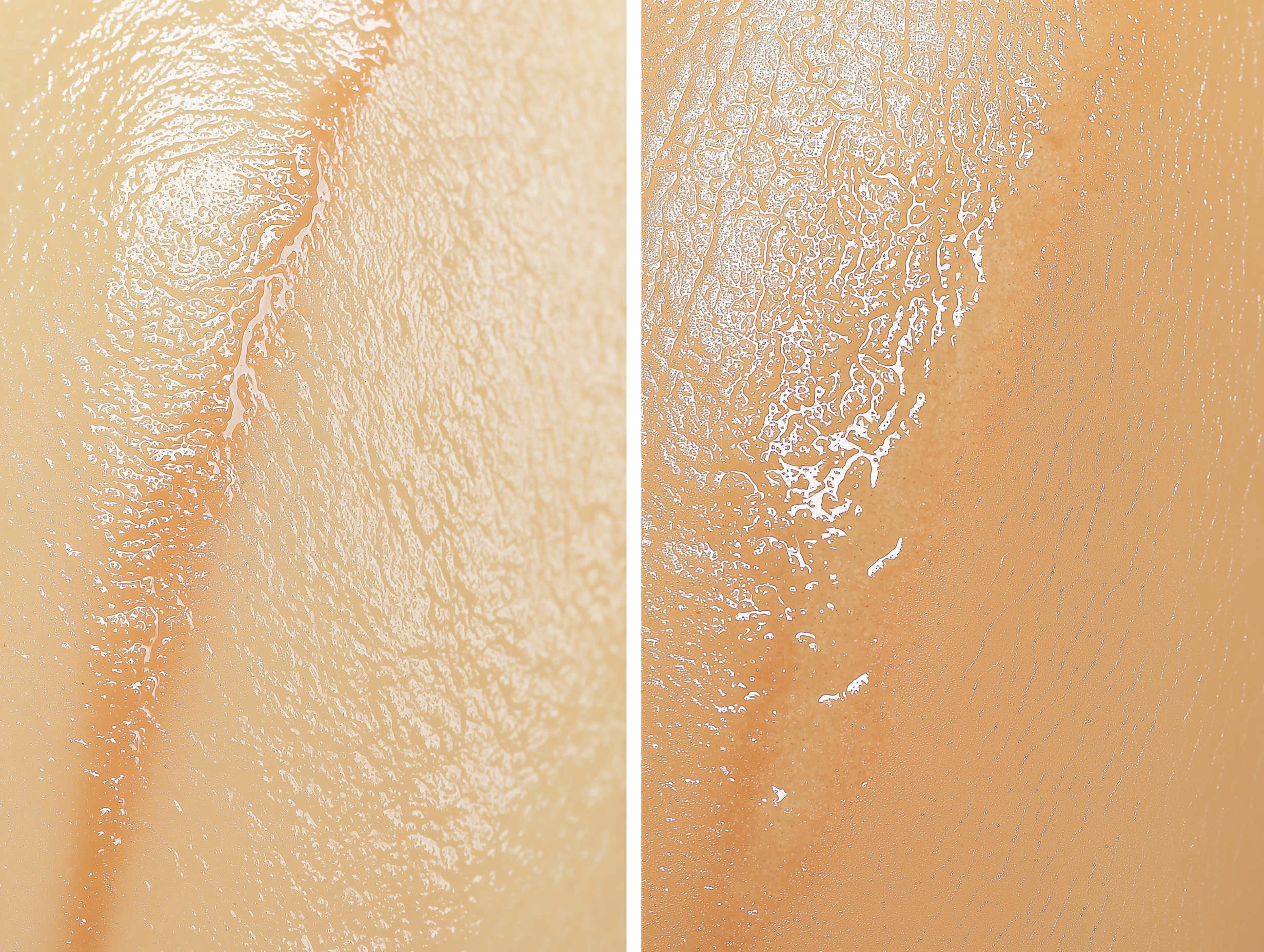
Stretch marks are one of the most common skin concerns in the world, and for decades the only options were topical creams with limited effect, expensive laser treatments with variable results, or simply learning to accept the marks. In the last 20 years, a fourth option has emerged: stretch mark camouflage tattooing. When performed by a skilled paramedical practitioner, this technique can dramatically reduce the visibility of stretch marks and transform how you feel in your own skin.
This guide walks you through how stretch mark camouflage actually works, who it is best for, what results to realistically expect, and how it compares to other approaches. It was written with input from Healing Skin Medical Aesthetics founder Dr. Cecilia Rusnak — an acupuncture physician, Doctor of Oncology Pain Management, and paramedical tattoo Master Trainer with over three decades of clinical experience. Dr. Rusnak is one of the leading specialists in stretch mark camouflage in the United States.
How Stretch Marks Form and Why They Are Hard to Treat
Stretch marks (medically known as striae distensae) form when skin is stretched faster than it can produce collagen and elastin to keep up. This is most common during pregnancy, rapid weight gain or loss, puberty growth spurts, and rapid muscle growth in athletes. The rapid stretching causes microscopic tears in the dermal layer, and the body heals these tears with scar-like tissue that has different pigmentation, texture, and reflective properties than surrounding skin.
In their early stage, stretch marks are typically pink, red, or purple (called striae rubrae) because of the inflammation and increased blood flow associated with fresh tissue damage. Over 12 to 24 months, most stretch marks fade to a lighter color than surrounding skin (called striae albae) because the scar tissue lacks the melanin-producing cells of normal skin. This final hypopigmented stage is what makes mature stretch marks visible: the lighter color creates contrast with the surrounding skin tone.
Traditional treatments struggle with mature stretch marks because the underlying tissue damage is permanent. Topical creams can moisturize surface skin but cannot replace the lost pigmentation. Laser treatments can improve texture and stimulate some collagen remodeling but typically cannot restore full color. The result is that patients often cycle through multiple treatments with limited success before discovering paramedical camouflage.
What Stretch Mark Camouflage Tattooing Actually Does
Paramedical stretch mark camouflage uses custom-blended medical-grade pigment, deposited at precise depth into the stretch mark tissue, to restore the color that the skin lost during the stretch-mark formation process. Once the pigment settles and heals, the visual contrast between the stretch mark and the surrounding skin is dramatically reduced. The stretch marks are still there structurally, but they stop drawing the eye.
This is fundamentally different from traditional decorative tattooing. The artist is not creating a design; they are matching pigment to your surrounding skin tone with enough precision that the treated stretch marks become visually indistinguishable from the skin around them. It requires specialized training, custom pigment blending on-site for each patient, calibrated needle depth for compromised tissue, and clinical understanding of how skin heals.
At Healing Skin Medical Aesthetics, Dr. Rusnak performs comprehensive skin tone analysis including Fitzpatrick typing and undertone assessment (warm, cool, or neutral), then custom-mixes pigments specifically for each patient. This on-site blending is essential because no off-the-shelf pigment will perfectly match any individual skin — particularly for darker skin tones where the margin for mismatch is smaller. See our full Brazilian stretch mark camouflage page for detailed treatment information.
Candidacy: Who Is a Good Candidate
Not every patient with stretch marks is an ideal candidate for camouflage tattoo. The most important factor is maturity. Stretch marks should be at least 12 months old (ideally 18 to 24 months), fully faded from red/pink to white/silver, and stable in appearance. Fresh red or purple stretch marks are too young — attempting camouflage on active stretch marks produces unpredictable results because the tissue is still changing.
Candidates should also be done having children if their stretch marks are on the abdomen or breasts, and should have reached a stable weight if their marks are weight-related. Pregnancy and rapid weight change can create new stretch marks and affect existing camouflage work, so timing treatment for after these life phases produces better results.
The patient should not be currently pregnant, breastfeeding, undergoing active chemotherapy or radiation, or have active skin conditions at the treatment site (eczema, psoriasis, infections, recent sunburn). The stretch marks should be on relatively flat, stable skin. Patients with significant loose skin may benefit from body contouring or skin tightening first, then return for camouflage once the skin has stabilized.
Finally, candidates need realistic expectations. Stretch mark camouflage reduces visibility significantly — typically by 60 to 90 percent — but does not erase the marks. Patients who understand and accept this are happy with their results; patients who expect complete elimination are sometimes disappointed even with excellent technical outcomes.
What the Treatment Process Looks Like
A stretch mark camouflage treatment plan typically spans 3 to 5 months with 2 to 4 clinical sessions. Here is what each stage looks like.
The initial consultation (45 to 60 minutes) covers a full medical history, examination of the stretch marks under clinical lighting, Fitzpatrick and undertone assessment, discussion of realistic outcomes for your specific case, and development of a treatment plan with transparent pricing. There is no procedure on this visit.
The first treatment session (60 to 90 minutes depending on size) begins with cleansing the treatment area, confirming the custom-blended pigment match under proper lighting, and depositing pigment with calibrated needle depth. Most patients describe the sensation as mild — similar to a light scratching feeling. Dr. Rusnak generally does not recommend topical numbing because it can affect pigment placement precision, though it is available if needed.
The initial healing period (first 2 weeks) involves some pink or red color at the treatment site, which is normal inflammatory response. The color softens and settles as the skin heals. Follow-up sessions (typically 2 to 4 total, spaced 6 to 8 weeks apart) layer additional pigment to refine color match and integration. Each session produces 20 to 80 percent improvement depending on skin response.
The final result becomes visible approximately 45 to 60 days after the last session, when pigment has fully settled into the dermal layer. Most patients see 5+ years of stability with proper aftercare, with some choosing a single maintenance session at year 5 to 7 for optimal ongoing integration.
Common Treatment Areas
Stretch mark camouflage can be performed on most body areas where stretch marks appear. The most common treatment zones are the abdomen (especially post-pregnancy), hips and outer thighs (from growth spurts or weight change), breasts (after pregnancy, breastfeeding, or weight change), buttocks, upper arms, lower back, and knees.
Different areas have different technical considerations. Breast stretch marks require particular care with pigment matching because breast skin tone often differs slightly from abdominal skin tone. Stretch marks on extremely tan-prone areas require more robust SPF protocol because pigment results can shift with sun exposure. Stretch marks in intimate areas require sensitivity to patient comfort and privacy, which is why having a trauma-informed clinical space matters.
At Healing Skin Medical Aesthetics, Dr. Rusnak treats every treatment area with the same clinical attention. The consultation covers specific considerations for your particular zones, including any anatomical variations that might affect treatment planning.
Alternatives and Complementary Treatments
Paramedical camouflage is not the only option for stretch marks, and sometimes combining approaches produces better results than any single treatment. For fresh red or pink stretch marks that are too young for pigment camouflage, laser treatment or microneedling can reduce redness and improve texture. These treatments can also be performed before pigment camouflage to improve the underlying tissue quality.
Advanced ISR Inkless treatment uses specialized micro-needling technique to stimulate collagen remodeling without adding any pigment. This is often the right choice for stretch marks that are still pigmented (red, pink, or darker than surrounding skin) and would not be good candidates for traditional pigment camouflage. ISR and pigment camouflage can also be combined for comprehensive treatment plans on complex cases.
Topical treatments with silicone or retinoid products have moderate evidence for improving stretch mark quality over 3 to 6 months of consistent use. These are worth trying for fresh stretch marks before they mature, but have limited effect on mature hypopigmented stretch marks where camouflage becomes the stronger option. The National Library of Medicine reviews the evidence base for various stretch mark treatments and confirms that no single topical approach is dramatically effective for mature stretch marks.
Why Clinical Background Matters for This Work
Stretch mark camouflage on a large body area — say, a full abdomen after pregnancy or combined hip-and-thigh coverage — is significantly harder than most paramedical work. The artist must maintain color consistency across a large area, work with tissue that may have slightly different properties in different zones, and calibrate needle depth across variations in skin thickness. Mistakes show up as visible color banding or patches that do not integrate.
This is where a practitioner’s clinical depth matters. Dr. Rusnak holds a Doctorate in Oncology Pain Management from Pacific College of Health and Science and a Master of Science in Oriental Medicine from the Florida College of Integrative Medicine. She completed advanced clinical internships in China and has been treating patients in her integrative wellness practice at AcuMedGroup Wellness Center since 2015. This clinical foundation informs every aspect of her paramedical work — from tissue assessment to pigment selection to patient aftercare guidance.
Patients travel from across the country to work with Dr. Rusnak specifically because of this combination of clinical depth and paramedical specialization. She is also one of the leading trainers in paramedical tattoo, and students come from across the United States and internationally to learn her techniques at Dr. Rusnak Academy.
Aftercare and Long-Term Results
Your aftercare during the healing window between sessions directly affects your final result. In the first 72 hours after each session, treat the skin as you would any healing procedure: no soaking (no baths, swimming, or hot tubs), gentle cleansing, no active skincare, no sun exposure, no makeup over the treated area.
From day 4 through the 6-to-8-week window before your next session, medical-grade aftercare products support optimal pigment settling and skin quality. The Dr. Rusnak Wellness product line includes body lotion and scar gel formulated specifically for skin that has been through paramedical treatment. Daily broad-spectrum SPF 30+ is essential; sun exposure can cause pigment to shift or fade unpredictably.
Between 6 and 12 months after your final session, your results are fully settled and integration is stable. With continued SPF use and occasional maintenance, most patients see 5+ years of excellent results. Some choose a single touch-up session at year 5 to 7 for optimal ongoing integration; others never need one.
Lifestyle factors matter for long-term stability. Pregnancy during or after stretch mark camouflage can create new stretch marks and affect existing work. Significant weight change (more than 20 pounds in either direction) can stretch or compress treated tissue. Patients with these factors should discuss timing with Dr. Rusnak during consultation to plan treatment around life circumstances.
Starting Your Stretch Mark Camouflage Journey
The best next step is a consultation where Dr. Rusnak can examine your specific stretch marks, assess candidacy, discuss realistic outcomes for your case, and develop a treatment plan if you are a good candidate. There is no pressure to book treatment on the consultation visit, and Dr. Rusnak is straightforward about cases where the best answer is to wait (for marks to mature), to try something else first (silicone treatment for fresh marks), or to combine approaches (ISR plus pigment camouflage for complex cases).
Stretch mark camouflage pricing at Healing Skin Medical Aesthetics ranges based on the size of the area being treated. Small zones (single breast, arms, limited hip area) typically range from $450 to $700 per session. Medium zones (hips and thighs, lower abdomen) range from $700 to $1,100. Large zones (full abdomen, buttocks, multiple areas) range from $1,100 to $1,500. Most patients require 2 to 4 sessions. Flexible financing through Cherry, Klarna, and Affirm is available at our financing page.
To schedule your consultation, call (689) 288-8011. If you would like to explore related treatments first, see our pages on scar camouflage, Advanced ISR Inkless, or 3D areola restoration to understand how paramedical treatments work across different concerns.