Dr. Rusnak Academy Mission — The 5 Honest Principles
Dr. Rusnak Academy mission is to train paramedical tattoo practitioners as healers, not just artists. This piece walks through the 5 honest principles behind the curriculum, why hands-on clinical practice is non-negotiable, and what our certification represents. For the Academy’s program overview, visit Dr. Rusnak Academy. Dr. Rusnak’s own account of why the Academy exists is in her essay Why an Academy, Why Now.
Transforming Students into Healers: The Mission Behind Dr. Rusnak Academy
Why paramedical tattoo training demands more than weekend workshops — and what it takes to produce practitioners who can work safely on cancer survivors, trauma patients, and compromised skin
By Dr. Cecilia Rusnak PhD, LME, DAc | Founder, Healing Skin Medical Aesthetics
Published 2026 | healing-skin.com/blog
Paramedical tattoo is not cosmetic. It is clinical work performed on scar tissue, reconstructed skin, and bodies that have been through medical trauma. Done well, it restores confidence and closes a chapter that patients often thought they would carry forever. Done poorly, it creates permanent, difficult-to-correct damage on already-compromised skin.
The difference between these outcomes is training. And the paramedical industry has been filling with practitioners who completed a weekend workshop and are now working on breast cancer survivors, trauma patients, and people whose scars are deeply personal. This is a problem.
Dr. Rusnak Academy was built to solve it.
This article explains the Academy’s mission, how it differs from other paramedical tattoo training programs on the market, and why the depth of training your future practitioners receive directly affects the outcomes of patients they will treat for the next 30 years.
The Problem This Academy Was Built to Solve
The paramedical tattoo industry has grown rapidly over the past decade. Patient demand has exploded as awareness of treatments for post-mastectomy reconstruction, scar camouflage, and stretch mark work has spread online. Training programs have multiplied to meet this demand. But not all training programs produce competent practitioners.
The fundamental problem is training depth.
A weekend workshop teaches someone to hold a machine. Two days of theory plus a couple of live practice sessions does not produce a clinician who can safely and effectively work on compromised tissue. Paramedical work requires:
- Understanding of skin physiology and scar biology
- Pigment chemistry and color theory
- Sterile technique to clinical standards
- Contraindication recognition (when NOT to proceed)
- Undertone analysis for diverse skin tones
- Patient communication when scars carry significant trauma
I built Dr. Rusnak Academy specifically to address this gap. As a working paramedical tattoo artist with over three decades of clinical experience — and a practitioner holding a Doctorate in Oncology Pain Management and a Master of Science in Oriental Medicine — I see patients who come to me after botched work from underqualified artists. I also see students emerging from other programs unprepared for the clinical reality of the work they are about to perform.
The Academy’s Mission: Training Healers, Not Technicians

Dr. Rusnak Academy’s mission is to produce paramedical tattoo artists who approach their work as healers rather than technicians. The distinction is more than semantic.
A technician executes a procedure. A healer understands the patient’s whole situation, communicates with clinical care, exercises judgment about when to proceed and when to wait, and takes responsibility for outcomes that will live in a patient’s body for years.
In practice, this mission shapes the entire curriculum.
Clinical foundations come first. Academy students spend significant time on skin physiology, scar biology across maturation stages, how compromised tissue responds differently to pigment than healthy skin, and how to recognize contraindications that make treatment inadvisable. They study color theory, Fitzpatrick typing, and undertone analysis until they can assess a patient’s skin confidently.
Sterile technique is non-negotiable. Students learn bloodborne pathogen protocols, single-use equipment discipline, and sterile setup to medical standards — not cosmetic industry standards.
Patient communication is part of the curriculum. How to conduct a consultation. How to discuss realistic expectations. How to handle patients who bring significant trauma to their scars. How to make the difficult phone call when a patient should be referred elsewhere. These skills matter because the patients who come in for paramedical work are often vulnerable, and the practitioner’s communication can either support their healing or add to their injury.
My own clinical practice at AcuMedGroup Wellness Center, where I have worked with oncology patients, veterans, and trauma survivors since 2015, informs every aspect of this training. I teach from direct clinical experience — not from memorized curriculum.
Why Hands-On Training With Live Models Matters

One of the most important distinctions between Dr. Rusnak Academy and other programs is the hands-on training with live models component. This is where theoretical training becomes clinical skill, and where most shortcut programs fall short.
Many competing programs offer “hands-on” training only on practice skins or latex pads. These materials have limited value because they do not respond the way real human skin responds. Pigment settles differently. Needle depth behaves differently. There is no patient to consult, no tissue to assess, no healing window to plan for. Students who graduate from these programs are not prepared for the patients they will treat on day one of their practice.
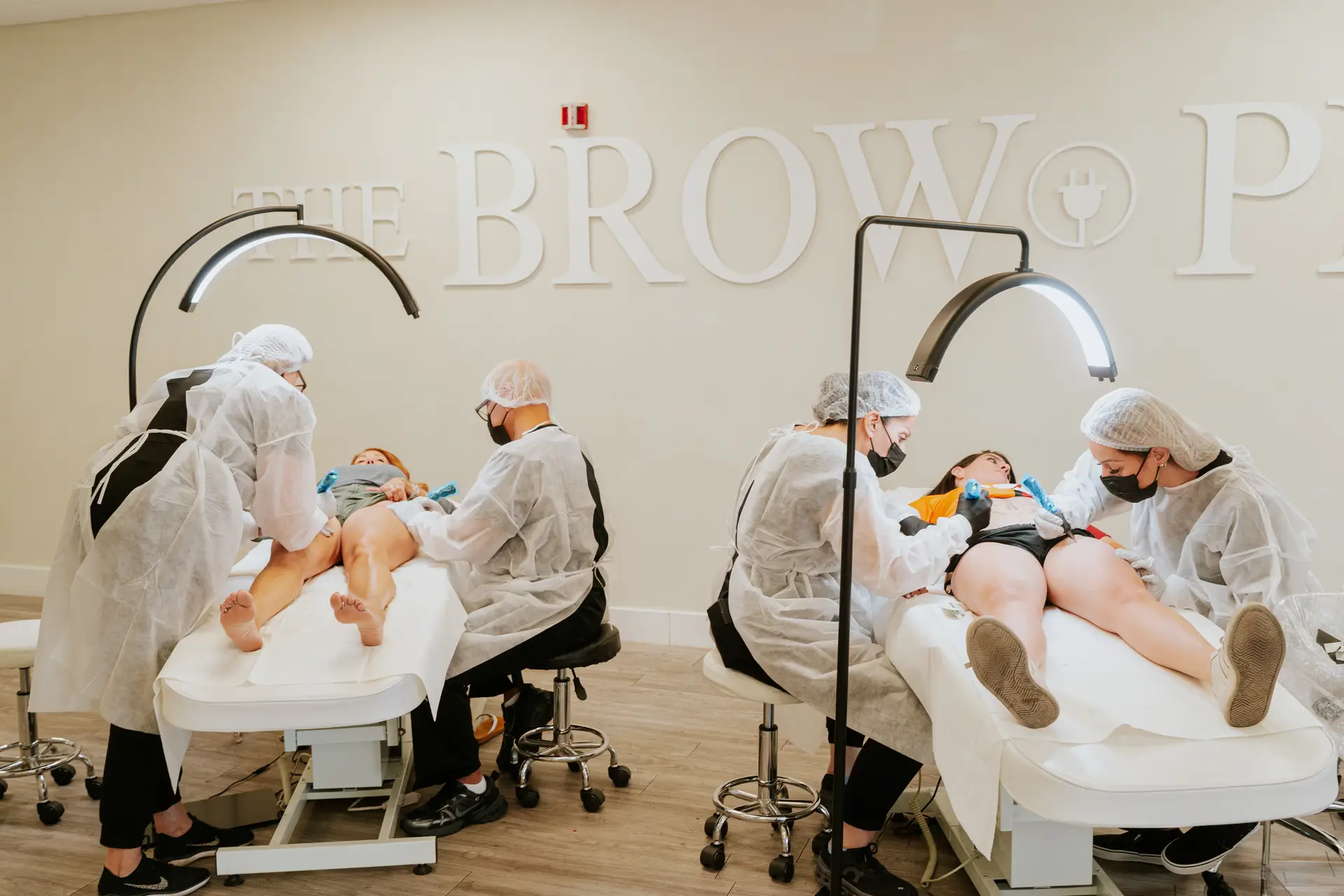
The Academy’s in-person training includes live model work under direct supervision. Students perform real procedures on real patients, with me present for assessment, technique correction, and clinical guidance. This is closer to medical residency training than to cosmetic tattoo workshops. Students come out of this training having actually done the work they will soon offer to paying patients — not just having read about it or practiced on latex.
The live model component also exposes students to the range of real-world variables they will encounter:
- Different skin tones (Fitzpatrick I-VI)
- Different scar types (surgical, traumatic, acne, stretch mark)
- Different patient temperaments and emotional states
- Different clinical situations that require different technique
No practice skin can prepare a student for a first-time consultation with a mastectomy survivor, a veteran with trauma scarring, or a patient who breaks down mid-session. Live training does.
The Program Structure
The core Dr. Rusnak Academy program is the 3-Day Paramedical Tattoo Certification. This is a $5,900 investment covering comprehensive training across three specialties. The format is one day of online coursework (theory, clinical foundations, color theory, protocols) followed by two days of in-person hands-on training with live models.
The $5,900 investment includes:
- Three separate certifications — scar camouflage, stretch mark camouflage, and Areola Color Restoration (3D areola technique) restoration (most competing $4,000-$5,000 programs certify you in one procedure)
- Professional NUE Conceal kit valued at over $4,000 — the same equipment used in active clinical practice at Healing Skin Medical Aesthetics
- Live model practice on diverse skin tones with media team capturing portfolio photos
- Six months of post-training mentorship with me personally
- Bloodborne pathogens certification
- Business startup framework including pricing, model calls, and social media content
- Insurance and billing education including CPT codes and physician referral workflows
Specialty masterclasses:
The Academy also offers specialty training for practitioners seeking to expand their expertise:
- Areola Color Restoration Masterclass — $3,999 for 3 days
- Powder Botox Masterclass — $2,350 for 6 hours
Beyond the core programs, I provide ongoing education through continuing workshops, online refreshers, and community access for graduates. The paramedical industry evolves constantly, and graduate support matters for practitioners building their skills over years rather than weeks.
Why Clinical Background in the Instructor Matters

The person teaching you matters at least as much as the curriculum. Paramedical tattoo instruction delivered by someone with only a paramedical tattoo background is missing layers of context that an instructor with genuine clinical depth can provide.
When your instructor has treated oncology patients for pain, has worked with trauma survivors in clinical settings, and understands skin as a medical system rather than just a canvas, that depth informs what they can teach.
My credentials include:
- Doctorate in Oncology Pain Management from Pacific College of Health and Science
- Master of Science in Oriental Medicine from the Florida College of Integrative Medicine
- Advanced clinical internships at Yunnan University of Traditional Chinese Medicine and Kunming Yuan An Hospital
- Over 15 years of practice at AcuMedGroup Wellness Center specializing in oncology pain management, trauma recovery, and veteran care
- Over three decades of paramedical tattoo experience
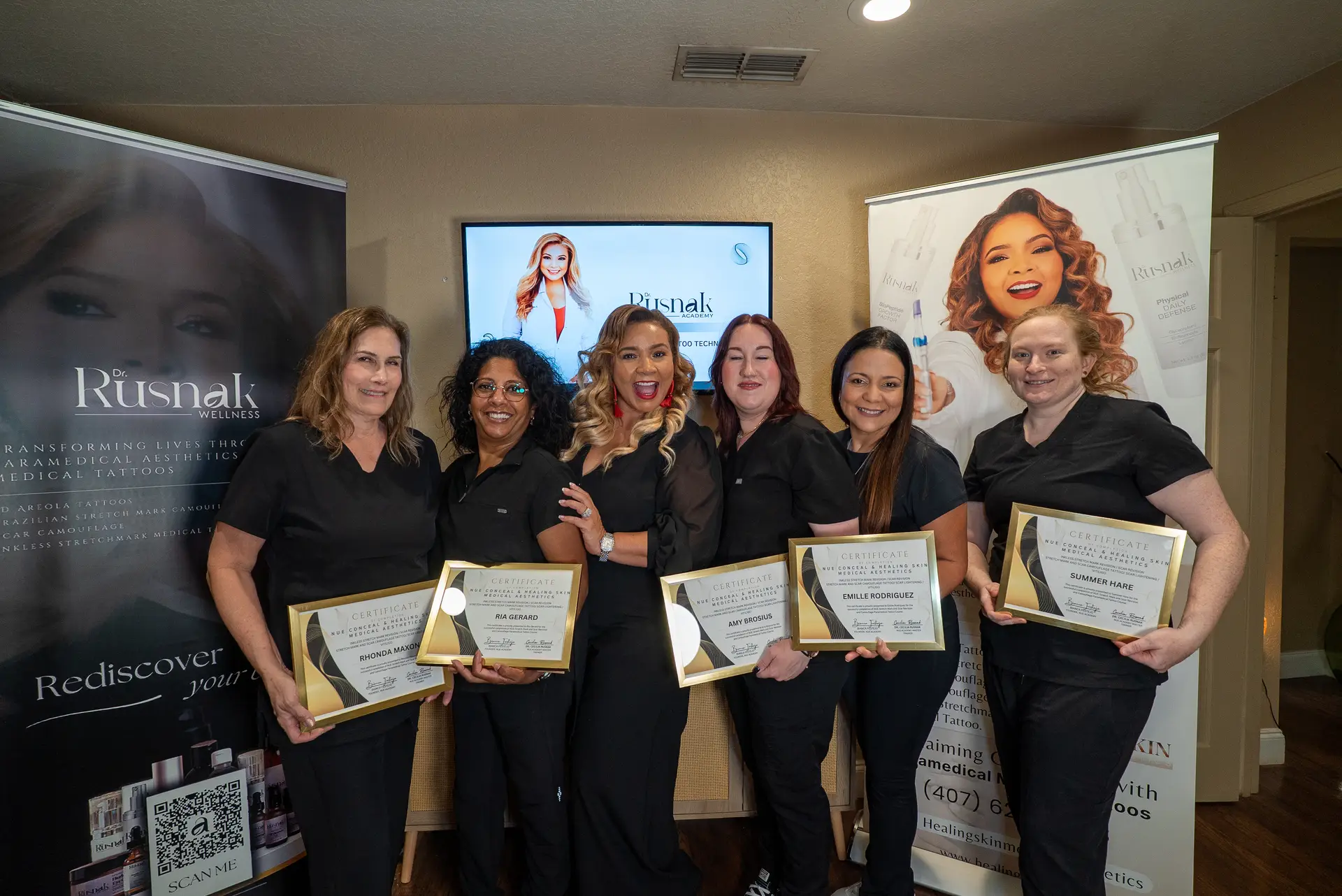
Students travel from across the country to train with me specifically because of this combination of clinical depth and paramedical specialization. Practitioners across the Southeast, Northeast, and Midwest have studied under me at some point in their career.
The Connection to Clinical Practice
Dr. Rusnak Academy does not operate in isolation. It is directly connected to Healing Skin Medical Aesthetics, my working clinical practice in Kissimmee, Florida. This connection is valuable for students in several practical ways.
Students see active clinical work during training. The live model component of the Academy draws from Healing Skin Medical Aesthetics patients who have consented to participate in training sessions. This means students work with real patients in a real clinical setting — not in a teaching-only environment disconnected from actual practice.
The curriculum reflects current clinical reality. Techniques taught in the Academy are techniques I am currently using with patients. Materials, pigments, and protocols are aligned with what works in real practice — not with what looked good in a textbook a decade ago.
Graduates learn to run a practice, not just perform procedures. Students watch me run a clinic, see how consultations work, observe patient flow, and absorb operational context that pure teaching programs cannot provide. This operational knowledge is often the difference between a graduate who builds a successful practice and one who struggles with the business side of paramedical work.
Who the Academy Is For

Dr. Rusnak Academy is not the right program for everyone. It is the right program for a specific type of student:
- Someone who approaches this work with clinical seriousness
- Someone who understands that patient outcomes matter more than fast certification
- Someone willing to make a substantial financial and time commitment to proper training
The ideal student has existing experience in aesthetics, medical aesthetics, nursing, cosmetic tattoo, or a related field. Complete beginners occasionally enroll, but graduates with prior clinical or aesthetic experience tend to have an easier time integrating the depth of content. The ideal student also has or is planning to build an established practice where they can perform the work consistently — paramedical skill deteriorates if it is not used regularly.
The Academy is NOT the right fit for someone looking for the fastest, cheapest certification possible. There are $1,500 weekend programs available, and they produce certifications. If the goal is a piece of paper to hang on the wall, those programs are available. If the goal is to become a practitioner who can safely and effectively work on cancer survivors, burn survivors, and trauma patients, the Academy’s depth is the investment that makes that goal realistic.
The Future of Paramedical Tattooing
Paramedical tattoo as a field is moving toward higher standards.
Medical recognition is expanding. The American Society of Plastic Surgeons now includes nipple and areola tattooing on its list of post-reconstruction options. Insurance coverage for post-mastectomy paramedical work has expanded in many states. Hospital-affiliated programs for paramedical care are opening around the country.
This maturation of the field is good for patients and good for practitioners with genuine training. It also raises the bar.
Practitioners without proper clinical foundation will increasingly find themselves:
- Unable to work with medical referrals
- Unable to participate in hospital programs
- Competing against better-trained colleagues for an informed patient base
- Losing out on insurance-eligible work that requires clinical credentials
The market is slowly but surely rewarding depth over speed, quality over volume. Dr. Rusnak Academy graduates are positioned well for this future. They enter the field with clinical foundation, real hands-on experience, and training that aligns with where the industry is going. Academy graduates have gone on to practice, partner with medical teams, and become trainers themselves.
Evaluating Any Paramedical Training Program Before You Enroll
Whether you are considering Dr. Rusnak Academy or another program, ask these questions before committing:
- Is a professional equipment kit included, or will I need to purchase supplies separately? What is the retail value?
- How many certifications will I receive? One procedure, or all the main paramedical specialties?
- Will I work on live models with real scar tissue, or only on latex practice skins?
- How long does mentorship last after class ends? Time-limited, or ongoing?
- Does the program cover insurance documentation, CPT codes, and physician referral strategies?
- What business startup support is provided? Will I know how to get clients after certification?
- Who is the lead instructor, and what is their clinical background and training experience?
- Is the program affiliated with a recognized clinical practice, or only a standalone academy?
The answers to these questions separate training programs that produce capable practitioners from those that produce certifications on paper but not skills in hand.
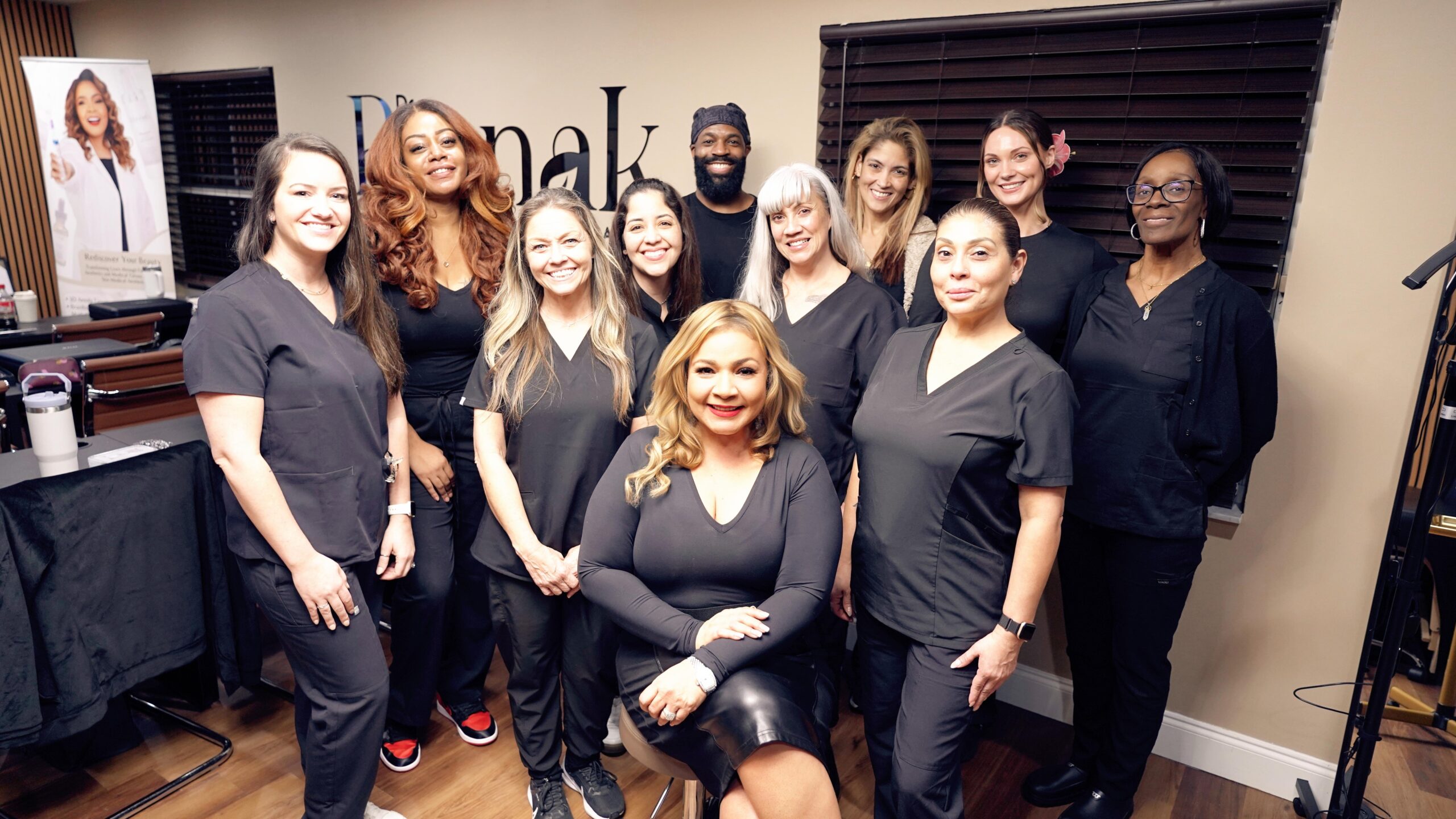
Ready to Build a Career in Paramedical Tattooing?
Dr. Rusnak Academy offers Academy-issued certifications in Paramedical Tattoo and 3D Areola Restoration — led by Dr. Cecilia Rusnak PhD, LME, DAc, with 32 years of clinical experience. Classes run in Orlando, New York, Houston, and Las Vegas.
Upcoming 2026 training dates are available at our enrollment booking page. A $1,000 deposit holds your seat, with financing available through Cherry, Klarna, and Affirm at our financing page.
Have questions before enrolling? Call or text the Academy at 321-478-2332 to speak with our training team.
Schedule a Call to Learn More and Reserve Your Seat
Frequently Asked Questions
How much does paramedical tattoo training at Dr. Rusnak Academy cost?
The core 3-Day Paramedical Tattoo Certification is $5,900, which includes a professional NUE Conceal kit valued at over $4,000, three separate certifications, lifetime mentorship, and full business startup framework. A $1,000 deposit reserves your seat.
Do I need prior tattoo or aesthetics experience to enroll?
No prior tattoo experience or aesthetician license is required. Students with existing experience in aesthetics, nursing, or medical aesthetics generally have an easier time integrating the curriculum, but complete beginners with serious commitment can and do succeed.
Is financing available for paramedical tattoo training?
Yes. Financing is available through Cherry (Pay-in-4 interest-free or 0% APR 3-12 months), Klarna, and Affirm. Apply at book.healing-skin.com/financing. Installment plans with the Academy are also available.
Where does Dr. Rusnak Academy hold classes?
Classes run in Orlando, New York, Houston, and Las Vegas throughout 2026. The online theory component is completed before in-person sessions, so students arrive ready to focus on hands-on technique.
How quickly can I recover my training investment after certification?
Most graduates recover their full $5,900 investment within the first 3 to 6 months of active practice. Scar camouflage sessions range from $400-$1,500, areola restoration from $600-$2,500, and stretch mark work similarly.
What makes Dr. Rusnak Academy different from weekend workshops?
Three things: (1) clinical depth in curriculum, taught by a doctor with medical credentials and over three decades of clinical experience; (2) live model hands-on practice rather than latex-only training; (3) ongoing post-graduation mentorship rather than a certificate and goodbye.
ABOUT THE AUTHOR

Dr. Cecilia Rusnak PhD, LME, DAc is the founder of Healing Skin Medical Aesthetics and Dr. Rusnak Academy. Dr. Rusnak is a state-licensed Acupuncture Physician holding a Doctorate in Oncology Pain Management from Pacific College of Health and Science and a Master of Science in Oriental Medicine from the Florida College of Integrative Medicine. She is the owner of AcuMedGroup Wellness Center, where her clinical background in integrative medicine and skin physiology directly informs her approach to paramedical tattoo training. With over three decades of clinical experience, Dr. Rusnak has trained practitioners nationwide in advanced scar camouflage, stretch mark revision, 3D areola tattooing, and inkless skin restoration techniques.
Students also gain access to the Dr. Rusnak Wellness skincare line, a professional-grade product collection developed to support post-procedure healing and client aftercare protocols taught during the certification program.
DISCLAIMER
Pricing information in this article reflects publicly available data as of 2026 and may change. Income projections are estimates based on reported student outcomes and are not guaranteed. Individual results vary based on location, effort, and market conditions. Paramedical tattoo is a clinical procedure; candidacy and outcomes should always be evaluated by a qualified practitioner.
For more information on professional standards and certification requirements in paramedical tattooing, visit the Society of Permanent Cosmetic Professionals (SPCP), which administers the Certified Paramedical Tattoo Professional (CPTP) designation.
Earn Your Credential at Dr. Rusnak Academy
Dr. Rusnak Academy issues its own private certification in paramedical tattooing. It is not a government or state licensing body.. Four formal training tracks — Paramedical Tattoo Certification, 3D Areola Masterclass, Powder Botox Masterclass, and Mastering Paramedical Billing — taught and examined by Dr. Cecilia Rusnak PhD, LME, DAc.