
First Chemical Peel — 7 Honest Things to Know
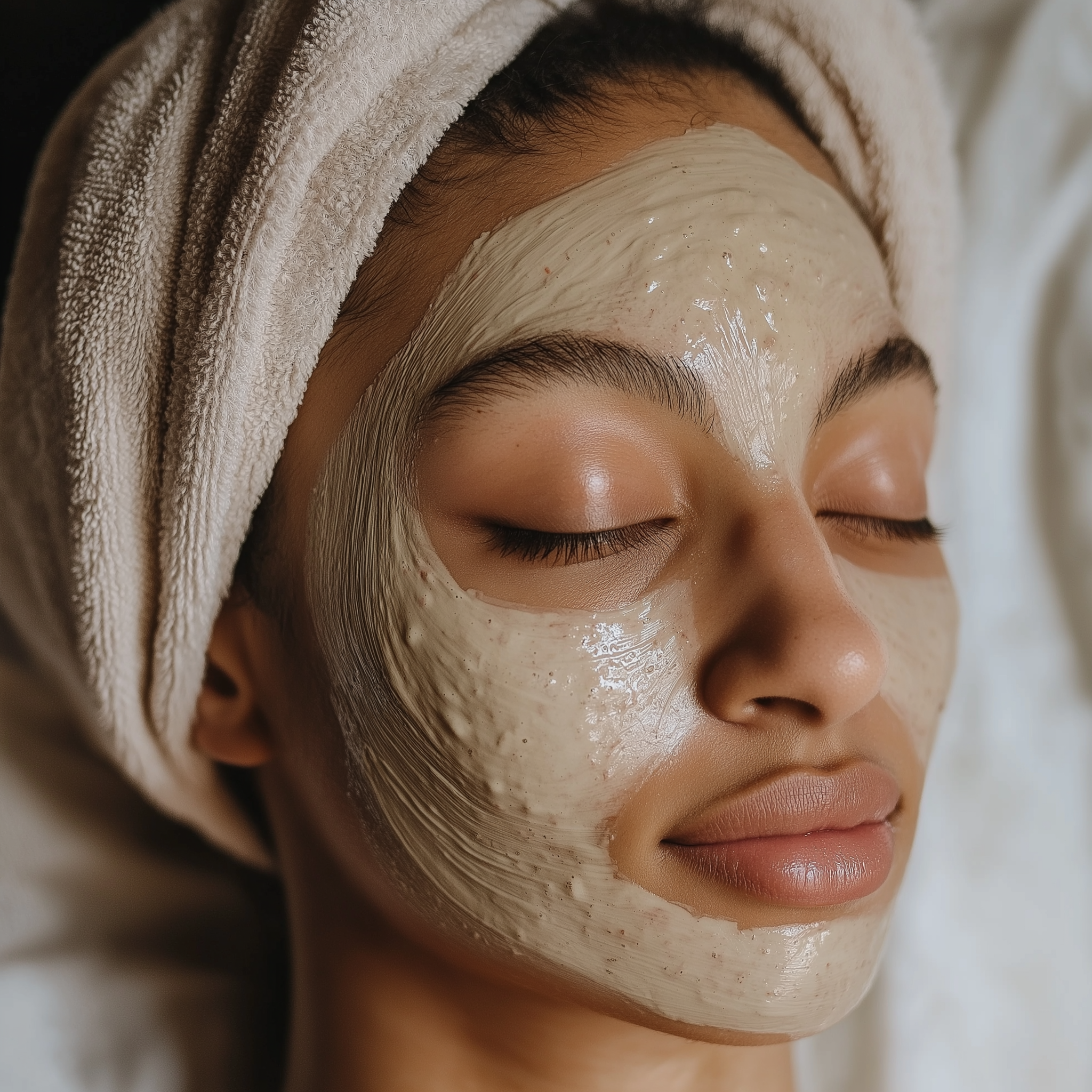
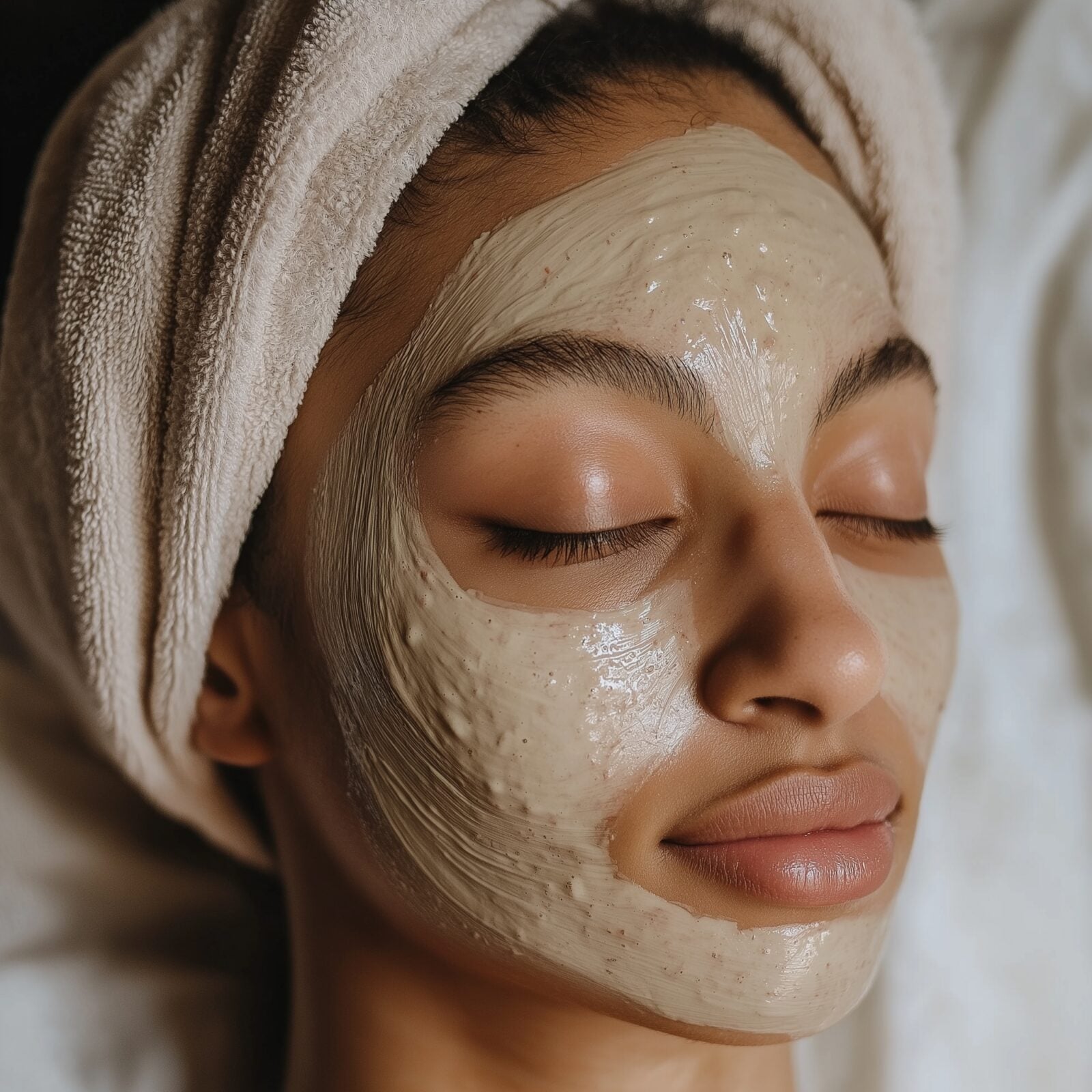
First chemical peel is a topic many readers want to understand fully — and this guide breaks it down. You have been hearing about chemical peels for years. Friends mention them. Your skincare routine has plateaued. Your esthetician suggests one. You are considering booking your first appointment — and you want to know what you are actually getting yourself into before you commit. This is the guide for you.
This article walks you through what a chemical peel actually does, the different types available, what happens during and after a session, who makes a good candidate, and how to prepare for the best possible outcome. It was written with input from Healing Skin Medical Aesthetics founder Dr. Cecilia Rusnak — an acupuncture physician and Doctor of Oncology Pain Management with over three decades of clinical experience performing and teaching medical aesthetic treatments.
What a Chemical Peel Actually Is
A chemical peel is a controlled exfoliation treatment that uses a specialized acid or enzyme solution applied to the skin to dissolve the bonds holding dead skin cells together. This accelerates the skin’s natural shedding process, reveals the fresher skin underneath, and triggers a cellular renewal response that improves texture, tone, and clarity over the following weeks.
Despite the name, a chemical peel does not necessarily make your skin visibly “peel” in sheets. Light peels produce minimal visible flaking. Medium-depth peels produce some visible exfoliation over 3 to 5 days. Deep peels produce significant peeling over 7 to 10 days. The depth of peel you choose depends on your skin concerns, your tolerance for downtime, and your clinician’s judgment about what your skin can handle safely.
The clinical mechanism varies by acid type. Glycolic acid (the most common alpha hydroxy acid, or AHA) dissolves surface bonds and improves texture and tone. Salicylic acid (a beta hydroxy acid, or BHA) penetrates into pores and is particularly effective for oily or acne-prone skin. Lactic acid is gentler and hydrating, good for sensitive skin. Trichloroacetic acid (TCA) works at medium depth for more dramatic results. Stronger peels use phenol or layered combinations for deeper effect.
The Three Main Peel Depths
Understanding peel depth helps you know what to expect and what to ask for. Different depths produce different results and require different recovery windows.
Light or “lunchtime” peels use mild acid concentrations (glycolic 20-30%, salicylic 15-20%, lactic 30-50%) that affect only the outermost layer of skin. Results are subtle but cumulative; most patients benefit from a series of 4 to 6 peels spaced 2 to 4 weeks apart. Downtime is minimal — mild redness for a few hours and slight flaking over 1 to 3 days. This is a good starting point for first-time peel patients.
Medium-depth peels use higher acid concentrations (glycolic 50-70%, TCA 20-35%, Jessner’s solution) that penetrate into the upper dermal layer. Results are more dramatic, targeting concerns like hyperpigmentation, moderate fine lines, sun damage, and acne scarring. Downtime is 5 to 7 days with visible peeling and significant redness. These peels typically produce noticeable improvement in a single session but may be repeated every 3 to 6 months.
Deep peels use strong acid formulations (phenol, high-concentration TCA) that reach well into the dermis. These produce dramatic results for significant sun damage, deep wrinkles, and scarring, but require 10 to 14 days of downtime with significant peeling. Deep peels are usually one-time treatments rather than a series, and are typically performed only in medical settings due to the recovery intensity. Most first-time peel patients should not start with deep peels.
Who Is a Good Candidate for a First Peel
Most healthy adults are candidates for at least a light chemical peel. The ideal first-time candidate has stable skin without active conditions, has used sunscreen consistently for at least 6 weeks leading up to the peel, has not used retinoids or strong exfoliants in the week before treatment, and has realistic expectations about results.
Contraindications that make a peel inadvisable include active eczema or psoriasis at the treatment site, active herpes or cold sores, recent isotretinoin (Accutane) use — typically requiring a 6-to-12-month washout period, pregnancy or breastfeeding (for most acids), significant active acne requiring dermatologic management first, and significant photosensitive conditions.
Skin tone is an important factor. Fitzpatrick I-III skin (lighter tones) generally responds predictably to most peel formulations. Fitzpatrick IV-VI skin (darker tones) requires more careful acid selection and concentration because darker skin carries higher risk of post-inflammatory hyperpigmentation (PIH). For darker skin, a qualified clinician will typically start with gentler formulations at lower concentrations, watch response carefully, and build up over multiple sessions rather than attempting dramatic results in one visit.
Consultation with a trained medical aesthetics professional is important before your first peel. A good consultation includes a skin assessment, discussion of your specific concerns, review of your current skincare routine and any active ingredients you are using, evaluation of contraindications, and recommendation of the appropriate peel type and depth for your situation.
What Happens During a Peel Session
A typical chemical peel session runs 45 to 75 minutes depending on the depth and additional treatments combined. Here is a walkthrough of a standard light-to-medium peel.
The session begins with skin cleansing to remove oils and debris. This ensures the acid can penetrate evenly. Your clinician will typically do a pre-treatment assessment, confirming your skin’s current state and any changes since consultation. Eye protection may be applied for peels near the eye area.
The acid solution is then applied systematically, usually starting at the forehead and working down. Most patients feel warmth, tingling, or a mild stinging sensation — this is normal and is called “frosting” when the acid is at full working strength. Dr. Rusnak monitors your skin response continuously and determines when to neutralize or remove the solution based on how your skin is responding, not just a timer.
After the acid is neutralized, a calming, hydrating mask or serum is typically applied. Broad-spectrum mineral SPF is applied before you leave because your skin is now more vulnerable to UV damage. Dr. Rusnak provides specific aftercare instructions customized to your peel depth, including what products to use, what to avoid, and what to watch for during healing.
Most first-time peel patients are surprised by how routine the experience feels. The “peel” happens over the following days — during the session itself, you simply relax while the acid does its work.
Recovery and Aftercare
What you do in the days after your peel affects your results at least as much as the peel itself. Improper aftercare can cause uneven results, pigmentation issues, or diminished outcomes even from an excellent peel.
Day 1 (same day): Your skin may feel tight, warm, or slightly sensitive. Apply the gentle moisturizer recommended by your clinician. Avoid touching the treated area unnecessarily. Do not use any active skincare products (retinoids, vitamin C, exfoliants) — these will irritate recovering skin. Drink plenty of water.
Days 2-4: Light peels may show minimal flaking. Medium peels will begin visible peeling. Continue gentle cleansing once or twice daily with a non-foaming cleanser. Apply hydrating moisturizer. Broad-spectrum SPF 30+ is mandatory every morning and reapplied every 2 hours if you are outside. Do not pick, peel, or scrape any flaking skin — let it shed naturally. Pulling attached skin damages the fresh tissue underneath.
Days 5-7: Most peeling is complete by this point for light and medium peels. Your skin may appear smoother, brighter, and slightly pink. Continue gentle skincare and sun protection. You may cautiously reintroduce gentle moisturizer with niacinamide or hyaluronic acid. Avoid heavy sweating, pool water, saunas, and any treatment requiring microneedles or abrasion.
Week 2 onward: Full results emerge as the new skin settles. Most patients notice better texture, more even tone, brighter appearance, and better product absorption. Gradually reintroduce active skincare over 2 to 3 weeks, starting gentle and building up. Plan your next peel (if you are doing a series) for 3 to 4 weeks after the first.
The Dr. Rusnak Wellness product line includes peel-specific aftercare products formulated for skin recovering from clinical treatment. The BioPeptide Serum supports healing during the regeneration window, and the Needle-less Hyaluronic Serum provides gentle, deep hydration without irritation during the sensitive days after peel.
Common Concerns and Misconceptions
“Will I look terrible at work afterward?” For light peels, no — most patients return to work the same day or next day with minor flaking manageable with moisturizer. Medium peels may require 3 to 5 days away from public-facing roles. Deep peels require significant visible recovery time. Choose your peel depth based on your schedule and tolerance for visible recovery.
“Are peels safe for darker skin?” When performed by a qualified clinician with experience on your skin tone, yes. The National Library of Medicine documents the clinical evidence for chemical peels on skin of color, with proper technique adjustments. Dr. Rusnak carefully selects acid type and concentration based on your specific skin tone and history to minimize risk of post-inflammatory hyperpigmentation.
“Is more pain better results?” Not necessarily. Stronger stinging during a peel indicates deeper penetration but also higher risk of complications. A well-designed peel protocol achieves the clinical result with the minimum trauma necessary. “No pain, no gain” does not apply to chemical peels.
“Can I just do peels at home?” Consumer-grade peel products sold direct-to-consumer are at much lower concentrations than professional peels — typically 10% glycolic or 2% salicylic compared to 30-70% professional strengths. At-home products can provide gentle maintenance exfoliation but cannot replace the clinical benefits of a properly-performed professional peel.
Which Peel Type Addresses Which Concern
Different peel formulations target different skin concerns, and matching the right acid to your primary concern produces the best results. Here is a practical guide to peel selection by concern.
For dullness and rough texture, glycolic acid (an alpha hydroxy acid) is typically the best starting point. Glycolic works on the surface to dissolve dead cell bonds, revealing brighter, smoother skin underneath. A series of 4 to 6 glycolic peels at 30-50% concentration produces transformative improvement in skin quality.
For oily, acne-prone, or congested skin, salicylic acid (a beta hydroxy acid) is more effective than glycolic. Salicylic is oil-soluble, allowing it to penetrate into pores and dissolve the debris inside. For active acne, a series of salicylic peels at 15-30% concentration often produces significant improvement when combined with appropriate at-home skincare.
For hyperpigmentation (dark spots, melasma, post-inflammatory marks), a combination approach usually works best. Jessner’s solution or a mandelic-and-salicylic blend targets pigment in the upper dermis. For deeper pigmentation, TCA at 15-35% concentrations reaches into the layer where pigment cells reside. These peels require more expertise to deploy safely, particularly on darker skin tones.
For fine lines and early aging, medium-depth peels (TCA 20-30%) combined with home retinoid use produce the most notable improvement. For deep wrinkles, chemical peels may be combined with other modalities like microneedling, RF, or dermal fillers for comprehensive treatment plans.
Dr. Rusnak helps patients navigate these choices during consultation. Your primary concern, skin tone, current skincare routine, previous peel experience, and available recovery time all factor into the optimal peel selection for your first treatment.
How Chemical Peels Fit in a Complete Skincare Plan
Peels work best as part of a comprehensive skincare strategy, not as a standalone treatment. The right plan typically combines daily medical-grade skincare (including SPF), clinical treatments at regular intervals (peels, facials, microneedling), and any advanced treatments appropriate for your specific concerns.
Dr. Rusnak often recommends combining light peels with signature facials, collagen induction therapy, LED therapy, or microdermabrasion with LED for comprehensive skin rejuvenation plans. Her background in integrative health through her practice at AcuMedGroup Wellness Center informs how she approaches skin as part of whole-person wellness.
For most patients, a 4-to-6 peel series over 3 to 6 months produces transformative results, followed by maintenance peels every 2 to 3 months. Combined with appropriate at-home medical-grade skincare, this approach maintains excellent skin quality long-term.
Booking Your First Chemical Peel Consultation
The best first step is a consultation where Dr. Rusnak can assess your specific skin, review your medical history and current skincare routine, discuss your concerns and goals, evaluate any contraindications, and recommend the right peel type and depth for your situation. This consultation ensures your first peel is set up for success rather than being a trial-and-error experience.
Chemical peel pricing at Healing Skin Medical Aesthetics ranges from $145 to $295 for single sessions depending on peel depth, with series packages offering meaningful savings for patients committing to a multi-peel plan. Financing through Cherry, Klarna, and Affirm is available at our financing page. To schedule your consultation and first peel, call (689) 288-8011.
If you want to explore other skincare treatment options first, see our pages on glycolic acid facials, microdermabrasion, or our Powder Botox treatment to understand how different clinical treatments address different skin concerns.
Timing Your First Chemical Peel
Timing your first chemical peel matters more than you might expect. Most experienced estheticians recommend scheduling your first chemical peel during cooler months (October through March in Florida) because peeling skin is temporarily more sensitive to sun exposure. If you must schedule during summer, plan for 7-10 days of diligent sun avoidance and daily SPF 30+ minimum.
Preparing Your Skin for Your First Chemical Peel
Two weeks before your first chemical peel, discontinue active ingredients (retinol, glycolic acid, benzoyl peroxide, hydroquinone). One week before your first chemical peel, stop waxing, threading, or laser hair removal in the treatment area. The day of your appointment, arrive with clean skin and no makeup. These simple preparations significantly reduce the risk of unexpected irritation or complications.
What to Expect After Your First Chemical Peel
For your first chemical peel, expect redness for 24-48 hours, followed by visible peeling on days 3-5. Use gentle cleansers, avoid picking or pulling peeling skin, apply moisturizer frequently, and commit to daily SPF 30+. Results continue developing for 2-3 weeks. For comprehensive guidance, see our medical facials page.
Continue Your Results at Home
Recommended take-home support from Dr. Rusnak’s physician-formulated skincare line. Shop the full collection on Dr. Rusnak Wellness →

Qi C+ Corrective Serum
A stabilized Vitamin C + peptide serum we recommend to clients receiving your first chemical peel. It brightens post-inflammatory pigment, evens skin tone, and primes the dermis for collagen synthesis — apply each morning under SPF for compounding effect.

Calm Flow Water Cream
A lightweight gel-cream built for the reactive, dehydrated skin most clients experience after your first chemical peel. Peptides and humectants calm flushing, rebuild the moisture barrier, and absorb without occluding — safe to layer over actives and SPF.

Healing Support SPF 40
Healing Support SPF 40 is the daily UV armor we send home with clients receiving your first chemical peel. Broad-spectrum mineral SPF prevents pigment shift, post-inflammatory hyperpigmentation, and premature fading — apply every morning, reapply mid-day.