Best Scar Camouflage Techniques — 5 Honest Approaches
Scar camouflage is not a single technique. It is an umbrella term for a family of different clinical approaches, each suited to different scar types, skin tones, and patient goals. A patient with a pink post-surgical scar that is still actively maturing needs a fundamentally different approach than a patient with a mature, hypopigmented mastectomy scar. Understanding these differences is the first step toward choosing a treatment plan that actually works for your situation.
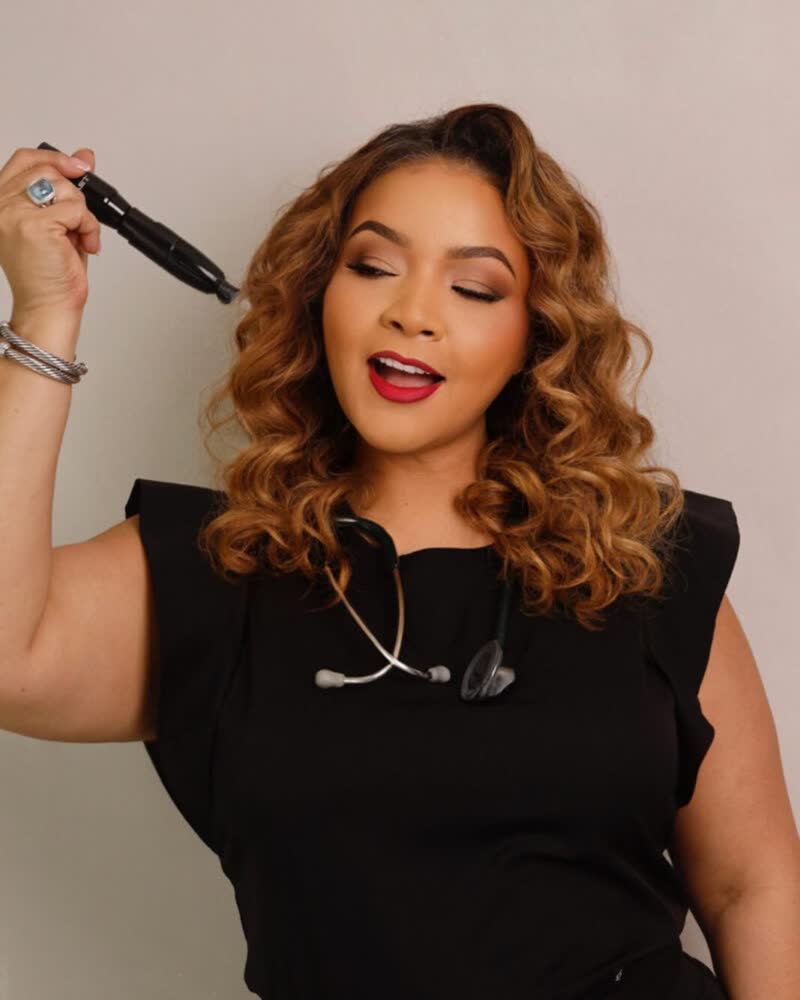
This guide explains the core scar camouflage techniques used in modern paramedical practice, when each is appropriate, what results to realistically expect, and how experienced clinicians combine techniques for complex cases. It was written with input from Healing Skin Medical Aesthetics founder Dr. Cecilia Rusnak — an acupuncture physician and Doctor of Oncology Pain Management with over three decades of clinical experience.
Understanding What “Scar Camouflage” Means Clinically
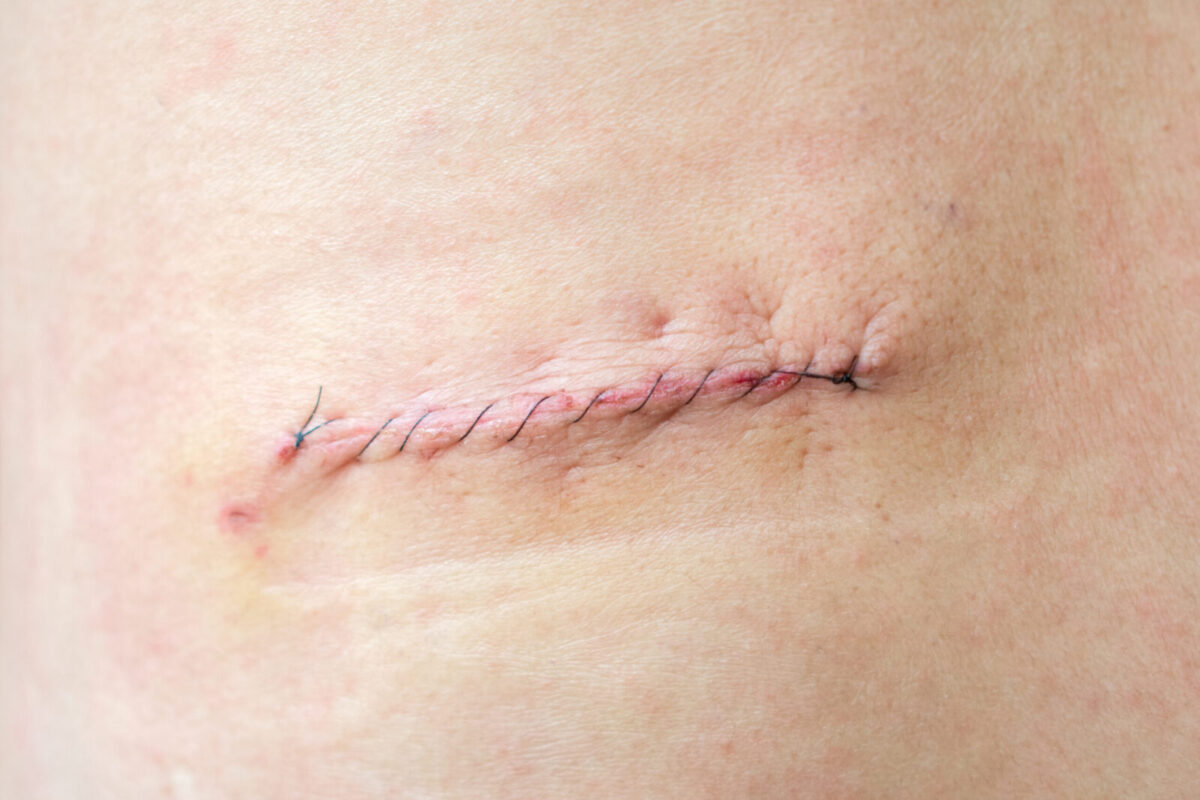
Scar camouflage in the paramedical context refers to clinical techniques that reduce the visual contrast between a scar and the surrounding skin, so the scar becomes less noticeable. Importantly, camouflage does not remove scars. The scar tissue remains in place; what changes is how visible it is to an observer, how well it integrates with surrounding tissue, and in some cases, how it feels to the touch.
This distinction matters because it shapes realistic expectations. Patients who come in hoping for complete scar removal are often better served by scar revision surgery, laser resurfacing, or a combination of treatments before or alongside camouflage. Patients who understand that scars become part of the body permanently, and whose goal is integration rather than erasure, are typically better candidates for paramedical camouflage techniques.
The main modalities of clinical scar camouflage include paramedical tattoo pigment integration, inkless scar revision (ISR) to remodel the scar tissue itself, professional camouflage makeup systems for daily use, combined approaches that layer multiple techniques, and supportive treatments like microneedling and silicone therapy that improve scar quality before camouflage work begins.
Paramedical Tattoo Pigment Camouflage
Paramedical tattoo camouflage is the most direct approach to scar integration. A trained clinician custom-blends medical-grade pigment to match the patient’s surrounding skin tone, then deposits the pigment into the scar at precisely calibrated depth. Over 2 to 4 sessions spaced 6 to 8 weeks apart, the scar becomes visually integrated with the surrounding skin.
This technique works best on scars that meet specific candidacy criteria: mature (at least 12 months old), flat or near-flat, lighter than surrounding skin (hypopigmented), stable without ongoing changes, and on skin without active conditions. Raised keloid or hypertrophic scars, fresh red or pink scars still in maturation, or scars over unstable tissue are typically not good candidates for direct pigment camouflage.
Color matching is the hardest part of this work and the skill that most distinguishes experienced artists from beginners. Dr. Rusnak performs a full Fitzpatrick skin type assessment combined with undertone analysis (warm, cool, or neutral), then custom-mixes pigments for each patient on-site. The same pigment blend will produce different results on different skin tones, so there is no “off the shelf” approach. Proper blending is particularly important for darker skin tones (Fitzpatrick IV-VI), where mismatched pigment becomes more obvious and more difficult to correct.
Healed results from paramedical tattoo camouflage typically last 5 to 10 years before any touch-up is needed. Some patients never need a touch-up; others choose one at the 5-to-7-year mark to maintain optimal integration. Learn more about the clinical process on our dedicated scar camouflage page.
Advanced ISR Inkless Scar Revision
Advanced ISR (Inkless Scar Revision) takes a fundamentally different approach. Rather than depositing pigment into the scar, ISR uses a specialized micro-needle pattern to stimulate the skin’s own healing response. This triggers collagen remodeling, improves texture, and reduces visible contrast without adding any pigment. It is particularly effective for scars that are not good candidates for traditional pigment camouflage.
ISR is often the better choice for fresh or still-darker scars that are too young for pigment camouflage, for raised scars where adding pigment could worsen visibility, for textured scars where improvement in smoothness matters as much as color, and for patients who prefer to avoid pigment for personal or cultural reasons. It is also often used as a first-stage treatment before pigment camouflage, preparing the scar tissue for better pigment integration later.
The technique requires 3 to 5 sessions spaced 6 to 8 weeks apart, with results developing progressively over 8 to 12 weeks after each session as collagen remodels. Most patients see 20 to 40 percent improvement per session, with the most dramatic results visible about 3 months after the final session. Because ISR uses the body’s own healing response rather than depositing foreign material, results typically last several years with no need for maintenance. See the dedicated page on our Advanced ISR Inkless treatment for full details.
Camouflage Makeup as a Clinical Tool
Medical-grade camouflage makeup occupies a legitimate place in the scar camouflage toolkit, particularly for patients whose scars are not yet candidates for paramedical tattoo or who prefer a non-permanent approach. Professional brands like Dermablend Professional, Kryolan Dermacolor, Keromask, and Covermark offer high-pigment, long-wear formulations specifically designed for covering significant skin variations.
A well-constructed camouflage makeup routine starts with color correction (neutralizing whatever tone the scar carries), then a pigmented foundation matched to the surrounding skin, and finishes with a setting powder or fixing spray for durability. Done well, this approach can make a scar nearly invisible for 8 to 16 hours of wear.
The main limitations of camouflage makeup are time and maintenance. Daily application typically takes 10 to 20 minutes, and removal must be done carefully each night to prevent product buildup on compromised tissue. For patients who use camouflage makeup long-term, these minutes add up. Many patients eventually transition from daily makeup to paramedical tattoo once their scar matures — read our direct comparison of makeup vs. paramedical tattoo for details on when each approach fits best.
Techniques for Darker Skin Tones
Scar camouflage on Fitzpatrick IV-VI skin tones requires different technique than on lighter skin, and not every paramedical practitioner has the training to do it well. Darker skin carries different pigmentation risks, responds differently to the microneedle trauma of paramedical work, and requires pigment blends with different underlying tones (typically warmer with more red and gold undertones) than lighter skin.
Dr. Rusnak has built significant expertise specifically around darker skin tones, and this is an area where her training is particularly valuable. Artists without this training can produce results that look gray or ashy on deeper skin tones because their standard pigment blends were developed for lighter skin. The National Library of Medicine research on paramedical tattooing on skin of color confirms that specialized technique and skin-tone-matched pigment systems are essential for good outcomes.
For patients with Fitzpatrick IV-VI skin, we strongly recommend consulting with an artist specifically experienced in deeper skin tones, reviewing healed-work portfolio photos of similar skin tones, and if possible, requesting a test spot on a small inconspicuous area before committing to full treatment. The extra diligence is worth it — poorly-done paramedical tattoo on dark skin is difficult to correct, but excellent work produces transformative integration.
Combined Approaches for Complex Scars
Complex scars often benefit from combining multiple camouflage techniques rather than relying on a single approach. A post-mastectomy patient with surgical scars, hypopigmented areas, and areola loss may need Areola Color Restoration (3D areola technique) restoration, scar camouflage pigment work, and potentially ISR on specific sections — all integrated into a coordinated treatment plan. A trauma survivor with scars across multiple body areas may benefit from ISR for texture improvement followed by pigment camouflage for color integration.
Combined approaches require careful sequencing. Generally, treatments that improve scar quality come before treatments that add pigment. This means ISR or microneedling to remodel the scar tissue first, then pigment camouflage once the tissue has stabilized. Skipping this sequencing can produce pigment that sits on top of poor-quality tissue and fades or shifts unpredictably.
Dr. Rusnak often designs multi-treatment plans that span 6 to 12 months, with individual sessions of different techniques scheduled in a specific order. This is where clinical judgment matters most — knowing what to treat first, how long to wait between techniques, and when a patient’s scar has stabilized enough for the next stage. Her background in oncology pain management and her integrative wellness practice at AcuMedGroup Wellness Center inform how she approaches the whole patient, not just the scar.
Supportive Treatments Before Camouflage
Before camouflage techniques can produce their best results, the scar itself often needs support. Scars that are still actively maturing, still changing color, or sitting in compromised tissue will not integrate well with pigment or respond optimally to ISR. This is where supportive treatments come in.
Silicone-based products (sheets or gels) have been shown in multiple clinical studies to improve scar quality when used consistently over 12 to 24 weeks. They work by maintaining hydration and moderating the trans-epidermal water loss that drives excess collagen production in hypertrophic scars. Good silicone products include ScarAway, bioCorneum, and Kelo-Cote. These are worth using for at least 3 months on fresh scars before attempting any camouflage work.
Microneedling (also called collagen induction therapy) can improve scar texture and skin quality before pigment camouflage. By stimulating new collagen and remodeling existing scar tissue, microneedling creates a better foundation for pigment integration. Medical-grade aftercare products from the Dr. Rusnak Wellness line support healing during this preparation phase.
Sun protection is the most-overlooked but most-important supportive treatment. Scars are significantly more susceptible to UV damage than surrounding skin, and sun exposure causes permanent hyperpigmentation that makes camouflage work harder and less stable. Broad-spectrum SPF 30+ daily, applied year-round to any visible scar, is non-negotiable during camouflage preparation and for years afterward.
What Results to Realistically Expect
Even the best scar camouflage techniques produce integration, not elimination. It is important to understand what “success” looks like so you can evaluate outcomes honestly. A well-done paramedical tattoo scar camouflage typically substantially reduces the visibility of the scar; it becomes much less noticeable but is still there on close inspection.
Most patients report that after a completed treatment series, people who do not know the scar is there generally do not notice it. Close family or intimate partners still know the scar is there but describe it as “much less visible” or “hard to see unless you’re looking for it.” Medical professionals who know the scar’s history can still identify it. This level of integration is typically enough to restore confidence in daily life, clothing choices, and intimate settings.
Healing time varies by technique. Pigment camouflage shows initial results immediately but requires 45 to 60 days for pigment to fully settle, and the full series takes 3 to 6 months. ISR shows progressive improvement over 3 to 6 months per session. Combined approaches can span 6 to 12 months. Patience is essential; the tissue is healing and remodeling in ways that take time, and early results are not final results.
How to Begin: Consultation and Assessment
The right scar camouflage approach for you depends entirely on your specific scar, your skin, your medical history, and your goals. No online guide can substitute for a clinical consultation with an experienced paramedical practitioner who can assess your situation in person.
At Healing Skin Medical Aesthetics, Dr. Rusnak offers consultations where she examines your scar in proper clinical lighting, discusses your medical history and any contraindications, evaluates your skin tone and undertone, and gives you an honest assessment of what results are realistic for your specific case. If paramedical tattoo camouflage is the right approach, she develops a treatment plan with transparent pricing. If ISR is a better fit, or if your scar needs supportive treatment first before camouflage can work, she will tell you that directly — including when the honest answer is that your scar is not yet ready for clinical camouflage.
There is no pressure to book treatment, no attempt to upsell, and no judgment if the best answer for your situation is to wait 6 months or to try professional camouflage makeup first. To schedule your consultation, call (689) 288-8011. If you prefer, explore related treatments including 3D areola restoration, Brazilian stretch mark camouflage, or Advanced ISR Inkless to see which techniques fit your needs.
Continue Your Results at Home
Recommended take-home support from Dr. Rusnak’s physician-formulated skincare line. Shop the full collection on Dr. Rusnak Wellness →

Scar Repair Silicone Gel
Medical-grade silicone is the gold standard for protecting freshly treated tissue. Used twice daily after paramedical scar camouflage techniques, it keeps the area hydrated, softens texture, reduces redness, and locks in your results during the critical settling weeks.

Anti-Aging Body Moisturizer with Retinol
A retinol-driven body cream that picks up where paramedical scar camouflage techniques leave off. It firms, smooths, and reinforces collagen turnover on stretch marks, slack skin, and treated body zones — use nightly to extend your in-clinic results.

Healing Support SPF 40
Healing Support SPF 40 is the daily UV armor we send home with clients receiving paramedical scar camouflage techniques. Broad-spectrum mineral SPF prevents pigment shift, post-inflammatory hyperpigmentation, and premature fading — apply every morning, reapply mid-day.