
Diet for stretch marks matters more than most patients realize — collagen synthesis depends on specific nutritional building blocks, and gaps in any one of them measurably worsen stretch mark formation during high-demand periods like pregnancy, growth spurts, or weight changes. This guide walks through 7 evidence-based dietary factors Dr. Cecilia Rusnak emphasizes with patients, plus what does not actually help despite the marketing, and how nutrition fits into the broader picture of stretch mark prevention and treatment alongside the Brazilian stretch mark camouflage protocol.
Why Diet for Stretch Marks Matters (The Biology)
Diet for stretch marks works through one primary mechanism: providing the building blocks for dermal collagen and elastin synthesis. Your dermis is constantly remodeling — old collagen breaks down and new collagen is built — and during high-demand periods (pregnancy, growth, weight change), the rate of new construction has to keep pace with mechanical demand. If nutritional inputs are inadequate, fibroblasts produce less collagen, the dermis weakens, and stretch marks form more easily.
The specific nutrients matter because each plays a distinct role. Some are direct building blocks (amino acids that make collagen). Some are cofactors (vitamins and minerals that enable the enzymatic steps of collagen assembly). Some are protective (antioxidants that prevent damage to existing collagen). When any of these is in short supply, the whole system slows down. This is why diet alone cannot prevent stretch marks if genetics and mechanics drive them strongly — but diet matters as a leverage point for reducing severity, especially when combined with other factors.
For the underlying causes that diet helps address, see our companion guide on the causes of Brazilian stretch marks.
Factor 1 — Adequate Protein (The Foundation)
Protein provides the amino acids that fibroblasts use to build collagen. Specifically, the amino acids glycine, proline, and hydroxyproline are the structural backbone of type I and type III collagen. Most patients consume enough total protein but not always in the right pattern for collagen synthesis.
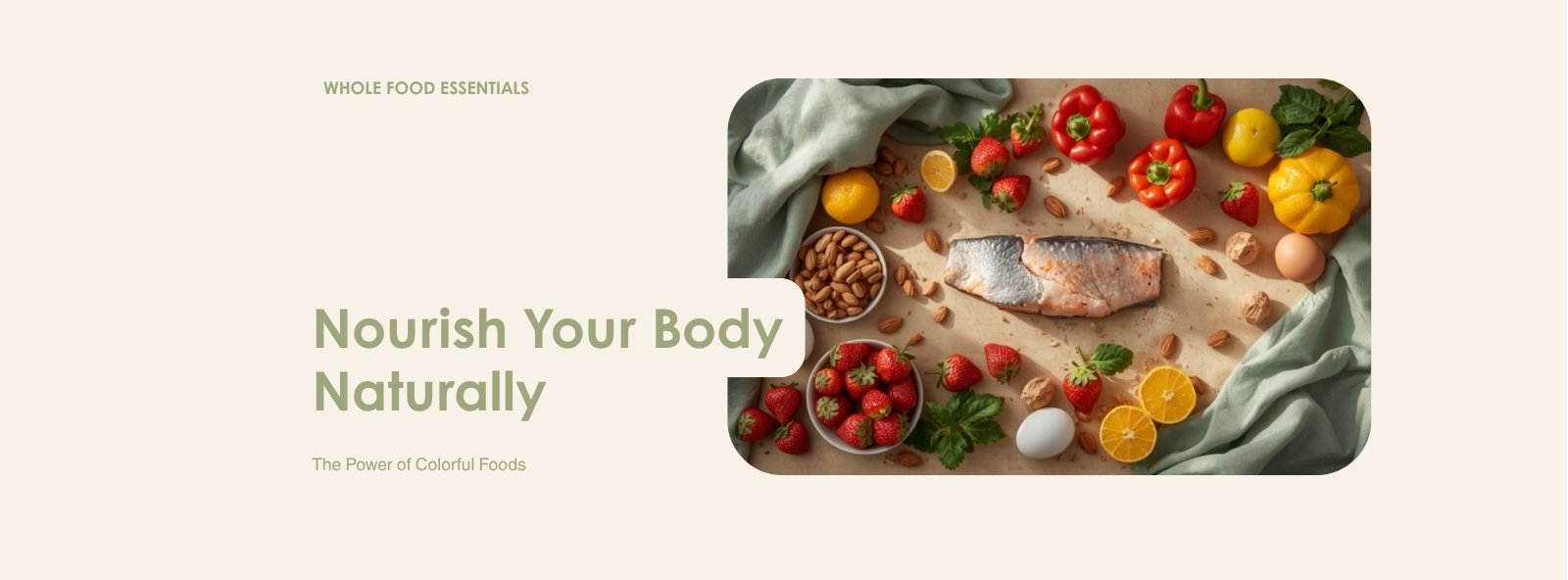
The clinical target is 0.8 to 1.2 grams of protein per kilogram of body weight per day for adults, rising to 1.1 to 1.5 g/kg during pregnancy (second and third trimesters) and 1.3 to 1.7 g/kg for breastfeeding mothers. For a 150-pound non-pregnant woman, this is roughly 55 to 80 grams per day. During pregnancy, this rises to 75 to 100 grams. Sources rich in collagen-supporting amino acids include bone broth (highest glycine content of common foods), eggs (complete amino acid profile), chicken with skin, fish, beans, and lentils.
Many patients under-eat protein at breakfast specifically, which means collagen synthesis is depressed during the first half of each day. Distributing protein roughly evenly across meals (20-30 grams per meal) produces measurably better collagen biomarkers than the typical light-breakfast, heavy-dinner pattern.
Factor 2 — Vitamin C (The Essential Cofactor)
Vitamin C is required for the hydroxylation of proline and lysine residues during collagen assembly — without it, collagen fibers do not cross-link properly and the resulting tissue has lower tensile strength. Frank vitamin C deficiency (scurvy) is rare in modern diets, but suboptimal intake is common, especially among women of reproductive age who limit fresh fruit and vegetable intake.
The clinical recommendation is 200 to 500 mg per day for adults, prioritizing food sources over supplements. Excellent sources include red and yellow bell peppers (190 mg per cup), oranges and grapefruit (70 mg per medium fruit), strawberries (85 mg per cup), kiwi (70 mg each), broccoli and cauliflower (60 mg per cup cooked), and tomatoes (25 mg per cup). The advantage of food sources is the co-occurring flavonoids and bioactive compounds that enhance vitamin C absorption and protect it from oxidation.
Vitamin C is water-soluble and excess is excreted, so over-supplementing has no benefit beyond about 500 mg per day for most people. Smoking dramatically increases vitamin C requirements and is independently a strong stretch mark risk factor — another reason smoking cessation is on the prevention list.
Factor 3 — Zinc (Often-Overlooked Cofactor)
Zinc is a cofactor for matrix metalloproteinases (the enzymes that remodel collagen during repair) and for the alkaline phosphatase that supports dermal mineralization. Zinc deficiency is more common than vitamin C deficiency in Western diets, especially in vegetarians and patients with high-fiber diets that bind dietary zinc.
The clinical recommendation is 8 to 11 mg per day, rising to 11 to 12 mg during pregnancy and 12 to 13 mg while breastfeeding. Best sources are oysters (74 mg per 3 oz), beef (7 mg per 3 oz), pumpkin seeds (2.2 mg per ounce), cashews (1.6 mg per ounce), chickpeas (1.3 mg per cup), and yogurt (1 mg per cup). Plant-based zinc has lower bioavailability than animal sources, so vegetarians often benefit from 50 to 100 percent higher intake targets.
Factor 4 — Copper (Elastin’s Essential Cofactor)
Copper is required for elastin cross-linking via the enzyme lysyl oxidase. Elastin is what gives dermis its snap-back capacity — when copper is low, elastin fibers form but cross-link poorly, and the dermis loses its ability to recover after stretching.
The clinical target is 0.9 to 1.3 mg per day. Best sources include shellfish (especially oysters and lobster), beef liver (highest concentration of any food), dark chocolate (0.5 mg per ounce), cashews and almonds, sesame seeds, and shiitake mushrooms. Copper deficiency is rare in mixed diets but can occur in patients on long-term high-zinc supplements (zinc and copper compete for absorption) or in patients with bariatric surgery histories.
Factor 5 — Vitamin E and Other Antioxidants
Vitamin E protects existing collagen from oxidative damage. Free radicals generated by UV exposure, smoking, and metabolic stress can damage collagen fibers — vitamin E intercepts these radicals before they reach the dermal tissue. Adequate intake is 15 mg per day; sources include almonds (7 mg per ounce), sunflower seeds (7 mg per ounce), avocado (4 mg per medium fruit), salmon, and spinach.
Other useful antioxidants include vitamin A (carrots, sweet potato, leafy greens — but avoid retinoid supplements during pregnancy), selenium (Brazil nuts contain a full daily dose in one nut), and polyphenols from berries, green tea, and dark chocolate. The combined effect of a varied antioxidant intake matters more than individual high doses.
Factor 6 — Adequate Healthy Fats
Skin barrier function and dermal hydration capacity depend on adequate fatty acids — particularly omega-3s and monounsaturated fats. Inadequate fat intake produces dry skin that tolerates stretching poorly.
Target intake: at least 20 to 35 percent of total calories from fat, with emphasis on omega-3 sources (fatty fish 2 to 3 times per week, walnuts, flaxseed, chia seeds) and monounsaturated sources (olive oil, avocado, nuts). Trans fats and high-fructose corn syrup consumption is associated with worse collagen synthesis and should be minimized.
For specific lifestyle approaches that complement nutrition, see our lifestyle prevention guide.
Factor 7 — Hydration (Underrated)
Adequate hydration keeps the dermis pliable and supports the lymphatic drainage that removes inflammatory byproducts of mechanical stress. Dehydrated dermis is measurably more brittle and tears more easily under stretch.
The minimum target is 30 ml of water per kilogram of body weight per day — for a 150-pound adult, that is roughly 2 liters (about 8 cups). Rising to 35-40 ml/kg during pregnancy, breastfeeding, hot weather, or active training. Caffeinated and alcoholic beverages have mild diuretic effects but still contribute net positive hydration. The simplest practical measure is urine color — pale yellow indicates adequate hydration, dark yellow indicates a deficit.
What Diet Cannot Do (Honest Limits)
Diet for stretch marks is leverage — not a cure. Even with optimal nutrition, patients with strong genetic predisposition and significant mechanical demand (pregnancy, rapid weight changes) will often develop stretch marks. The honest claim is that diet reduces severity by perhaps 20 to 40 percent based on the available evidence, which is meaningful but not transformative.
Diet also cannot reverse already-mature stretch marks. Once striae have transitioned to Stage 3 (white/silver scar tissue), no dietary intervention restores normal dermal architecture. At that point, the conversation shifts from prevention to treatment — and Brazilian camouflage becomes the most effective option for color matching mature striae back to surrounding skin tone.
Common Dietary Myths About Stretch Marks
Myth: “Collagen supplements rebuild your skin’s collagen.” Oral collagen is broken down into amino acids during digestion — your body then uses those amino acids however it sees fit, not necessarily to rebuild dermal collagen. The protein matters; the “collagen” label does not.
Myth: “Drinking water fixes stretch marks.” Hydration is one factor among 7. By itself it has modest effect.
Myth: “Gelatin every morning prevents stretch marks.” Gelatin is a source of collagen amino acids — but no different from chicken or fish for collagen building purposes.
Myth: “Carb-free / keto diets prevent stretch marks.” No evidence supports this. Adequate protein matters; carbohydrate restriction is irrelevant to dermal collagen synthesis.
Frequently Asked Questions
Should I take supplements or eat whole foods? Whole foods first. Supplements only fill specific gaps your diet cannot fill — and most patients can hit targets through food alone with planning.
Are bone broth and collagen powders worth it? Bone broth provides glycine, which is somewhat underrepresented in typical Western diets — it has some value as one element of a varied protein intake. Collagen powders are essentially expensive protein with marketing.
What about pregnant patients with morning sickness who cannot eat much? Focus on protein and vitamin C even in small amounts. Berries, yogurt, eggs, and broth-based soups are usually tolerable and nutrient-dense.
Does diet help mature stretch marks? No. Once Stage 3, the marks need clinical treatment like camouflage. Diet matters before marks form, not after.
How long before I see results from diet changes? Collagen turnover takes weeks to months. Expect 3 to 6 months of consistent nutrition before measurable changes in skin quality — and most of the benefit shows up as prevention of new marks, not reversal of existing ones.
The Honest Bottom Line
Diet for stretch marks works through 7 specific factors — adequate protein, vitamin C, zinc, copper, vitamin E, healthy fats, and hydration. Each is meaningful, but the combined effect matters more than any single nutrient. Diet reduces severity but cannot fully prevent stretch marks if genetic and mechanical factors are strong. For marks that have already matured, the conversation shifts to treatment — see our Brazilian Stretch Mark Camouflage page for the next step.
Sample 1-Day Eating Plan for Stretch Mark Prevention
A typical day that hits all 7 factors for a 150-pound non-pregnant adult: Breakfast — 2 eggs scrambled with spinach and red bell pepper (protein 14g, vitamin C 95mg, zinc 1.5mg, copper trace, healthy fats from eggs); plus a glass of water and an orange (vitamin C 70mg). Mid-morning — a small handful of almonds (vitamin E 4mg, protein 6g, copper 0.3mg) and another glass of water.
Lunch — 4 oz grilled chicken breast over mixed greens with avocado, sunflower seeds, and lemon vinaigrette (protein 30g, vitamin E 5mg, healthy fats, vitamin C from lemon and greens). Glass of water with lunch. Afternoon snack — Greek yogurt with strawberries and chopped walnuts (protein 15g, vitamin C 50mg, omega-3s from walnuts, zinc 1mg, hydration boost).
Dinner — 5 oz wild salmon with sweet potato and steamed broccoli (protein 35g, omega-3s 2g, vitamin A from sweet potato, vitamin C 50mg from broccoli, copper from salmon). Glass of water with dinner. Evening — a square of dark chocolate (copper 0.3mg, polyphenols) and herbal tea. Daily totals: protein ~100g (covers up to 1.5 g/kg target), vitamin C ~265mg, zinc ~8mg, vitamin E ~12mg, omega-3 ~3g, water ~2L. This is a realistic, satisfying day that hits every factor without supplements.
Adjusting for Pregnancy and Breastfeeding
During pregnancy (especially second and third trimesters), bump protein to 75-100g per day (add a third snack with cheese or extra protein at meals), increase vitamin C to 250-400mg daily (extra fruit or peppers), and add 5-10g of healthy fats (avocado, olive oil). Iron and folate are critical for fetal development but separate from stretch mark prevention specifically — your prenatal vitamin covers those.
During breastfeeding, protein needs rise to 90-115g daily, water to 3-3.5 liters daily (milk production drives this), and calories by roughly 450-500 per day above pre-pregnancy maintenance. The nutrient-dense calories matter — empty calories from processed foods do not support either milk supply or dermal repair.