
Best Facial Aftercare — 7 Honest Day-by-Day Steps
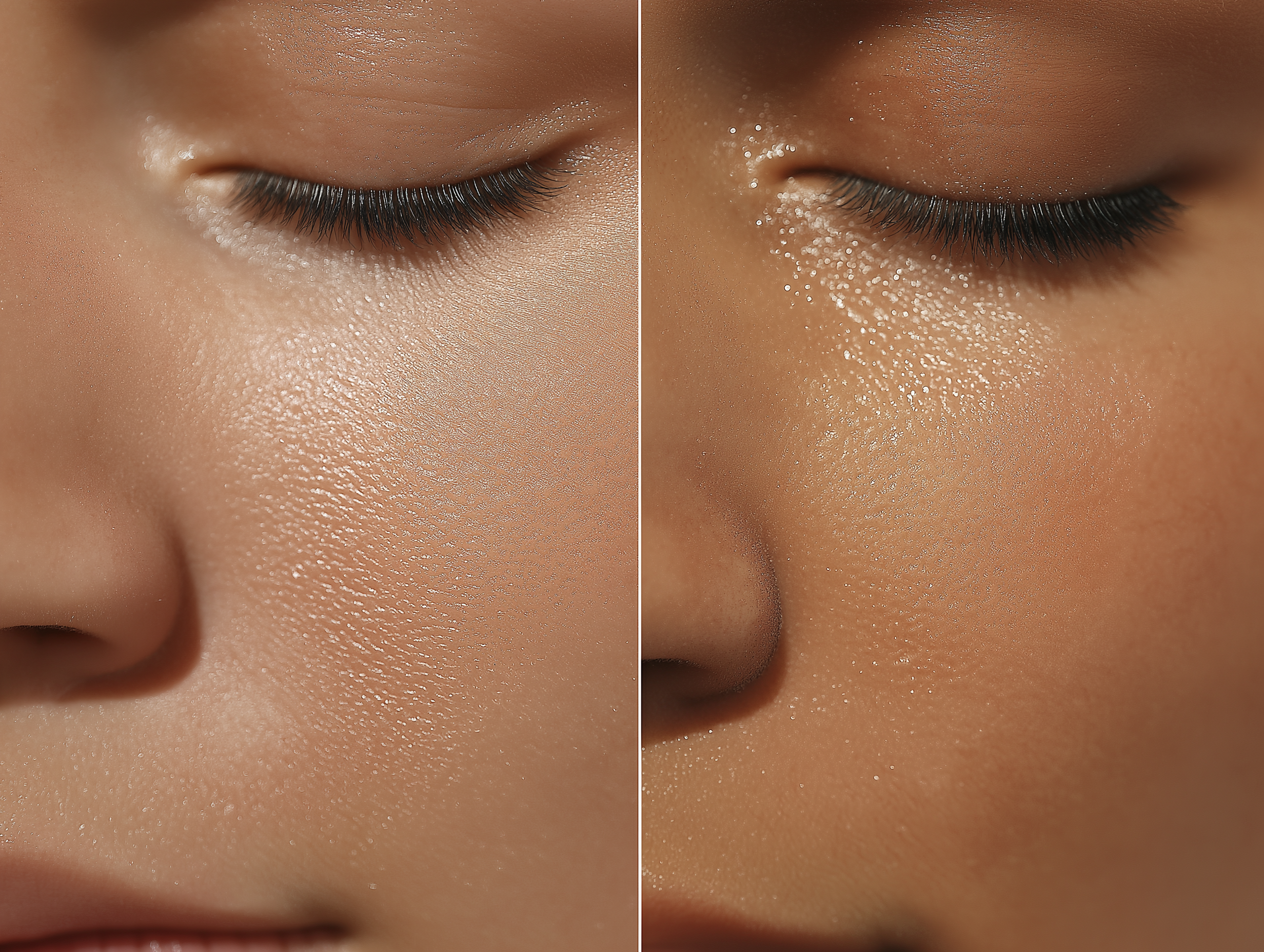
You just left a professional facial. Your skin feels amazing, looks radiant, and you are ready to enjoy the results. What you do over the next 48 hours — and the following weeks — directly affects how long those results last and how much value you get from your investment. Poor aftercare can undo a significant portion of what a good facial accomplished. Smart aftercare extends and amplifies the benefits.
This guide walks you through proven facial aftercare practices based on clinical experience, what products and treatments to avoid after a facial, how aftercare varies by facial type, and how to build aftercare into a long-term skin health strategy. It was written with input from Healing Skin Medical Aesthetics founder Dr. Cecilia Rusnak — an acupuncture physician and Doctor of Oncology Pain Management with over three decades of clinical experience.
Why Aftercare Matters More Than You Think
Most patients underestimate the importance of facial aftercare. A facial produces visible results, you leave the treatment room looking great, and it feels like the work is done. In reality, the facial triggers a cascade of processes in your skin that continue for 1 to 12 weeks depending on treatment type. What you do during that window determines whether those processes proceed optimally or get disrupted.
Consider a basic hydrating facial. The treatment exfoliates surface cells, deep-cleanses pores, and hydrates the skin. For 48 hours afterward, your skin is slightly more sensitive than usual because the protective outermost layer has been temporarily disrupted. Proper aftercare — gentle cleansing, simple moisturizer, SPF — allows this disruption to heal and the benefits to settle. Poor aftercare — aggressive exfoliation, strong retinoids, sun exposure — can cause irritation, inflammation, or compromised results.
For more intensive treatments like chemical peels, PRP facials, or microneedling, the stakes are higher. These treatments involve real tissue changes that require days to weeks of proper healing. Ignoring aftercare guidance can produce post-inflammatory hyperpigmentation, prolonged healing, uneven results, or in the worst case, infection or scarring.
The First 24 Hours: Critical Window
The first 24 hours after a facial are the most important. This is when your skin is most sensitive, when the benefits are still settling, and when mistakes have the biggest impact.
In the first 6 hours after your facial, leave your skin alone. Do not wash it. Do not apply any products beyond what your clinician applied. Do not touch it unnecessarily. If you had a hydrating or enzyme facial, this short window lets the products fully absorb. If you had a peel or microneedling, this is when the treatment solutions are still active on your skin.
Between 6 and 24 hours, you can gently cleanse with the product your clinician recommends (typically a gentle, non-foaming cleanser) and apply the moisturizer and SPF they provided or recommended. Keep cleansing minimal — once at night is enough for most patients. Avoid water temperature extremes (hot showers, cold plunges) that can irritate recovering skin.
Avoid exercise, saunas, steam rooms, and any activity that makes you sweat for the first 24 hours. Sweat on recently-treated skin can cause irritation, congestion, or (after peels or microneedling) infection risk through broken skin barriers. Swimming is also off-limits — pool chlorine and ocean salt are both problematic.
Do not apply makeup for at least 12 to 24 hours after a facial unless your clinician specifically clears it. Even if you normally have good makeup hygiene, applying product to sensitive post-treatment skin can cause reactions or contribute to breakouts. If you must wear makeup, use clean brushes and applicators and remove it thoroughly at the end of the day.
Sleep on your back if possible, and use a clean pillowcase. The combination of bacteria on pillowcases and the pressure of face-down sleeping on sensitive skin can undermine your results.
Days 2 Through 7: Building the Habit
During the first week after your facial, continue protective habits while gradually returning to your normal routine. This is where most aftercare mistakes happen — patients feel back to normal on day 2 or 3 and resume their full skincare regimen before their skin is ready.
Days 2 to 3: Continue gentle cleansing, simple moisturizer, and daily broad-spectrum SPF 30+ as your core routine. Avoid all active skincare — retinoids, vitamin C, glycolic acid, salicylic acid, benzoyl peroxide, and any exfoliating acids. Your skin is still healing and these ingredients can interrupt that process or cause irritation. The Dr. Rusnak Wellness product line includes gentle, hydrating products formulated specifically for post-treatment care that complement healing.
Days 4 to 5: Gentle cleansing, moisturizer, and SPF continue as core. You can reintroduce hyaluronic acid serum or niacinamide serum if you normally use them — these are supportive rather than active. Still avoid strong actives.
Days 6 to 7: Depending on treatment type and your skin’s response, you may gradually reintroduce actives. Start with one active at a time (not multiple simultaneously) and use at reduced frequency initially (2 to 3 times per week rather than daily). Watch for any irritation and back off if your skin reacts.
Throughout the first week, continue strict SPF use. Your skin is more UV-vulnerable during this window, and even brief unprotected exposure can cause pigmentation changes that undermine facial results. SPF 30 or higher, broad-spectrum, applied every morning and reapplied every 2 hours if you are outside.
Aftercare Variations by Facial Type
Different facial types require different aftercare approaches. The guidelines above cover general principles; here are specifics by treatment category.
Signature facial or hydrating facial: Lightest aftercare. 24 hours of gentle care, then return to normal routine. Makeup can resume after 24 hours. Resume full skincare including actives at day 3. Typical recovery: very brief.
Chemical peel (light to medium): More intensive aftercare. No exercise or sweating for 48 hours. Expect 3 to 7 days of peeling — do not pick or peel skin prematurely. No retinoids, vitamin C, or exfoliating acids until peeling is complete and skin has stabilized (typically 7 to 10 days). Strict SPF is especially critical — peeled skin is highly UV-sensitive.
PRP facial: Moderate aftercare. No washing or product application for 6 hours. No strenuous exercise for 24 hours. No active skincare for 72 hours. Expect mild pinkness and swelling for 24 to 48 hours. Pigment may be slightly heightened for a few days as collagen-building begins.
Collagen induction therapy (microneedling): Higher aftercare vigilance. Broken skin barrier requires careful infection prevention. No makeup for 24 to 48 hours. No swimming, hot tubs, or shared water for 72 hours. No active skincare for 5 to 7 days. Use medical-grade aftercare products to support healing.
LED mask treatment: Minimal aftercare. LED is non-invasive and requires no real recovery. Normal skincare and makeup can resume immediately. SPF remains important as always.
Radiofrequency treatments: Light aftercare. Skin may be slightly warm and pink for a few hours. Normal skincare can resume the next day. Avoid heat-generating activities (saunas, hot yoga) for 48 hours.
Products to Use and Products to Avoid
Here is a practical product guide for post-facial care.
Use: gentle non-foaming cleanser (like CeraVe Hydrating Cleanser or a medical-grade equivalent), hyaluronic acid serum (pure, without actives added), simple moisturizer with ceramides or peptides, broad-spectrum SPF 30+ mineral sunscreen (titanium dioxide or zinc oxide), and any specific products your clinician provided or recommended.
Avoid for the first 3 to 7 days: retinoids (retinol, tretinoin, adapalene), vitamin C at high concentrations (low-percentage vitamin C like 5% may be okay after day 3), glycolic acid and other AHAs, salicylic acid and other BHAs, benzoyl peroxide, aggressive scrubs or exfoliants, strong masks (especially clay or drying masks), DIY treatments like lemon juice or apple cider vinegar, and any product marketed as “brightening,” “clarifying,” or “exfoliating.”
Avoid permanently (in the aftercare context): irritating fragrances, alcohol-heavy toners or astringents, products with menthol or peppermint on recently-treated skin, scrubs with large abrasive particles, and any product that caused reactions before your facial — post-facial skin will be more reactive to anything your skin normally doesn’t tolerate.
The Dr. Rusnak Wellness line includes products specifically formulated for the post-facial recovery window. The BioPeptide Growth Factor Serum supports healing and collagen remodeling. The Needle-less Hyaluronic Serum provides deep hydration without irritation. The Scar Gel can be used on any isolated areas of concern. These are not strictly necessary, but for patients investing significantly in professional facials, matched clinical aftercare products maximize the return on that investment.
Lifestyle Factors That Affect Facial Results
Product choices are not the only factor in aftercare. Lifestyle affects how well your skin heals and how long results last.
Hydration internally matters as much as topically. Drink 2+ liters of water daily, especially in the first week after treatment. Dehydration slows healing, dulls skin, and reduces the glow that facial treatments produce.
Sleep supports skin healing. The body does most of its skin regeneration during deep sleep phases. Aim for 7 to 9 hours of consistent sleep in the first 2 weeks after a facial to allow your skin to optimally process the treatment benefits.
Alcohol intake is worth moderating. Alcohol dehydrates, dilates blood vessels (causing flushing), and stresses the liver’s detoxification function. Heavy drinking in the first week after a facial visibly reduces results, particularly for treatments aimed at brightness and tone.
Stress affects skin directly through cortisol. High stress during the healing window can manifest as breakouts, slowed healing, or reduced radiance. If you are going through a stressful period, consider timing aggressive facial treatments for calmer periods. Dr. Rusnak’s integrative background through her practice at AcuMedGroup Wellness Center emphasizes the whole-person connection between stress, wellness, and skin quality.
Diet supports skin from within. Emphasize whole foods, especially those rich in antioxidants (berries, leafy greens), healthy fats (fish, avocado, olive oil), and protein. Minimize processed foods, refined sugar, and excessive dairy during the healing window if you are prone to breakouts.
Warning Signs That Require Action
Most post-facial experiences involve normal, expected side effects that resolve in days. But certain signs require prompt attention from your clinician.
Normal and expected: mild redness for hours to days, tightness, gentle flaking, slight warmth, temporary sensitivity to products you normally use, minor breakouts (especially with deep-cleansing or extraction-heavy facials), and mild pinkness that improves over 24 to 72 hours.
Worth mentioning to your clinician: redness that is spreading or worsening beyond 48 hours, significant swelling that increases rather than decreases, painful or tender areas beyond normal sensitivity, unusual discharge or odor from the treated area, fever or systemic symptoms, any visible signs of infection (yellow discharge, red streaking, significantly increased pain), or results that look dramatically different from what was expected.
Your clinician wants to know about any concerns. Communicating promptly prevents small issues from becoming bigger problems. The National Library of Medicine has published clinical guidance on managing aesthetic treatment complications, and prompt action typically resolves most issues without lasting impact.
Building Long-Term Skin Health Around Facials
The most successful patients view aftercare not as a temporary inconvenience but as a consistent foundation for ongoing skin health. The habits that support good facial aftercare — daily SPF, gentle cleansing, thoughtful product choices, adequate hydration and sleep — are the same habits that produce excellent skin long-term, facial or no facial.
Patients who pair quarterly professional facials with consistent medical-grade at-home care typically see their skin maintain excellent quality through their 30s, 40s, and 50s in a way that neither approach alone can produce. Facials give you a clinical tune-up; consistent aftercare and daily routines give you the foundation that makes those tune-ups meaningful.
Dr. Rusnak often develops multi-year plans with patients that sequence different facial types at appropriate intervals (PRP in spring, light peels through summer, hydrating facials through winter, for example). This long-term view produces cumulative results that outperform any single treatment.
Booking Your Next Facial
If you are due for your next facial, have questions about your current aftercare routine, or want to design a longer-term skin health plan, Dr. Rusnak offers consultations at Healing Skin Medical Aesthetics. She reviews your current skin state, discusses any issues from recent treatments, and recommends a treatment schedule and aftercare routine tailored to your goals.
To schedule, call (689) 288-8011. Flexible financing through Cherry, Klarna, and Affirm is available at our financing page. Explore our full range of facial treatments on the facials page, or see related treatments like microdermabrasion and LED therapy for different approaches to skin rejuvenation.
The First 24 Hours of Facial Aftercare
Proper facial aftercare begins the moment you leave the clinic. For the first 24 hours, avoid touching your face, skip makeup, avoid strenuous exercise that triggers heavy sweating, and keep showers lukewarm. Your skin’s barrier is temporarily more permeable after a clinical facial, which is exactly why professional facial aftercare recommendations differ from your normal routine.
Days 2-7: Protecting and Amplifying Your Results
Effective facial aftercare during the first week means using gentle cleansers (no exfoliating acids, retinol, or scrubs), moisturizing frequently, drinking plenty of water, and applying SPF 30+ every single morning. Resume your regular skincare gradually — active ingredients can typically return after 5-7 days, though your esthetician will give specific guidance based on what treatment you received. For a comprehensive look at available treatments, see our medical facials page.
Continue Your Results at Home
Recommended take-home support from Dr. Rusnak’s physician-formulated skincare line. Shop the full collection on Dr. Rusnak Wellness →

Qi C+ Corrective Serum
A stabilized Vitamin C + peptide serum we recommend to clients receiving professional facial aftercare. It brightens post-inflammatory pigment, evens skin tone, and primes the dermis for collagen synthesis — apply each morning under SPF for compounding effect.

Calm Flow Water Cream
A lightweight gel-cream built for the reactive, dehydrated skin most clients experience after professional facial aftercare. Peptides and humectants calm flushing, rebuild the moisture barrier, and absorb without occluding — safe to layer over actives and SPF.

Healing Support SPF 40
Healing Support SPF 40 is the daily UV armor we send home with clients receiving professional facial aftercare. Broad-spectrum mineral SPF prevents pigment shift, post-inflammatory hyperpigmentation, and premature fading — apply every morning, reapply mid-day.