PRP Facial Benefits — 5 Honest Outcomes from Platelets
PRP facial benefits range from collagen stimulation to texture refinement — platelet-rich plasma uses your own growth factors to trigger the skin’s healing and regeneration. This guide covers what to expect during treatment, how recovery works, and what realistic results look like at 30, 60, and 90 days.
Platelet-rich plasma (PRP) facials have moved from celebrity-only treatments to mainstream medical aesthetics in the past decade. You have likely heard them called “vampire facials” in media coverage, or seen before-and-after photos of dramatic improvements in skin texture, tone, and radiance. But beyond the marketing, what does PRP actually do for your skin, and is it right for you?
This guide walks through what PRP facials actually do at a biological level, who benefits most, what results to realistically expect, how it compares to other rejuvenation treatments, and how to prepare for your first session. It was written with input from Healing Skin Medical Aesthetics founder Dr. Cecilia Rusnak — an acupuncture physician and Doctor of Oncology Pain Management with over three decades of clinical experience in medical aesthetics.
What PRP Actually Is and Does
The PRP facial benefits go far beyond what most patients expect from a non-surgical treatment. By using your own platelet-rich plasma, PRP therapy triggers natural collagen production, reduces signs of aging, improves skin texture, and delivers results that develop over weeks rather than being temporary. This guide covers the complete range of PRP facial benefits, what to expect, and how to determine whether this treatment is right for you.
Platelet-rich plasma is a concentrated form of your own blood plasma that contains 5 to 10 times the normal concentration of platelets. Platelets are fragments of cells that carry growth factors — signaling proteins that tell your body to heal, repair, and regenerate tissue. When concentrated PRP is delivered into your skin, these growth factors signal your skin cells to accelerate natural healing processes, stimulate new collagen production, and improve tissue quality.
PRP has been used in orthopedic medicine for decades to accelerate healing of ligament tears and joint injuries. Its use in aesthetic medicine emerged as clinicians observed the same regenerative benefits applied to skin when PRP was combined with microneedling to deliver the growth factors into the dermal layer. The result is a natural, biological approach to skin rejuvenation that uses your own cells to trigger improvements.
The clinical mechanisms include collagen stimulation (PDGF and TGF-beta growth factors signal fibroblasts to produce new collagen), angiogenesis (VEGF growth factor improves blood supply to skin), cellular turnover acceleration, improved hydration through better dermal matrix formation, and reduced inflammation in active skin conditions. Over the 8 to 12 weeks following a PRP facial session, these processes produce visible improvements in skin texture, tone, fine lines, and radiance.
The Specific Benefits Patients See
PRP facials produce improvements across several categories of skin concern. Not every patient experiences every benefit, but most see improvement in at least 3 or 4 of the following areas over a completed treatment series.
Texture improvement is typically the most dramatic and most consistent benefit. Skin becomes notably smoother, with refined pores, improved surface evenness, and reduced roughness. Patients who have struggled with textured skin from acne history, sun damage, or aging often see significant improvement from a series of 3 to 4 PRP sessions.
Fine line reduction is one of the most-reported benefits. Fine lines around the eyes, between the brows, around the mouth, and on the forehead often soften noticeably as new collagen fills the dermal layer. Deep dynamic wrinkles (from expression) may require neuromodulator treatments alongside PRP for optimal results, but fine etched lines respond well to PRP alone.
Radiance and overall skin quality improve in nearly all patients. Skin develops the “glow” that people associate with healthy, youthful skin — a quality of light reflection that comes from optimally hydrated, well-structured, cellularly-active skin. This is often the first visible benefit, appearing within 1 to 2 weeks after the first session.
Hyperpigmentation can improve modestly with PRP, though for significant pigmentation issues it is often combined with other treatments (chemical peels, targeted skincare). Acne scarring shows meaningful improvement over a series of sessions, particularly for shallow rolling scars where collagen remodeling can significantly reduce visibility.
Under-eye improvements — reduced darkness, improved skin quality in the thin tissue under the eyes — are a common benefit. PRP injections specifically around the eye area (sometimes called the “PRP eye treatment”) can address this concern with particular effectiveness.
The Session Experience
A PRP facial session at Healing Skin Medical Aesthetics runs 90 to 120 minutes depending on the treatment combination. Here is what to expect.
The session begins with consultation and skin assessment, where Dr. Rusnak reviews your goals, any medical history relevant to PRP (certain conditions make patients less ideal candidates), and confirms the treatment plan. A small blood draw follows — typically 10 to 20 milliliters, similar to a routine lab draw. Most patients tolerate this without issue; rare patients who are anxious about blood draws can discuss alternatives.
Your blood is processed in a centrifuge to separate the platelet-rich plasma from red blood cells and other components. This takes 10 to 15 minutes, during which you relax. The resulting PRP is typically a yellow-amber color — not the dramatic red of whole blood that media coverage sometimes suggests.
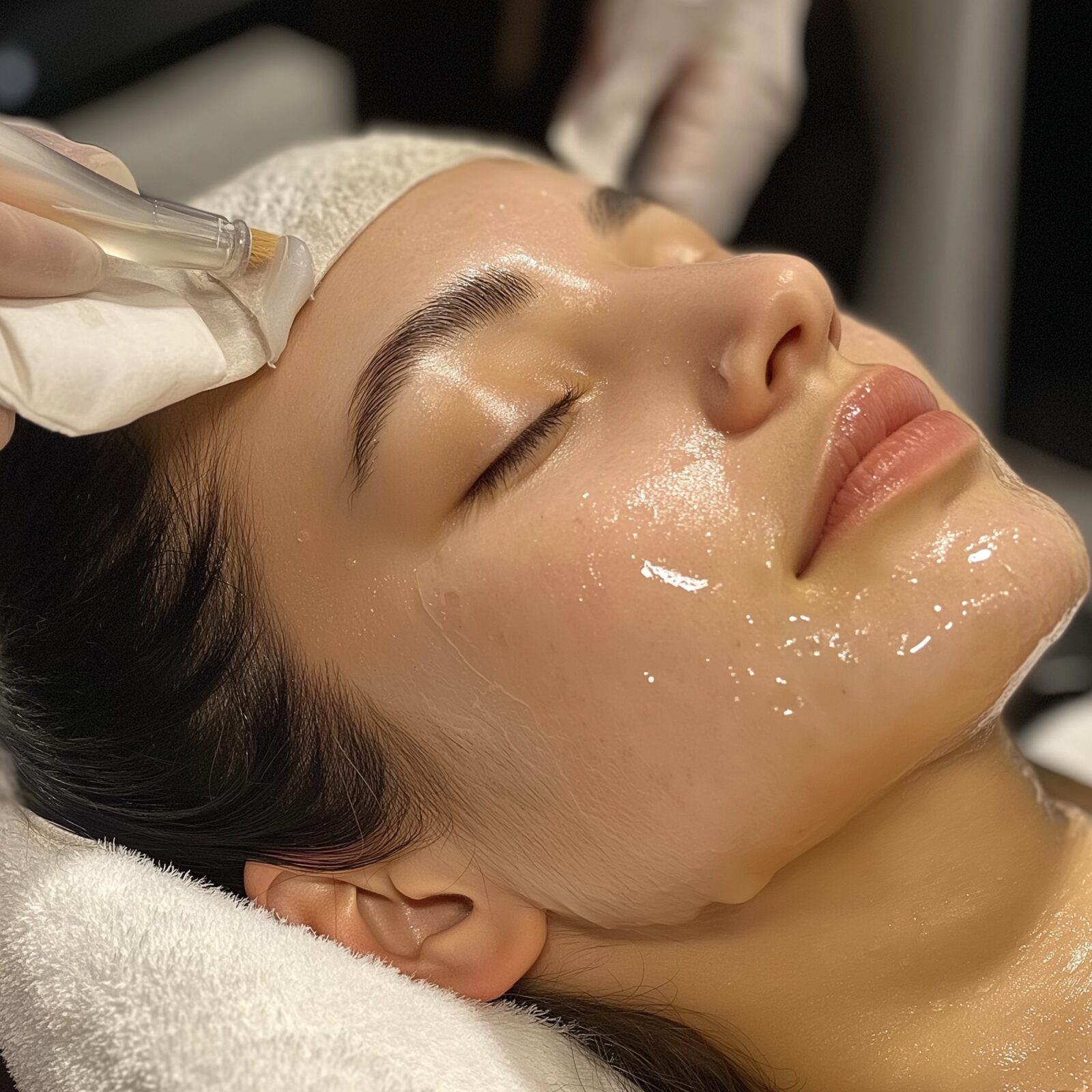
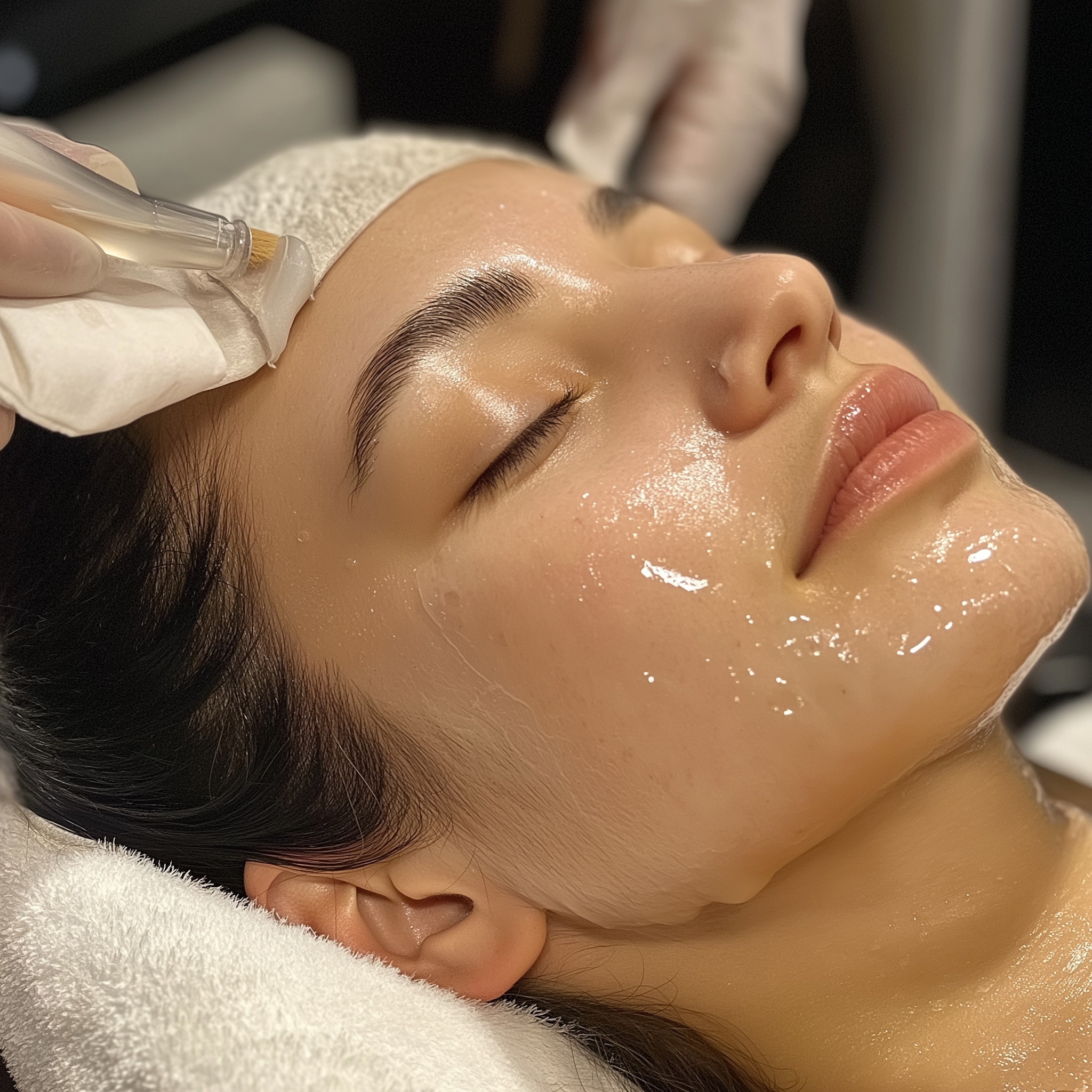
Topical numbing cream is applied to your skin and left for 15 to 20 minutes to take effect. This ensures comfort during the microneedling phase. Dr. Rusnak then applies your PRP to your skin and uses a medical-grade microneedling device to create controlled micro-channels that allow the growth factors to penetrate the dermal layer. The sensation is manageable — most patients describe mild pressure and occasional sensitivity in thinner skin areas.
After microneedling, additional PRP serum is applied to soothe the skin and optimize healing. Mineral SPF is applied before you leave. Total treatment time from blood draw to finish is typically 90 to 120 minutes.
See the full PRP Facial treatment page for complete session details and pricing.
Recovery and the Healing Window
PRP facial recovery is relatively quick but requires attention to maximize results. Understanding what to expect helps you plan treatment around your schedule.
Immediately after session: Skin appears pink, similar to mild sunburn. Some swelling in treated areas is normal and resolves within 24 to 48 hours. Do not touch, wash, or apply products to the treated skin for the first 6 hours after treatment to allow the PRP to fully absorb.
Days 1-2: Skin remains pink and may feel warm or tight. Use only gentle cleanser and the moisturizer Dr. Rusnak recommends. Avoid active skincare (retinoids, vitamin C, exfoliants) for at least 72 hours. Sleep on your back if possible to avoid pressing the treated area into a pillow.
Days 3-7: Pinkness softens and any micro-scabbing heals. Your skin may feel slightly rough before the new skin emerges. Continue gentle skincare and strict SPF 30+ use. Makeup can be reintroduced after day 3 if desired, using clean brushes or applicators.
Days 7-14: Initial improvement in glow and texture is visible. The healing response is fully engaged and collagen production is ramping up. Continue avoiding aggressive exfoliation or active skincare.
Weeks 2-12: Collagen building continues. Progressive improvement in texture, tone, fine lines, and radiance develops over 8 to 12 weeks after each session. The best results from each session peak around week 12 — patients who evaluate results at week 2 often underestimate what the treatment has produced.
Most patients complete a series of 3 to 4 PRP facials spaced 4 to 6 weeks apart, with maintenance sessions every 6 to 12 months. Results compound across a series — session 4 produces more dramatic cumulative improvement than session 1 alone.
Who Is a Good Candidate
PRP facials work well for a wide range of patients, but certain situations make someone an ideal candidate or a poor candidate.
The ideal candidate is an adult (typically 25+) with specific skin concerns that PRP addresses well: fine lines, texture issues, acne scarring, overall skin quality decline, dullness, or early signs of aging. Good general health, reasonable skincare compliance, and realistic expectations are all positive factors.
Contraindications include active infections at the treatment site, blood disorders affecting platelet function, certain autoimmune conditions, active chemotherapy, very low platelet counts, isotretinoin (Accutane) use within 6 months, pregnancy or breastfeeding, and uncontrolled diabetes. Dr. Rusnak reviews these carefully during consultation.
PRP works well for Fitzpatrick I-VI skin tones, unlike some laser treatments that have higher risks for darker skin. This makes PRP particularly valuable for patients with darker skin tones who want dramatic rejuvenation without laser-associated pigmentation risks. The National Library of Medicine has published multiple studies documenting PRP safety and efficacy across all skin tones.
How PRP Compares to Other Rejuvenation Treatments
PRP is one of several options for skin rejuvenation, and understanding comparisons helps you choose the right treatment for your goals.
Versus chemical peels: Peels work surface-down, exfoliating and triggering renewal from the outside. PRP works deep-up, stimulating collagen from the dermal layer. Both are effective; PRP addresses deeper structural concerns (fine lines, scars) more effectively, while peels address surface concerns (texture, tone, pigmentation) more effectively. Many patients combine both.
Versus collagen induction therapy (microneedling alone): CIT uses microneedling without PRP to trigger collagen production. PRP adds growth factors to amplify the response. PRP typically produces stronger, faster results but at higher cost. For patients on a budget or with mild concerns, CIT alone may be sufficient.
Versus radiofrequency treatments: RF uses heat energy to tighten skin and stimulate collagen. RF is particularly effective for skin laxity and firmness concerns. PRP is more effective for texture, scarring, and overall skin quality. They address different aspects of aging and are often used together in comprehensive plans.
Versus LED therapy: LED uses specific light wavelengths to stimulate cellular activity. It is gentler, less expensive, and requires no downtime, but produces more modest results than PRP. LED pairs well with PRP as a supporting treatment.
Versus dermal fillers: Fillers add volume to specific areas (cheeks, lips, nasolabial folds). PRP improves overall skin quality but does not add volume. For comprehensive facial rejuvenation, patients often combine fillers (for volume) with PRP (for skin quality).
How to Maximize Your Results
Several patient-side factors affect PRP results. Paying attention to these maximizes what your investment produces.
Hydration matters for the blood draw and for healing. Drink plenty of water in the 48 hours before your session and throughout the 2 weeks after — adequate hydration improves blood draw quality and supports tissue healing.
Medical-grade skincare supports the collagen-building window. Using high-quality products (peptides, hyaluronic acid, growth factors) during the 8 to 12 weeks after each session extends and amplifies your results. The Dr. Rusnak Wellness line includes products specifically formulated for post-PRP care.
SPF is non-negotiable. Your freshly-rejuvenated skin is more vulnerable to UV damage, and sun exposure in the weeks after treatment can undo significant portions of your result. Broad-spectrum SPF 30+ every morning, every day, year-round.
Avoid aggressive skincare treatments for at least 4 weeks between PRP sessions and after your final session. No chemical peels, no strong retinoids, no microdermabrasion during this window. Let the collagen-building process proceed without interference.
Discuss any new medications with Dr. Rusnak before your next session. Certain medications affect platelet function and can reduce PRP effectiveness. Blood thinners, high-dose NSAIDs, and certain antibiotics may require timing adjustments around treatment.
For patients considering PRP facials, the investment is best understood as part of a longer-term skin investment rather than a one-time purchase. The cumulative results from a 3-to-4 session series produce transformations that stack meaningfully over time, and maintenance sessions at 6-to-12 month intervals preserve and extend those results. Many patients who start with a specific concern (like fine lines or acne scarring) continue PRP long-term because the overall skin quality benefits are addictive in the best sense — once you see what your skin looks like with optimal collagen production and cellular activity, going back to baseline feels like regression.
Booking Your First PRP Facial
The best first step is a consultation where Dr. Rusnak reviews your medical history, examines your skin, discusses your specific concerns and goals, and determines whether PRP is the right treatment for you. For some patients, PRP is clearly the ideal choice; for others, a different treatment (or combination) serves better. An honest consultation prevents wasted investment on treatments that are not well-suited to your situation.
PRP facial pricing at Healing Skin Medical Aesthetics starts at $495 for single sessions, with series packages available at meaningful savings. Dr. Rusnak’s clinical background — a Doctorate in Oncology Pain Management from Pacific College of Health and Science, a Master of Science in Oriental Medicine, and over 15 years running her integrative wellness practice at AcuMedGroup Wellness Center — informs her approach to PRP. She treats it as a clinical procedure with proper sterile protocol, custom-designed treatment plans, and ongoing assessment of results.
Financing through Cherry, Klarna, and Affirm is available at our financing page to spread the investment over manageable monthly payments. To schedule your consultation, call (689) 288-8011. For context on related treatments, see our pages on signature facials, collagen induction therapy, and facial radiofrequency.
The Top PRP Facial Benefits You Can Expect
The PRP facial benefits patients most often notice include: reduced fine lines and wrinkles, firmer skin tone and texture, brighter complexion, faded acne scars, improved skin elasticity, and a natural radiance from improved cellular function. Because these PRP facial benefits develop gradually as your skin responds to growth factor signaling, results look natural rather than sudden.
How to Maximize Your PRP Facial Benefits
To maximize your PRP facial benefits, plan for a series of 3 sessions spaced 4-6 weeks apart rather than a single treatment. Combine PRP with microneedling for enhanced collagen response, support healing with LED therapy, and commit to daily SPF 30+ to protect the new collagen you build. For the full protocol, visit our PRP facial treatment page.
Continue Your Results at Home
Recommended take-home support from Dr. Rusnak’s physician-formulated skincare line. Shop the full collection on Dr. Rusnak Wellness →

Peptide Renewal Complex
Our most concentrated peptide serum, formulated for clients investing in PRP facial treatments. Drives dermal renewal, accelerates the healing response, and stretches the longevity of your in-clinic results — apply nightly to the entire treatment area.

Healing Support SPF 40
Healing Support SPF 40 is the daily UV armor we send home with clients receiving PRP facial treatments. Broad-spectrum mineral SPF prevents pigment shift, post-inflammatory hyperpigmentation, and premature fading — apply every morning, reapply mid-day.