
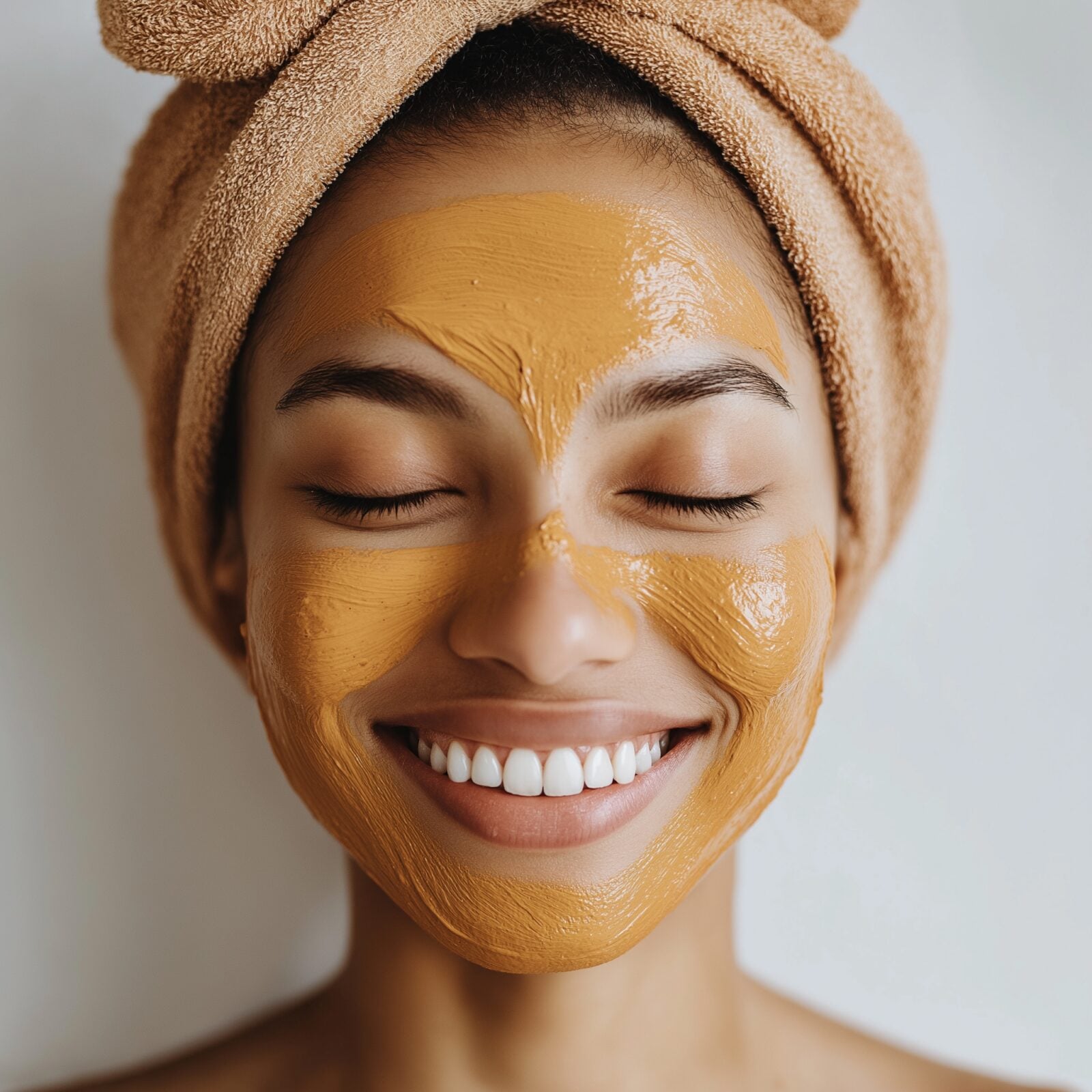
Professional Facial vs At Home — 5 Honest Differences
At-Home Skincare vs Professional Facials: What the Clinical Evidence Actually Shows
A transparent comparison of cost, active ingredient strength, and real timeline to results — from a doctor who works on both sides of the treatment table
By Dr. Cecilia Rusnak PhD, LME, DAc | Founder, Healing Skin Medical Aesthetics
Published 2026 | healing-skin.com/blog
The question I get asked constantly — in consultations, in training sessions, and in DMs — is whether a good at-home skincare routine can replace professional treatments. The honest answer is more nuanced than the marketing on either side would suggest.
Your daily skincare products and professional facial treatments are not in competition. They work on different mechanisms, reach different depths of the skin, and deliver different kinds of results. The practitioners who frame this as an either/or choice are usually selling you something.
What follows is a transparent breakdown of what each path can and cannot do, what it actually costs over a decade of consistent use, and the clinical framework I use when a patient asks me which should come first.
The Core Difference: Mechanism and Depth
When comparing at-home vs professional facials, many skincare enthusiasts wonder whether drugstore masks can deliver the same results as a clinical facial. The short answer: no. But understanding exactly why matters if you want to make informed decisions about your skincare budget and routine.
This guide breaks down the real differences between at-home vs professional facials — ingredient strength, technique, equipment access, and long-term outcomes — so you can decide when a DIY routine is enough and when a professional visit will deliver results at-home care cannot.
Understanding the distinction between at-home and professional care starts with understanding how each interacts with your skin.
At-home products work at the surface. Over-the-counter and even medical-grade home products are regulated to work on the outer layers of the skin — primarily the stratum corneum and upper epidermis. Active ingredient concentrations are capped by law, and for good reason. A glycolic acid product you can buy at a pharmacy maxes out around 10 percent; the same ingredient used in a clinical peel can be 30 percent, 50 percent, or higher.
Professional treatments work at depth. Clinical services reach layers of the skin that daily products cannot safely access. Medium-depth chemical peels, microneedling with platelet-rich plasma, and radiofrequency treatments all operate below the surface, stimulating collagen remodeling and cellular turnover at levels that topical products cannot replicate no matter how consistently you apply them.
This is not a matter of marketing. It is a matter of physics and regulation.
The 10-Year Investment Math
Before we discuss what each option does, let us look honestly at what each option costs. The numbers below reflect conservative market averages, not maximum luxury spending.
The at-home track ($17,000 over 10 years) assumes a committed medical-grade routine: cleanser, vitamin C serum, retinoid, moisturizer, and broad-spectrum SPF — all from reputable clinical brands. This is not drugstore skincare. This is a fully-built routine from professional brands like Dr. Rusnak Wellness or similar, averaging $140 to $170 per month.
The professional-only track ($25,000 over 10 years) assumes quarterly in-office treatments — four professional visits per year averaging $525 per session. This includes rotating between peels, microneedling, facials, and maintenance treatments.
The combined track ($42,000 over 10 years) is the approach I recommend to most of my patients who can sustain it. Daily medical-grade products PLUS quarterly professional care. It is not the cheapest option, but it produces measurably better outcomes than either path alone.
For context, this is roughly $4,200 per year or $350 per month when averaged. That is less than many people spend on gym memberships, coffee habits, or streaming subscriptions — for a visible, compounding investment in your skin.
Active Ingredient Strength: The Regulation Gap
Here is the data that settles most of the at-home versus professional debates. The active ingredient concentrations allowed in products you can purchase are substantially lower than the concentrations we use clinically.
The table above is worth sitting with for a moment. Your daily glycolic acid serum at 10 percent is a good maintenance tool — but it is between three and seven times weaker than what a practitioner can apply in a clinical setting. A salicylic acid product at 2 percent cannot do what a 15 to 30 percent BHA peel does in 20 minutes in my treatment room.
This is not a criticism of at-home products. The regulatory caps exist for legitimate safety reasons — higher concentrations applied incorrectly can cause chemical burns, scarring, and pigmentation damage. Clinical concentrations are safe specifically because they are being applied by trained practitioners who know how to neutralize, assess, and stop the treatment at the right moment.
Translation: there are concerns your at-home routine cannot address, regardless of how disciplined you are. This does not make your routine useless. It means it has a ceiling.
What At-Home Skincare Actually Does Well
The daily routine is not a consolation prize. It is the foundation that makes professional treatments work better. Here is what at-home skincare genuinely accomplishes when you commit to it:
Maintenance of professional results. A chemical peel or microneedling session produces real changes in the skin, but those changes require protection and support to persist. Daily SPF, antioxidants, and retinoids maintain the improvements your professional treatments create. Skip the home routine, and your professional investment degrades quickly.
Hydration and barrier health. Your skin barrier — the outermost protective layer — is maintained or damaged by what you apply daily. A compromised barrier looks dull, feels reactive, and responds poorly to everything from makeup to weather to professional treatments. Good daily moisturizing and gentle cleansing protect the barrier in ways that quarterly professional care cannot.
Sun protection. I cannot overstate this one. Daily broad-spectrum SPF prevents more damage than any professional treatment can reverse. A patient who commits to daily SPF for 10 years looks dramatically different at age 50 than a patient who relies on quarterly treatments without sun protection — even if the second patient spends more money on clinical care.
Consistent low-grade active ingredient exposure. Used daily, even capped concentrations of vitamin C, niacinamide, retinoids, and alpha hydroxy acids produce measurable improvements in tone, texture, fine lines, and pigmentation. The key word is daily. These ingredients work cumulatively over 8 to 12 weeks, not overnight.
Personalized adjustment. You control what goes on your skin every morning and night. A flare-up, a reaction, a change in weather — you can adjust immediately. Professional treatments happen at intervals and cannot respond to day-to-day skin changes.
What Professional Treatments Do That Products Cannot
Depth of active ingredient penetration. As shown above, the concentrations we use clinically cannot be safely replicated at home. This is how we address concerns like deep pigmentation, stubborn acne scarring, significant texture irregularity, and aging at the dermal level.
Mechanical intervention. Microneedling, dermaplaning, extraction, radiofrequency, and laser treatments involve physical or energy-based intervention that products cannot accomplish. These create controlled micro-injuries that trigger collagen remodeling and accelerated cellular turnover.
Clinical assessment and adjustment. A professional treatment begins with a trained practitioner looking at your skin under clinical conditions. We see things patients cannot see in their bathroom mirror — early pigmentation, vascular irregularities, texture patterns, underlying conditions. This assessment shapes what we do and what we recommend.
Cumulative depth work. A series of three to six professional treatments stacks results in a way daily products cannot. Each treatment builds on the cellular response triggered by the previous one. This is how we address major concerns that took decades to develop.
Downtime management and healing support. After aggressive professional treatments, we provide aftercare protocols, medical-grade post-treatment products, and direct monitoring during healing. Home users who attempt strong interventions on their own frequently damage their skin. Controlled professional treatment with proper aftercare is how significant results happen safely.
Where to Invest First: A Decision Framework
Patients ask me constantly, “Should I start with a professional treatment or build up my at-home routine first?” My answer depends on where they are starting from.
The framework is this: if your daily routine is not yet consistent and well-chosen, professional treatments are premature. You can have the most beautiful chemical peel in the world and lose every bit of its benefit by skipping SPF the next morning. The foundation has to be in place first.
Once your daily routine is established — SPF every morning, medical-grade actives being used consistently, skin barrier healthy — THEN professional treatments amplify your results dramatically. You are no longer starting from zero with every clinical visit. Each treatment builds on the work your daily routine is already doing.
The Treatments Worth the Investment
Not every professional treatment delivers the same value. Based on clinical outcomes I see at Healing Skin Medical Aesthetics, the highest-ROI professional services are:
Chemical peels (medium depth). TCA peels in the 15 to 25 percent range address pigmentation, texture, and fine lines at a depth products cannot reach. A series of three to four peels spaced four to six weeks apart produces results that remain visible for a year or more with proper maintenance. Read more about what to expect in our first chemical peel guide.
Microneedling with PRP (platelet-rich plasma). Controlled micro-injuries plus your own concentrated growth factors trigger significant collagen remodeling. Particularly effective for acne scarring, texture irregularity, and early aging. Our PRP facial guide walks through the protocol in detail.
Professional extractions during a proper medical facial. Done correctly by a trained practitioner, this addresses congestion and prevents scarring that picking or poor-quality facials create.
LED light therapy. Low-cost, high-value add-on treatment that supports healing and reduces inflammation. Often bundled with other services.
Dermaplaning. Mechanical exfoliation that removes dead cells and vellus hair, immediately brightening the skin and improving product absorption.
The Products Worth the Investment
For at-home, the categories that produce the most visible change over 10 years are, in order:
- Broad-spectrum SPF 30+ (daily, rain or shine). Non-negotiable. This single product does more than any other to preserve your skin over time.
- Retinoid (start at 0.25-0.5%, build tolerance over 6 months). The single most well-studied aging ingredient. If you use only one active, make it this.
- Vitamin C serum (15-20% L-ascorbic acid). Antioxidant protection + gradual brightening. Layer under SPF each morning.
- Gentle cleanser that respects the barrier. Not stripping, not foaming aggressively. The cleanser you use twice a day matters more than most people realize.
- Moisturizer matched to your skin type and climate. Barrier support is foundational.
Beyond these five, most additional products produce marginal returns. Simpler routines, consistently executed, outperform complex routines inconsistently executed.
The Honest Verdict
There is no universal answer to “at-home versus professional,” because the question itself is framed wrong. It is not a competition. It is a sequence.
Start with the foundation. Daily SPF, a good cleanser, a moisturizer, and one well-chosen active ingredient. Give this 8 to 12 weeks of consistent execution.
Then add professional treatments strategically. Quarterly clinical care addressing your most visible concerns — pigmentation, texture, scarring, early aging — amplifies the work your daily routine is already doing.
Maintain both indefinitely. The 10-year combined approach costs approximately $350 per month averaged, and produces measurably better outcomes than either path alone. For people whose skin matters to them professionally, personally, or medically, this is the investment that compounds.
The patients whose skin looks dramatically different over five, ten, and twenty years are the ones who treat skincare as an ongoing practice rather than a series of interventions. A good clinical practitioner supports that ongoing practice with the treatments, products, and guidance that a single YouTube tutorial or pharmacy aisle cannot replicate.
Ready to Build a Personalized Skin Investment Plan?
A consultation at Healing Skin Medical Aesthetics starts with a clinical assessment of your skin — the concerns you can see, the underlying patterns you cannot, and the realistic timeline for improvement based on your skin type and history. From there, we build a combined home-and-clinical protocol that matches your goals and your budget.
To schedule a skin consultation or learn more about our treatment options, call us at (689) 288-8011 during business hours. You can also book directly online at your convenience.
Frequently Asked Questions
How often should I get a professional facial?
Most patients do best with one professional treatment every 8 to 12 weeks — quarterly at minimum for maintenance, every 6-8 weeks during an active correction phase addressing specific concerns like pigmentation or scarring. Weekly or monthly professional treatments are rarely necessary and often counterproductive.
Can I replace a professional facial with a good at-home routine?
Partially. A disciplined daily routine addresses surface-level concerns, maintains skin health, and prevents new damage. It cannot replicate the depth or mechanism of professional treatments like medium-depth peels, microneedling, or radiofrequency. Think of them as complementary rather than interchangeable.
How much should I spend on skincare each month?
A quality at-home routine from medical-grade brands averages $140-170 per month. Adding quarterly professional treatments brings the total to approximately $350/month averaged over a year. Below that range, you may be under-investing in skin that matters to you; above it, you are likely spending on marginal improvements.
What is the single most important skincare product?
Broad-spectrum SPF 30+, applied every morning, rain or shine. No other product, professional treatment, or procedure prevents more skin damage than daily sun protection. If you do only one thing, make it this.
When should I start professional treatments?
Once your daily routine is consistent — meaning you have used SPF daily, applied your actives as directed, and given it at least 8-12 weeks to show results. Adding professional treatments before the foundation is in place wastes the investment in both.
How long until I see results from professional skincare?
A single professional facial produces visible improvement immediately — brighter tone, smoother texture, reduced congestion. Deeper results from peels, microneedling, or PRP require a series of 3-6 treatments spaced weeks apart, with full results visible 3-6 months after the series completes as collagen remodeling continues.
ABOUT THE AUTHOR

Dr. Cecilia Rusnak PhD, LME, DAc is the founder of Healing Skin Medical Aesthetics and Dr. Rusnak Academy. A state-licensed Acupuncture Physician holding a Doctorate in Oncology Pain Management from Pacific College of Health and Science and a Master of Science in Oriental Medicine from the Florida College of Integrative Medicine, Dr. Rusnak combines clinical depth with over three decades of aesthetic practice. She is the owner of AcuMedGroup Wellness Center, where her background in integrative medicine and skin physiology directly informs her approach to clinical skincare and paramedical treatment.
Dr. Rusnak is also the formulator behind the Dr. Rusnak Wellness skincare line, a professional-grade collection designed to support daily skin health and post-procedure healing.
DISCLAIMER
Pricing and timeline information in this article reflects market averages as of 2026. Individual results vary based on skin type, consistency of execution, and underlying health conditions. All professional treatments described require clinical assessment to determine candidacy and should not be attempted at home. This article is educational and does not constitute medical advice.
For evidence-based information on dermatologic skin care and professional treatments, the American Academy of Dermatology publishes patient education resources developed by board-certified dermatologists.
Understanding At-home vs professional facials in Depth
To fully appreciate at-home vs professional facials, it helps to understand the underlying principles and clinical context. The information above provides essential background, while consulting with a qualified professional ensures you receive guidance tailored to your specific situation.
Continue Your Results at Home
Recommended take-home support from Dr. Rusnak’s physician-formulated skincare line. Shop the full collection on Dr. Rusnak Wellness →

Qi C+ Corrective Serum
A stabilized Vitamin C + peptide serum we recommend to clients receiving a complete at-home + in-clinic facial routine. It brightens post-inflammatory pigment, evens skin tone, and primes the dermis for collagen synthesis — apply each morning under SPF for compounding effect.

Qi Lift Ageless Cream
A peptide-powered daily moisturizer that extends the firmness and lift achieved during a complete at-home + in-clinic facial routine. Replenishes ceramides, supports collagen retention, and visibly tightens — ideal for the days and weeks between in-clinic visits.

Healing Support SPF 40
Healing Support SPF 40 is the daily UV armor we send home with clients receiving a complete at-home + in-clinic facial routine. Broad-spectrum mineral SPF prevents pigment shift, post-inflammatory hyperpigmentation, and premature fading — apply every morning, reapply mid-day.