
The 7 Glycolic Acid Facial Benefits — and How AHA Compares to Other Peels
Glycolic acid facial benefits range from immediate brightening to long-term hyperpigmentation reduction. This guide covers the 7 proven outcomes, how glycolic compares to lactic acid, salicylic acid, and TCA peels, and which Fitzpatrick types respond best to each. For pricing and booking, see our Glycolic Acid Facial service page.
Benefits of Glycolic Acid Facials
Introduction
Are you looking to rejuvenate your skin and achieve a radiant glow? A glycolic acid facial might be the perfect solution for you. Known for its powerful exfoliating properties, glycolic acid can transform your skin, making it smoother and more youthful. At Healing Skin Medical Aesthetics, we specialize in providing professional glycolic acid facials tailored to your skin’s needs. Let’s explore the benefits and process of this remarkable treatment.
What is Glycolic Acid?
Chemical Composition and Origin
Glycolic acid is a type of alpha-hydroxy acid (AHA) derived from sugar cane. It is the smallest AHA, allowing it to penetrate the skin deeply and effectively. Its molecular structure makes it highly efficient in breaking down the bonds between dead skin cells, facilitating their removal.
How Glycolic Acid Works
Glycolic acid works by dissolving the intercellular glue that holds dead skin cells together on the surface of the skin. This process promotes exfoliation, revealing fresher, younger-looking skin underneath. It also stimulates collagen production, enhancing skin elasticity and firmness.
Benefits of Glycolic Acid Facials
Exfoliation and Skin Renewal
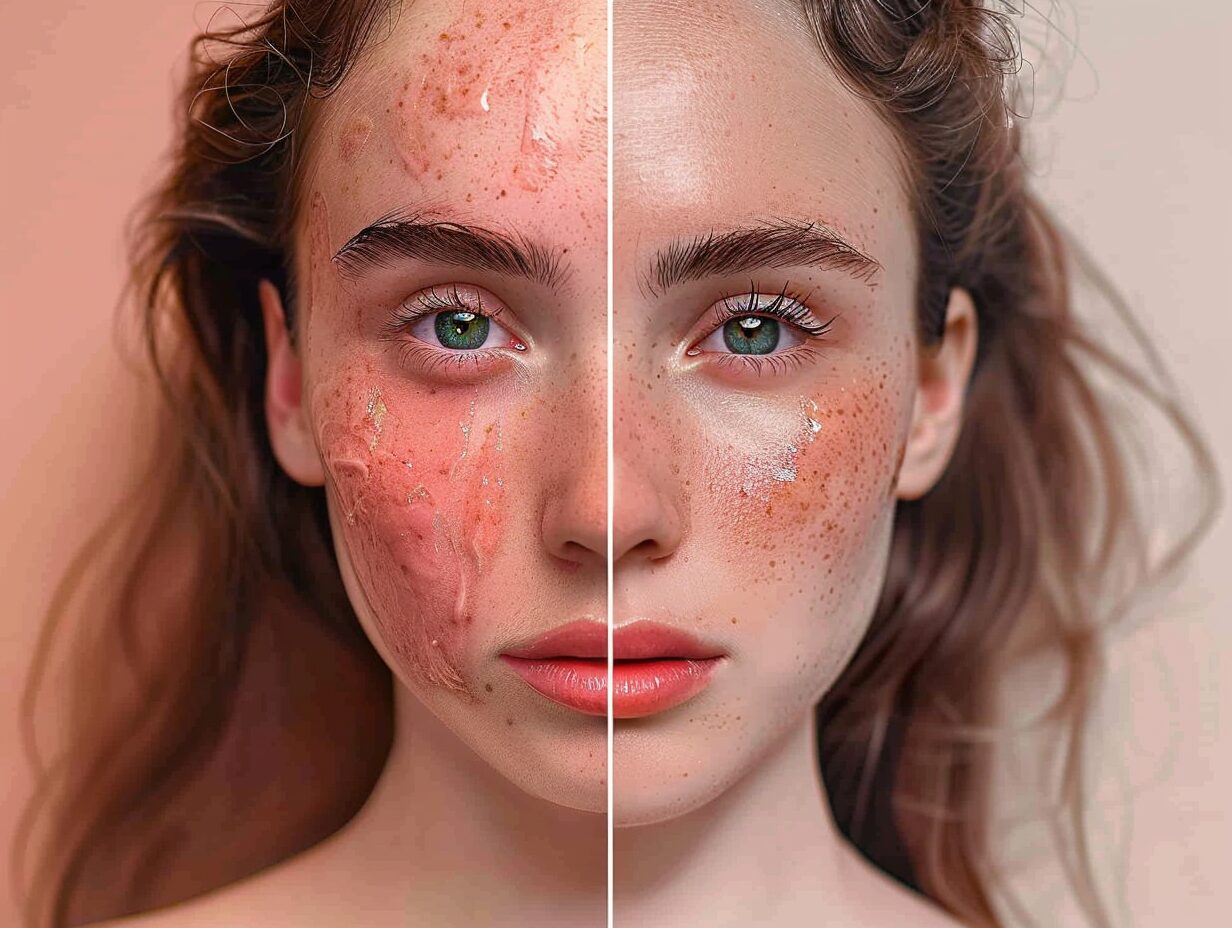
One of the primary benefit of glycolic acid facials is their ability to exfoliate the skin. By removing dead skin cells, glycolic acid facials help to unclog pores, reduce acne, and promote a brighter complexion. The skin renewal process also aids in the reduction of hyperpigmentation and dark spots.
Reduction of Fine Lines and Wrinkles
Glycolic acid facials are effective in diminishing the appearance of fine lines and wrinkles. By stimulating collagen production, these facials help to plump the skin and smooth out signs of aging, giving you a more youthful appearance.
Improvement in Skin Texture and Tone
Regular glycolics can significantly improve your skin’s texture and tone. They help to even out rough patches and reduce the visibility of scars, leaving your skin smooth and even-toned.
Who Should Consider glycolics?
Ideal Candidates
glycolics are suitable for most skin types, particularly those looking to address specific skin concerns such as acne, hyperpigmentation, or signs of aging. Individuals with sensitive skin should consult with a professional to ensure it’s the right choice for them.
Skin Types and Conditions
While glycolics are beneficial for many, they are particularly effective for individuals with oily or combination skin. They can help to control oil production and reduce the occurrence of acne breakouts.
The Science Behind Glycolic Acid
Mechanism of Action
Glycolic acid’s small molecular size allows it to penetrate the skin deeply, working on both the surface and underlying layers. This dual action promotes exfoliation and stimulates collagen production, leading to smoother, firmer skin.
Clinical Studies and Results
Numerous clinical studies have demonstrated the efficacy of glycolic acid in improving various skin conditions. Research shows that regular use of glycolic acid can lead to significant improvements in skin texture, tone, and overall appearance.
Glycolic Acid vs. Other Chemical Peels
Comparison with Other Acids
Compared to other chemical peels like salicylic acid or lactic acid, glycolic acid is more potent due to its smaller molecular size. This allows it to penetrate deeper into the skin, making it more effective for treating deeper skin issues.
Advantages of Glycolic Acid
Glycolic acid is known for its versatility and efficacy. It not only exfoliates the skin but also hydrates it, making it suitable for a variety of skin concerns. Its ability to stimulate collagen production sets it apart from other chemical peels.
What to Expect During a glycolic
Initial Consultation
Before your glycolic, you will have an initial consultation with one of our professional aestheticians. During this consultation, your skin type and concerns will be assessed to create a customized treatment plan.
The Facial Procedure
The glycolic begins with a thorough cleansing of your skin. The glycolic acid solution is then applied and left on for a specific duration, depending on your skin’s needs. After the treatment, a neutralizing solution is applied to restore your skin’s pH balance, followed by moisturizing and soothing products.
Post-Treatment Care
After the facial, it’s crucial to follow the post-treatment care instructions provided by your aesthetician. This typically includes avoiding sun exposure, using gentle skincare products, and keeping your skin hydrated.
Potential Side Effects of glycolics
Common Side Effects
Some common side effects of glycolics include redness, mild irritation, and temporary dryness. These effects are usually short-lived and subside within a few days.
Rare but Serious Side Effects
In rare cases, individuals may experience more severe reactions such as prolonged redness, peeling, or allergic reactions. It’s important to inform your aesthetician of any adverse effects immediately.
How to Prepare for a glycolic
Pre-Treatment Guidelines
To prepare for a glycolic, avoid using any exfoliating products or treatments at least a week before your appointment. This includes retinoids, scrubs, and other chemical peels.
What to Avoid Before glycolics
In the days leading up to your facial, avoid excessive sun exposure and refrain from waxing or using hair removal creams on your face. This helps to prevent irritation and ensures the best possible results.
Aftercare Tips for Optimal Results
Skincare Routine Post-Facial
Following your glycolic, it’s essential to adopt a gentle skincare routine. Use hydrating cleansers, moisturizers, and sunscreens to protect your skin and maintain its newly refreshed state.
Do’s and Don’ts After Treatment
Do keep your skin hydrated and protected from the sun. Don’t use harsh skincare products or undergo other facial treatments for at least a week after your glycolic to avoid irritation.
Personalized Care at Healing Skin Medical Aesthetics for glycolics
Role of Professional Aestheticians
At Healing Skin Medical Aesthetics, our professional aestheticians are dedicated to providing personalized care tailored to your skin’s unique needs. Their expertise ensures that you receive the best possible treatment and results.
Customized Treatment Plans
We understand that every individual’s skin is different. That’s why we offer customized treatment plans that address your specific skin concerns and goals, ensuring optimal results from your glycolic.
Success Stories
Client Testimonials
Our clients have experienced remarkable transformations with glycolics. Testimonials highlight improvements in skin texture, reduction in acne, and a more youthful appearance.
Real-Life Transformations
Take Sarah, for example. She struggled with acne and uneven skin tone for years. After a series of glycolics, her skin became clearer, smoother, and more radiant, boosting her confidence and self-esteem.
Cost and Packages for glycolics
Treatment Cost Breakdown
The cost of a glycolic can vary depending on the specific treatment plan and frequency of sessions. It’s best to consult with our aestheticians to get a detailed cost breakdown.
Available Packages and Discounts for glycolics
We offer various packages and discounts to make glycolics more accessible. Whether you’re looking for a single session or a series of treatments, we have options that fit your needs and budget.
Conclusion
glycolics are an excellent choice for those seeking to rejuvenate their skin and achieve a radiant complexion. At Healing Skin Medical Aesthetics, we are committed to providing personalized care and effective treatments to help you reach your skincare goals. Experience the transformative power of glycolics and enjoy the benefits of healthier, more youthful-looking skin.
Frequently Asked Questions
- How often should I get a glycolic?
For best results, it’s recommended to get a glycolic every 4-6 weeks. - Can I use glycolic acid products at home?
Yes, but professional treatments are more potent and tailored to your skin’s needs. - Is there any downtime after a glycolic?
Minimal downtime is usually required. You might experience mild redness, but it typically subsides within a day. - Can glycolics help with acne scars?
Yes, glycolics can improve the appearance of acne scars over time by promoting skin renewal. - Are glycolics safe for sensitive skin?
While generally safe, those with sensitive skin should consult with a professional to ensure it’s the right treatment.

What Happens During a glycolic
A glycolic uses controlled chemical exfoliation to remove dead skin cells, unclog pores, and stimulate cellular turnover. Glycolic acid — an alpha-hydroxy acid derived from sugar cane — has the smallest molecular size of the AHA family, which allows it to penetrate deeper than other exfoliants while remaining gentle enough for regular clinical use.
Benefits of a Professional glycolic
A professional glycolic delivers benefits at-home products cannot match. The clinical-grade concentration (typically 20-70%) is significantly stronger than drugstore options (5-10%), and a trained esthetician applies the peel at the correct depth for your skin type and concern. Results include smoother texture, brighter complexion, reduced fine lines, faded post-acne marks, and clearer pores.
Combining Glycolic Acid with Other Treatments
The glycolic pairs beautifully with other clinical services. Many patients alternate glycolic peels with microdermabrasion for compounding exfoliation benefits, combine with LED mask therapy to calm post-peel inflammation, or follow with a PRP facial for maximum collagen stimulation. For a full overview, visit our medical facials page.
Who Should Get a glycolic
A glycolic is ideal for clients with dullness, uneven texture, mild acne, post-inflammatory hyperpigmentation, or early signs of aging. It is less appropriate during active acne breakouts, rosacea flares, pregnancy, or while using retinoids. For evidence-based guidance on chemical exfoliation, the American Academy of Dermatology publishes peer-reviewed resources.
Continue Your Results at Home
Recommended take-home support from Dr. Rusnak’s physician-formulated skincare line. Shop the full collection on Dr. Rusnak Wellness →

Qi C+ Corrective Serum
A stabilized Vitamin C + peptide serum we recommend to clients receiving glycolic acid facials. It brightens post-inflammatory pigment, evens skin tone, and primes the dermis for collagen synthesis — apply each morning under SPF for compounding effect.

Calm Flow Water Cream
A lightweight gel-cream built for the reactive, dehydrated skin most clients experience after glycolic acid facials. Peptides and humectants calm flushing, rebuild the moisture barrier, and absorb without occluding — safe to layer over actives and SPF.

Healing Support SPF 40
Healing Support SPF 40 is the daily UV armor we send home with clients receiving glycolic acid facials. Broad-spectrum mineral SPF prevents pigment shift, post-inflammatory hyperpigmentation, and premature fading — apply every morning, reapply mid-day.