

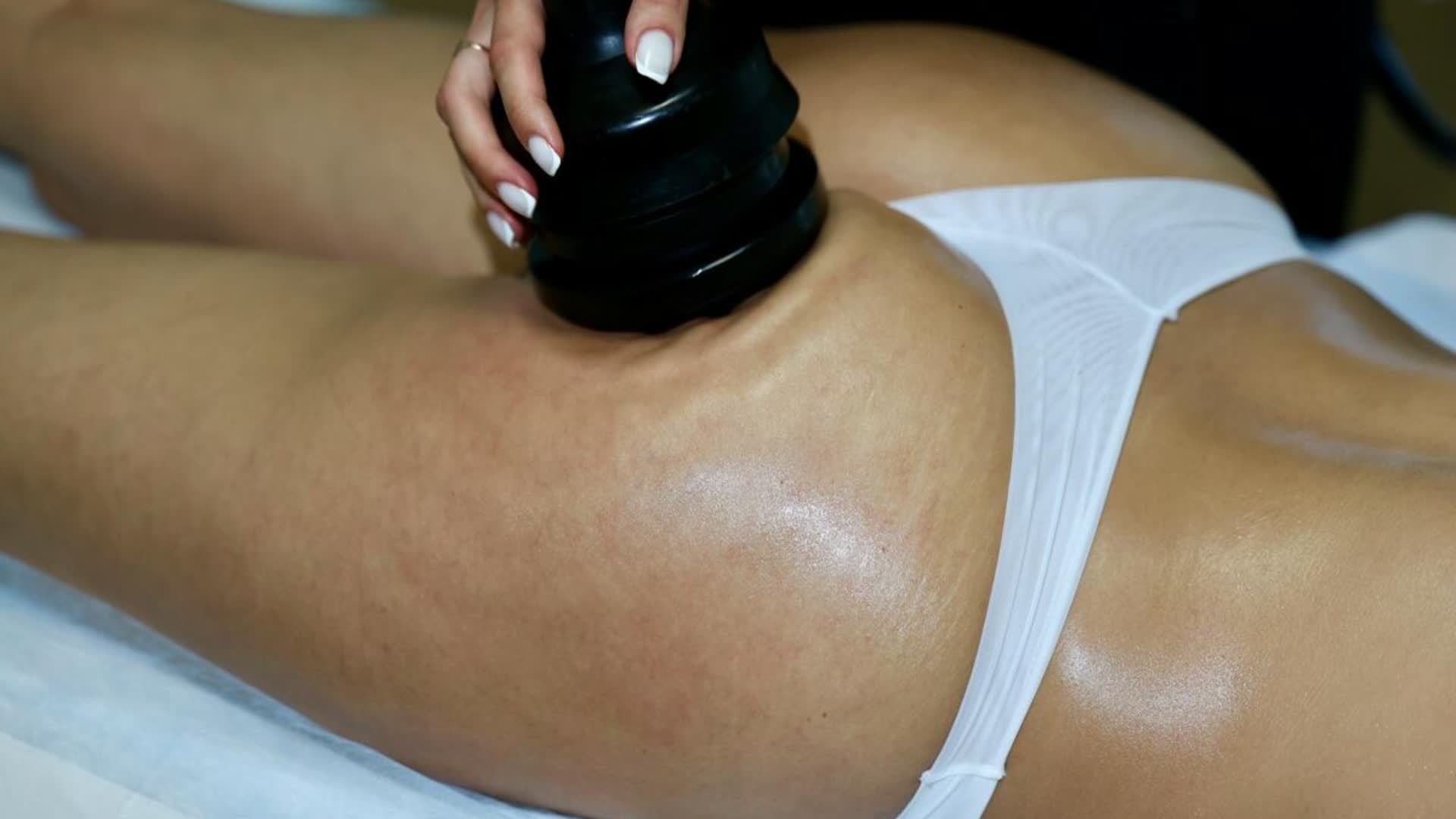
The Body Goals program
Body Goals at Healing Skin.
Medically guided body contouring, skin tightening and recovery, designed around your body, your history and your goals.
A program, not a single treatment
Six areas of care, one plan.
Every plan is customised to your goals, medical history, skin quality, lifestyle and areas of concern. Results vary with consistency, hydration, inflammation and treatment frequency.
Body contouring and fat reduction
Radiofrequency skin tightening, ultrasound cavitation, vacuum therapy, wood therapy, lymphatic drainage and post-operative contouring support.
Skin tightening and texture
Collagen stimulation, stretch mark and scar revision, tightening for loose or crepey skin, texture refinement after weight loss, cellulite reduction.
Wellness and medical weight support
Medical weight loss consultations, peptide support where appropriate, nutritional guidance, inflammation protocols and coaching.
Post-surgical recovery
Fibrosis reduction, manual therapy after liposuction, lymphatic drainage massage, scar tissue management, post-BBL and tummy tuck support.
Advanced integrative therapies
Infrared therapy, acupuncture for weight loss and inflammation through AcuMedGroup, compression recommendations, circulation support.
Areas commonly treated
Abdomen, waist and flanks, arms, inner and outer thighs, buttocks, back, chin and jawline, post-surgical areas, stretch marks and scars.
Ideal candidates
Who the program is for.
- Postpartum and post-weight-loss clients
- Post-surgical patients
- Loose skin, cellulite, inflammation or fluid retention
- Anyone wanting non-invasive, medically guided body sculpting
The consultation includes a customised assessment, body analysis, treatment recommendations, home-care guidance and a realistic timeline.
Continue your results at home
Take-home support from Dr. Rusnak Wellness.
Physician-formulated skincare and aftercare from Dr. Rusnak’s own line, chosen for this procedure.

Anti-Aging Body Moisturizer with Retinol
A retinol-driven body cream that picks up where body contouring and skin-tightening sessions leave off. It firms, smooths, and reinforces collagen turnover on stretch marks, slack skin, and treated body zones — use nightly to extend your in-clinic results.

Scar Repair Silicone Gel
Medical-grade silicone is the gold standard for protecting freshly treated tissue. Used twice daily after body contouring and skin-tightening sessions, it keeps the area hydrated, softens texture, reduces redness, and locks in your results during the critical settling weeks.

Healing Support SPF 40
Healing Support SPF 40 is the daily UV armor we send home with clients receiving body contouring and skin-tightening sessions. Broad-spectrum mineral SPF prevents pigment shift, post-inflammatory hyperpigmentation, and premature fading — apply every morning, reapply mid-day.
Begin
Start with a consultation.
Every Body Goals plan begins with a customised assessment.
1107 Person Street, Kissimmee, Florida 34741 · (689) 288-8011 · info@healing-skin.com
Further reading: HIFEM Technology Mechanism: How Supramaximal Contractions Reshape Muscle